
Leave Your Message
Purpose-built devices delivering sub-10cm accuracy across complex manufacturing environments.
Global manufacturers are racing to deploy real-time location systems (RTLS) as Industry 4.0 and smart factory mandates accelerate digital transformation on the shop floor.
The modern industrial facility is no longer just a place where things are built — it is a data-generating ecosystem. As factories grow in scale and complexity, the inability to precisely locate workers, tools, vehicles, and work-in-progress (WIP) components in real time creates cascading inefficiencies: delayed shipments, misplaced assets, safety incidents, and opaque production bottlenecks.
Traditional approaches — barcode scanning, manual logging, RFID checkpoints — offer only intermittent snapshots of asset location. They cannot tell you where a critical jig is right now, which assembly station is creating a backlog, or whether a forklift is dangerously close to a pedestrian corridor. That is exactly where best-in-class indoor positioning systems (IPS) step in.
💡 Industry analysts estimate that manufacturers lose 3–8% of annual revenue to inefficiencies directly attributable to poor asset visibility and manual WIP tracking. Deploying an advanced IPS can recover the majority of those losses within 12–18 months.
Indoor positioning has evolved through several generations. Early Wi-Fi fingerprinting systems offered room-level accuracy of 3–5 meters — adequate for office navigation but wholly insufficient for manufacturing. Bluetooth Low Energy (BLE) beacons improved this to 1–3 meters. Today, Ultra-Wideband (UWB) technology represents the gold standard, delivering sub-10 centimeter accuracy with sub-millisecond latency — the precision required for automated assembly lines, robotic coexistence, and tightly sequenced WIP workflows.
UWB achieves this by transmitting extremely short radio pulses across a wide frequency spectrum (typically 3.1–10.6 GHz). Time-of-Flight (ToF) and Time-Difference-of-Arrival (TDoA) algorithms calculate distances with extraordinary precision, while the wide bandwidth makes the signal inherently resistant to multipath interference — a critical advantage in metal-rich factory environments filled with machinery, shelving, and structural steel.
Work-in-Progress tracking is one of the highest-value applications of indoor positioning in manufacturing. In discrete manufacturing — automotive, electronics, aerospace, heavy machinery — WIP components move through dozens of stations, each with precise timing requirements. A single misrouted part or an undetected bottleneck can halt an entire production line.
With a UWB-based IPS, every WIP carrier, pallet, bin, and assembly fixture is tagged. The system continuously reports:
The result is a living, breathing digital twin of the production floor — one that enables both real-time intervention and long-term process optimization through data analytics.
Several converging trends are accelerating the adoption of advanced IPS in industrial settings:
eforthink Technology relies on its self-developed UWB positioning technology to overcome multipath and non-line-of-sight influences in complex environments, achieving positioning accuracy better than 10 cm.
In the demanding context of industrial manufacturing and WIP tracking, where metal structures, moving machinery, and dense RF environments are the norm, UWB's physical-layer advantages are not incremental — they are transformative.
View More 🎯
10cm Accuracy — UWB-Powered Positioning Core for precise WIP location on the factory floor

Sub-millisecond transmission of positioning data for instant production floor awareness

Single positioning base station can carry over 1,000 tags — scales with your entire WIP inventory

Unaffected by multipath reflection and other radio interference factors in metal-heavy factories

Intelligent power-saving algorithm reduces tag power consumption by 25% — extending battery life
Ceiling and wall-mount options with PoE support enable rapid, scalable rollout across any facility
From automotive assembly to pharmaceutical production, indoor positioning systems are reshaping how factories operate at every level of the value chain.
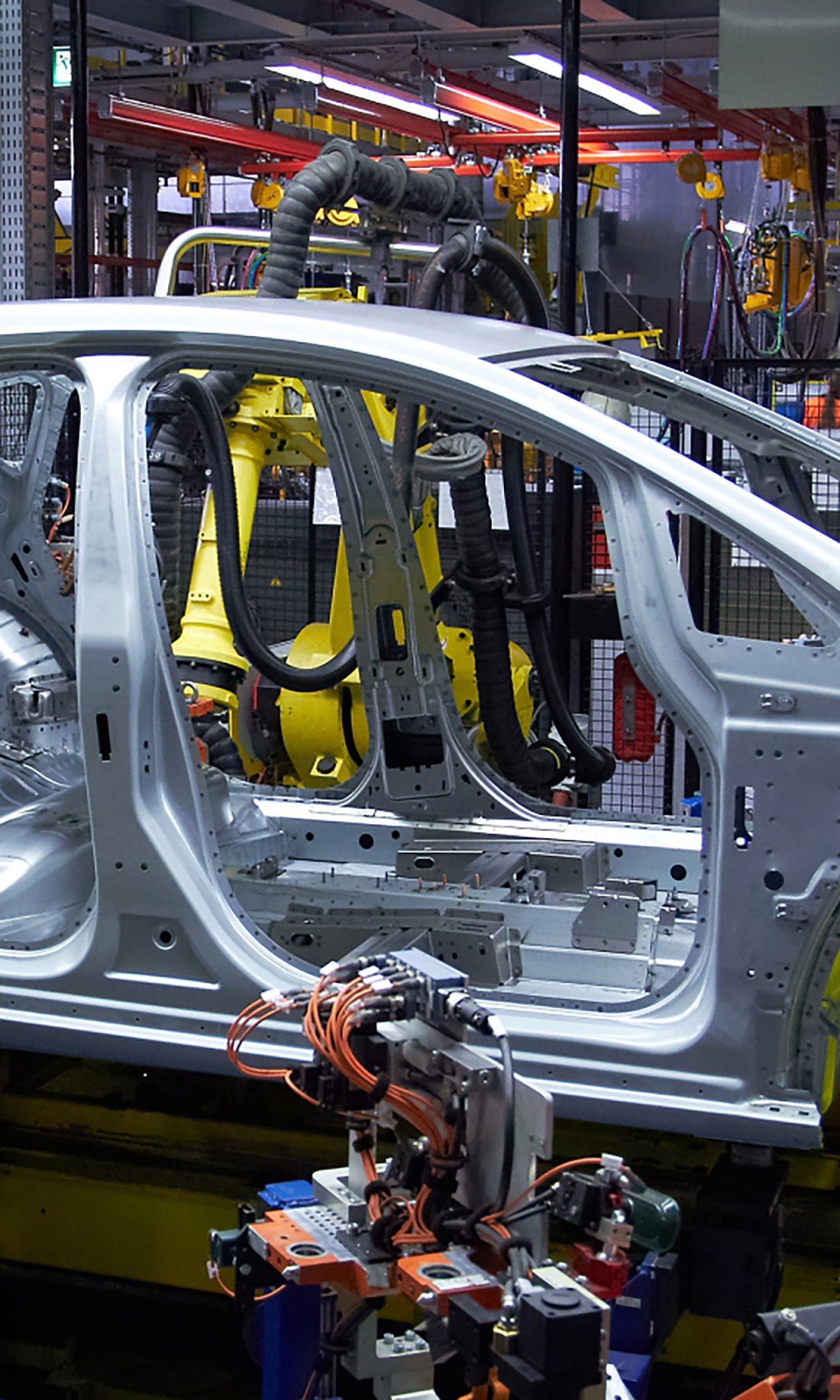
In automotive plants, thousands of components must arrive at the right station in the right sequence. UWB tags on body carriers, sub-assemblies, and tooling enable real-time sequence verification, automated kitting confirmation, and instant deviation alerts — eliminating the costly line stoppages caused by missing or misrouted parts.
Positioning beacons and tags eliminate the need for manual cycle counts. Inventory locations update automatically as items move, providing perpetual inventory accuracy exceeding 99.5%. Picking routes are optimized in real time, reducing labor costs and order fulfillment times by up to 30%.
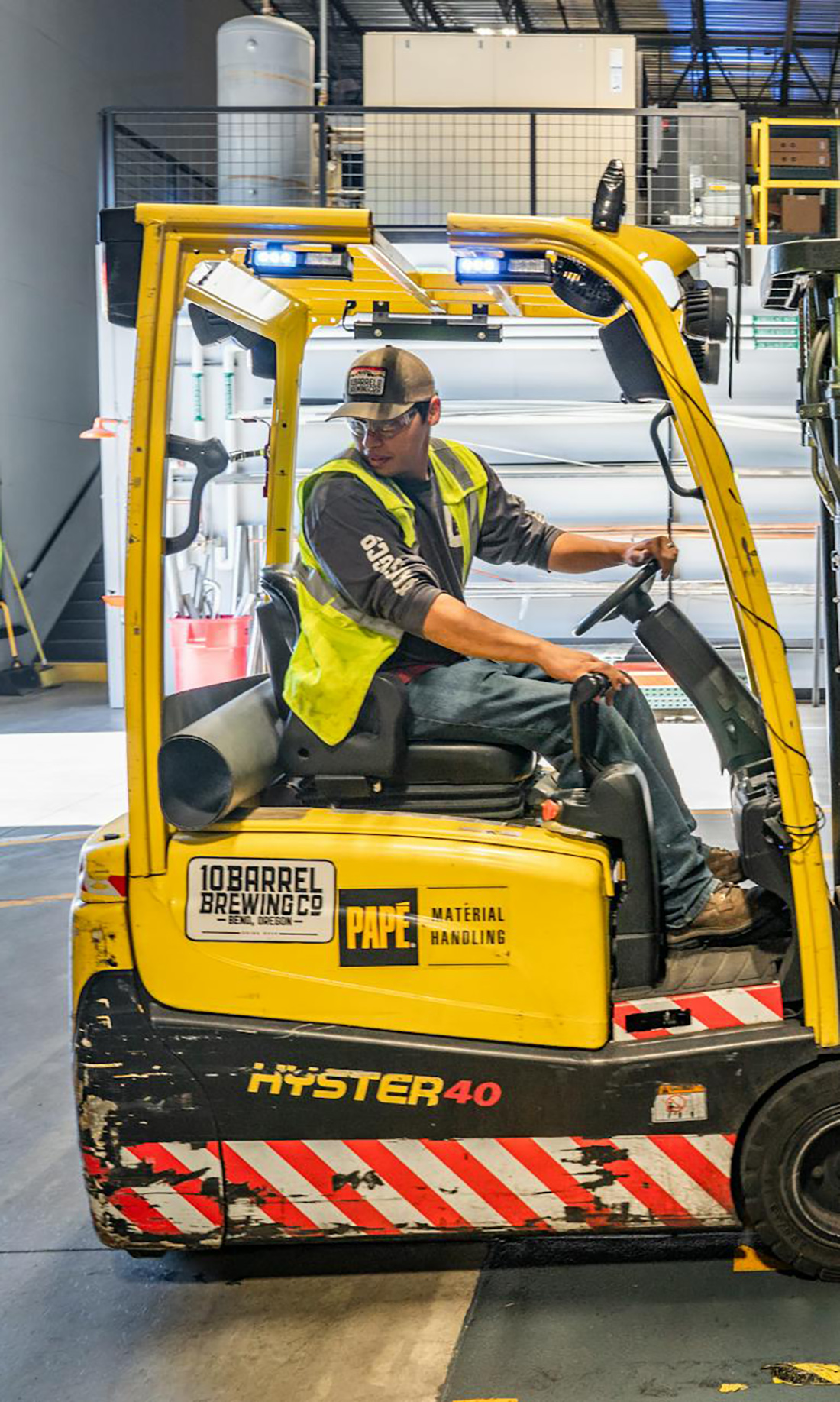
UWB-equipped forklifts and pedestrian wristbands create dynamic proximity zones. When a forklift approaches a worker within a configurable distance (e.g., 3 meters), both the forklift operator and the worker receive immediate audio-visual alerts. Speed restrictions can be automatically enforced in designated zones, reducing workplace collisions by over 90%.
High-value tooling — torque wrenches, calibrated gauges, specialized fixtures — is notoriously difficult to manage in large facilities. Positioning tags enable instant location lookup via a web dashboard, automated check-out/check-in workflows, and maintenance scheduling based on actual usage data rather than fixed intervals.
By analyzing the dwell time and movement patterns of WIP items across all stations, IPS platforms generate actionable insights: which stations are consistently overloaded, where idle time accumulates, and how layout changes would impact throughput. This data-driven approach has delivered 15–25% productivity improvements in documented deployments.
In petrochemical, mining, and heavy industry settings, explosion-proof positioning tags and beacons track personnel in real time. Geofencing enforces access control to restricted zones, lone-worker monitoring detects falls or prolonged immobility, and emergency mustering systems provide instant headcounts during evacuation scenarios.
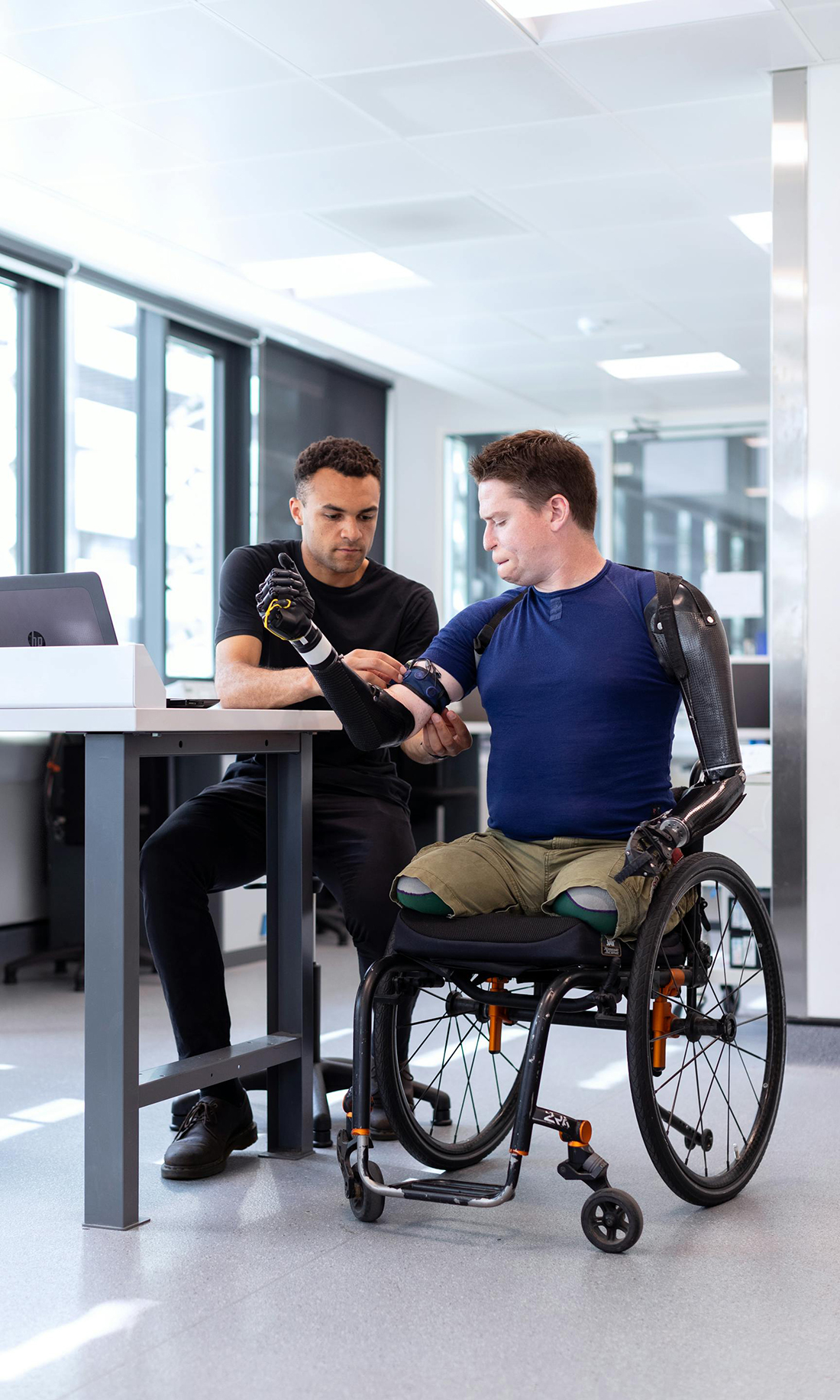
Hospitals and medical device manufacturers use UWB positioning to track high-value equipment (infusion pumps, ventilators, surgical instruments) and monitor patient/staff locations in real time. This reduces equipment search time, improves asset utilization, and enhances patient safety protocols.
As autonomous mobile robots proliferate on factory floors, UWB-based positioning enables real-time spatial coordination between robots and human workers. Dynamic safety envelopes expand and contract based on proximity data, ensuring smooth coexistence without sacrificing throughput or safety margins.
End-to-end industrial positioning solutions — from hardware to platform to system integration — designed to solve your most complex manufacturing challenges.

Reduces search time for misplaced assets by 70%+ and minimizes workflow bottlenecks across the entire production floor.
Read More
Lowers workplace collisions by 90%+ in high-traffic areas like warehouses and assembly lines with real-time proximity alerts.
Read More
Eliminates tracking blind spots, ensuring 24/7 asset visibility across hybrid indoor-outdoor manufacturing environments.
Read More
Boosts productivity by 15–25% through data-driven workflow redesign and real-time production floor intelligence.
Read MoreThe next generation of IPS will be smarter, more connected, and more deeply integrated with the broader industrial IoT ecosystem.
Machine learning algorithms will analyze historical positioning data to predict production bottlenecks 2–4 hours in advance, enabling proactive intervention before delays cascade downstream.
Private 5G networks will provide high-bandwidth backhaul for dense UWB deployments, enabling seamless positioning coverage across multi-building campuses and outdoor yard management areas.
Real-time positioning feeds will continuously synchronize with 3D digital twin models, creating a living replica of the factory that enables simulation-based optimization without production disruption.
Next-generation base stations will perform location computation onboard, delivering sub-10ms end-to-end latency while dramatically reducing network bandwidth requirements.
Positioning wristbands and ID cards will incorporate biometric sensors, enabling simultaneous tracking of location, fatigue level, and health status for comprehensive worker safety management.
UWB positioning will become the spatial awareness backbone for autonomous mobile robot fleets, enabling dynamic path planning that adapts in real time to human worker movements.
A national high-tech enterprise specializing in location services in the field of the Internet of Things, the company is based on location information services, links to the Internet of Things smart ecosystem.
 UWB Tags
 UWB Anchors
 UWB Modules
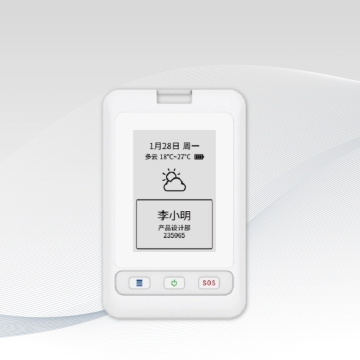
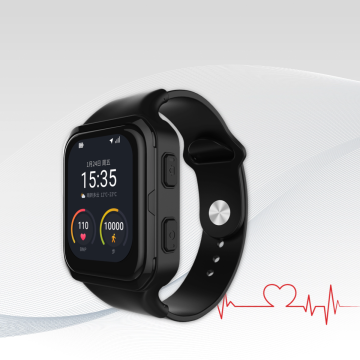
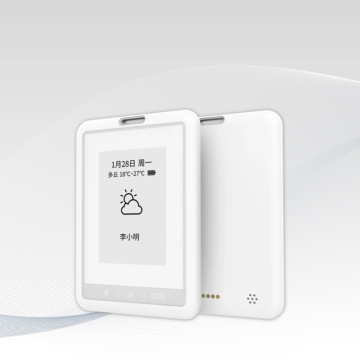


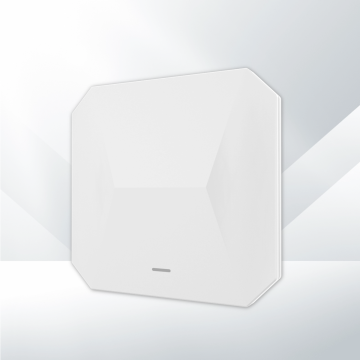
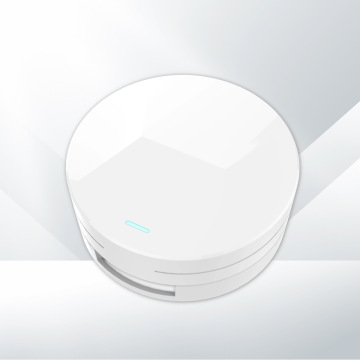
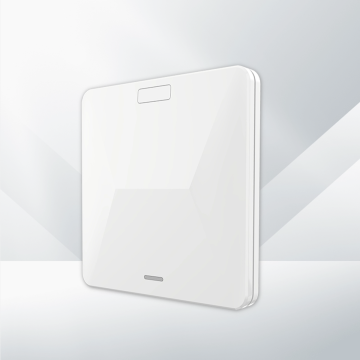
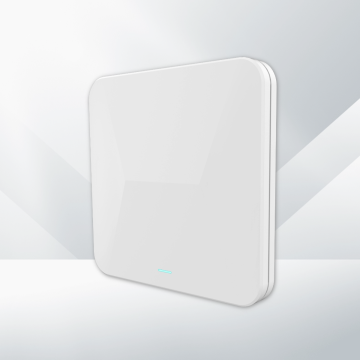

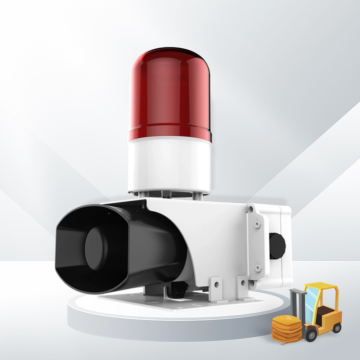
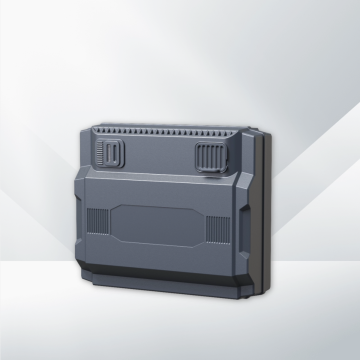
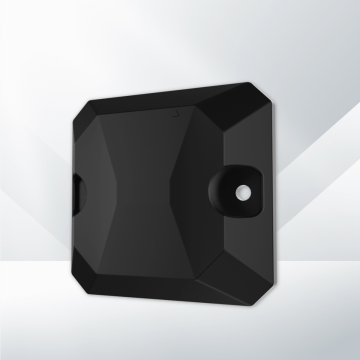
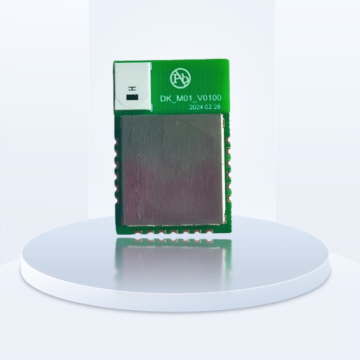
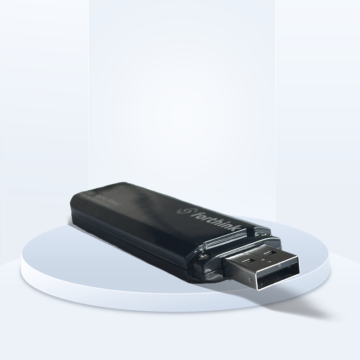
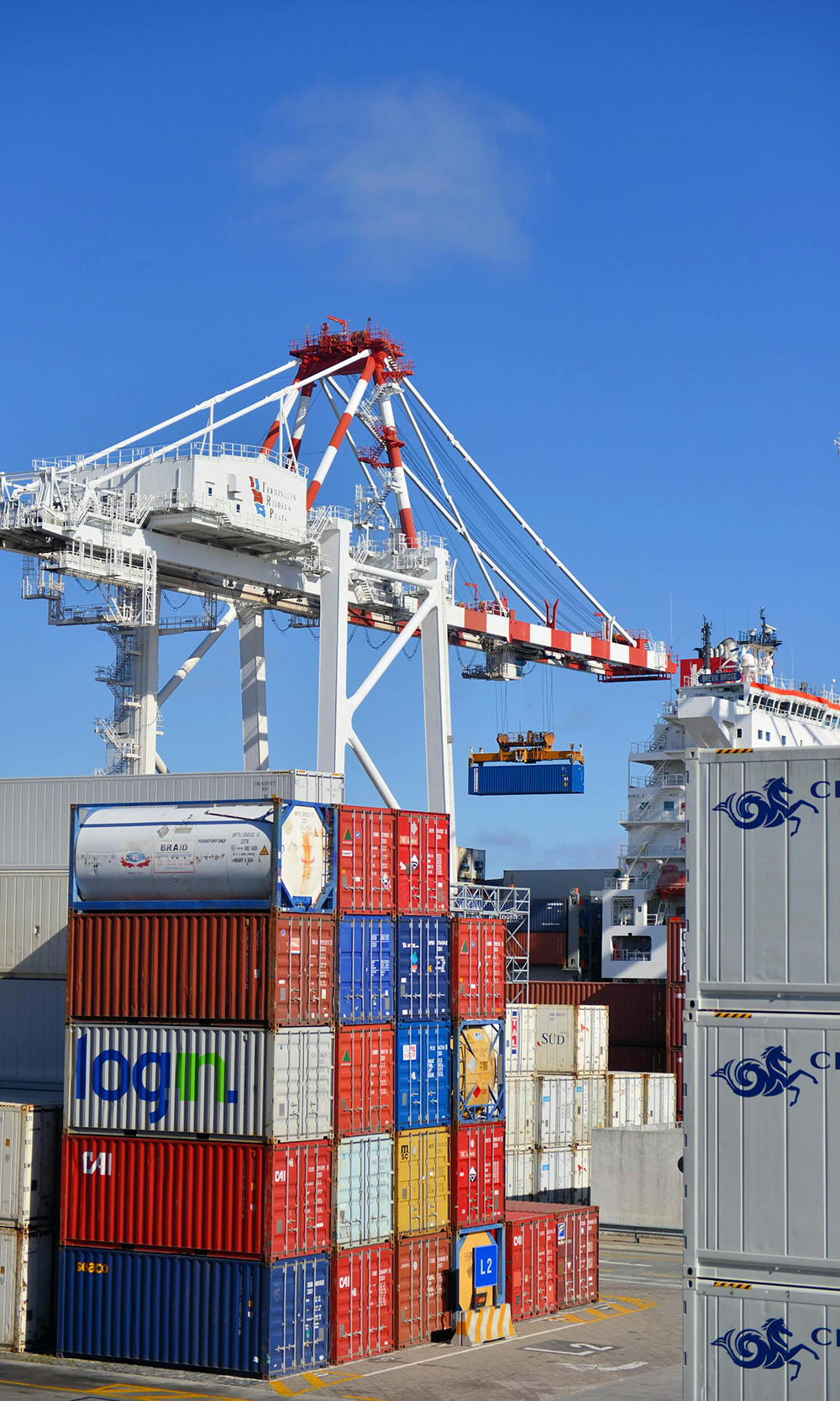
eforthink offers comprehensive solutions that encompass hardware development, platform creation and deployment, and system integration for industrial manufacturing, Logistics, Automotive, Forklift security and Healthcare.

eforthink is a national high-tech enterprise in the field of IoT specializing in location services. Based on location sensing connectivity and the aPaaS service platform, it offers partners one-stop location services that integrate hardware, software, and algorithms, covering the entire process from product design, development, integration, production, manufacturing, sales, and after-sales support.
With over 14 years of professional field experience and more than 3,500 industry deployments worldwide, eforthink delivers proven, battle-tested indoor positioning systems that perform reliably in the world's most demanding manufacturing environments.
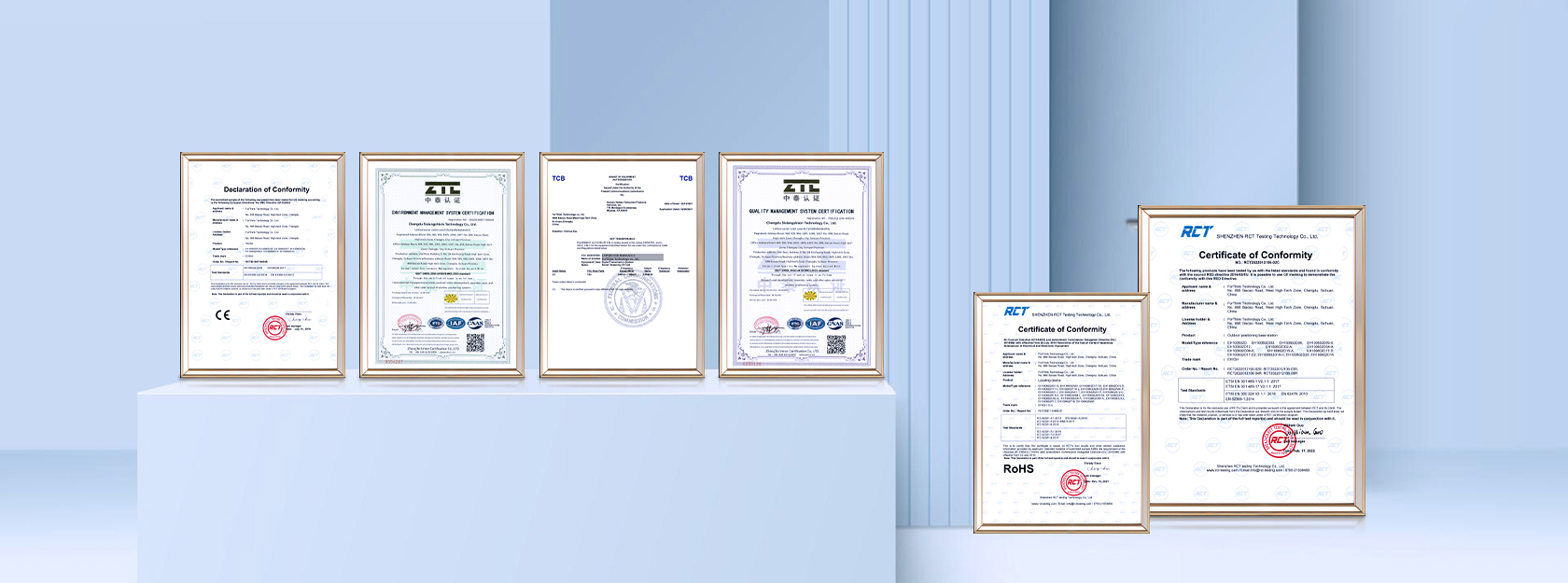
Every component you need to build a complete, scalable indoor positioning system — from tags and anchors to modules and dongles.
eforthink AoA High-Precision Positioning Base Station
eforthink Indoor Positioning Beacon
eforthink Multi-Function Color Screen Smart Health Positioning Wristband
eforthink UWB Indoor Ceiling Mounted Positioning Base Station
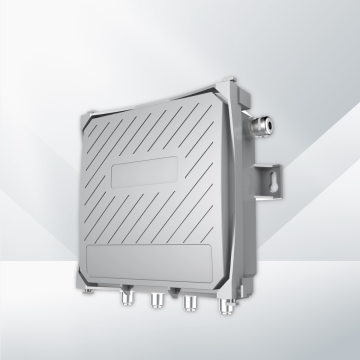 eforthink UWB Dual-Channel High-Precision Positioning Base Station
eforthink UWB Indoor Wall-Mounted Positioning Base Station
eforthink Lightweight and Multi-functional Positioning Tag
eforthink UWB Dongle - UWB Ranging and Positioning Base Station Tag Module
Our products and services are available in many countries and regions. We have developed model projects for many leading enterprises.