Materials & Reusable Carriers
Track pallets, containers, parts, trolleys and reusable frames across storage, staging and production areas. Location history helps teams find materials faster and review movement between work areas.


Track materials, tools and WIP with UWB asset tracking. Connect real-time location data to production workflows with eforthink hardware and asset tracking software.
Precise Positioning · Process Verification · Flexible Hardware · Scalable Deployment
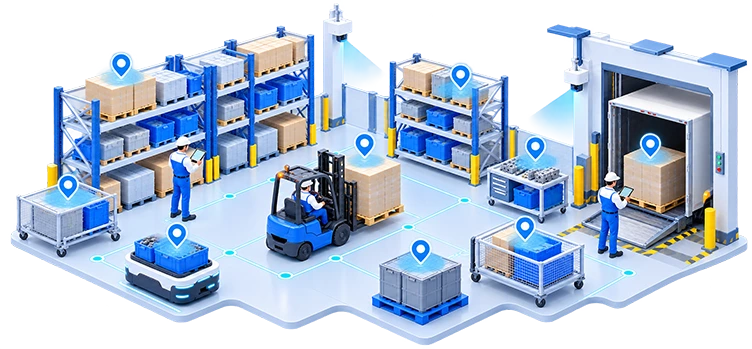
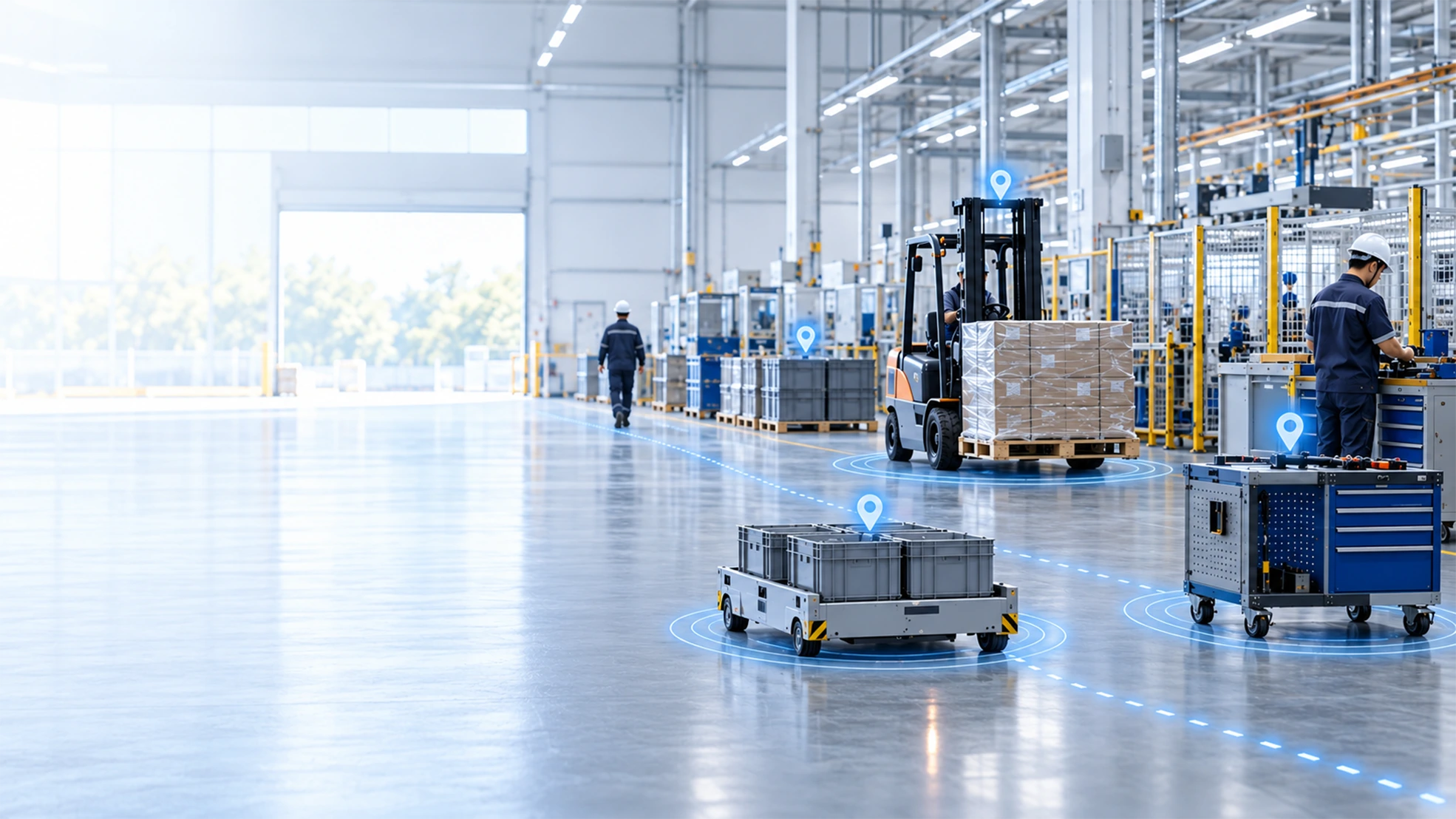
UWB positioning has traditionally been used for high-value assets and critical workflows, as tag costs, infrastructure and maintenance can affect deployment economics.
With right-sized devices, optimized anchor planning and motion-aware reporting, businesses can balance positioning performance with total lifecycle cost.
Start with priority targets—materials, tools and WIP—and scale based on measurable operational value.

Not every object needs the same location accuracy, update frequency or device configuration. Prioritize high-value, high-risk and high-traceability targets before expanding asset tracking across the entire facility.
Track pallets, containers, parts, trolleys and reusable frames across storage, staging and production areas. Location history helps teams find materials faster and review movement between work areas.
Locate tightening tools, inspection devices and specialized instruments across workstations. Tool tracking supports tool-to-workstation checks when combined with configured production rules.
Track vehicle bodies, key components and production carriers as they move through manufacturing stages. Location events combined with production records help review unexpected transfers and support material traceability.
Locate shared jigs, fixtures, molds and gauges across production areas. Asset tracking improves location visibility, while calibration and inspection status can be managed through connected maintenance systems.
Track shared maintenance tools and repair equipment across work areas. Equipment tracking provides location and movement history to support faster retrieval and return workflows.

Locate mobile equipment, carts, valuable instruments and shared devices across the facility. Current positions and movement history improve resource visibility, while utilization and maintenance status depend on connected systems.
An asset tracking system should be specified around the decision that location data must support, not simply around the number of tags.

Which materials, tools, WIP, vehicles and equipment are in scope? How many need tracking in the pilot and at full scale?

Does the task need basic zone visibility, a specific shelf layer or workstation-level precise positioning? Accuracy and update targets should follow the application.

How often does each object move? Reporting frequency, motion detection, mounting and battery replacement affect the lifetime cost of an asset tracking system.

Is the purpose faster search, abnormal-movement alerts, workstation verification or production-process tracking? Specify what location and time events must trigger.

Consider metal structures, warehouse racks, production equipment, installation conditions, and interfaces with MES, ERP, WMS or approved asset systems.

Define pilot acceptance criteria for coverage, accuracy, device availability, search performance, workflow behavior, integration and the cost of scaling.
Area-level asset visibility answers where something is approximately. Production operations may demand a more precise answer: is the correct material, carrier or tool actually at the expected workstation?
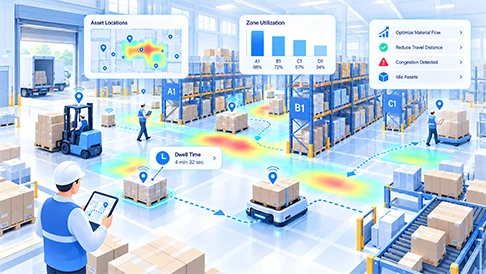
A basic asset tracking system can support search and area-level inventory awareness. That may be sufficient for some processes and does not always require UWB.
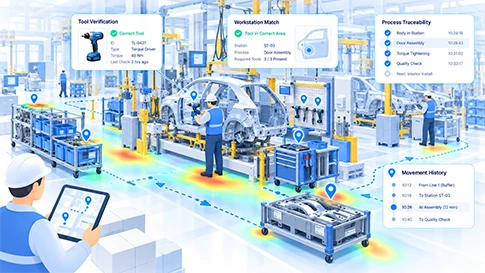
Where nearby workstations or shelves must be distinguished, UWB-based infrastructure provides precise positioning data that can support configured arrival and exit events. Results depend on the deployed layout and site conditions.
Tool tracking can compare a tagged tool's location with the work area assigned to its production stage. Location does not by itself confirm tightening completion, tool calibration or product quality; those outcomes depend on connected tool and production records.
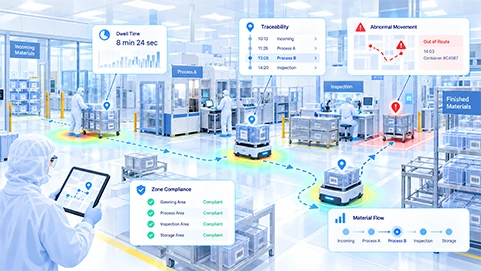
Material tracking and WIP tracking combine location, time, geofence and workflow rules to review transfers between stages. Historical records can support material traceability and help identify unexpected movement.
From area-level visibility to workstation-level location data, UWB positioning supports more precise, location-based workflows.
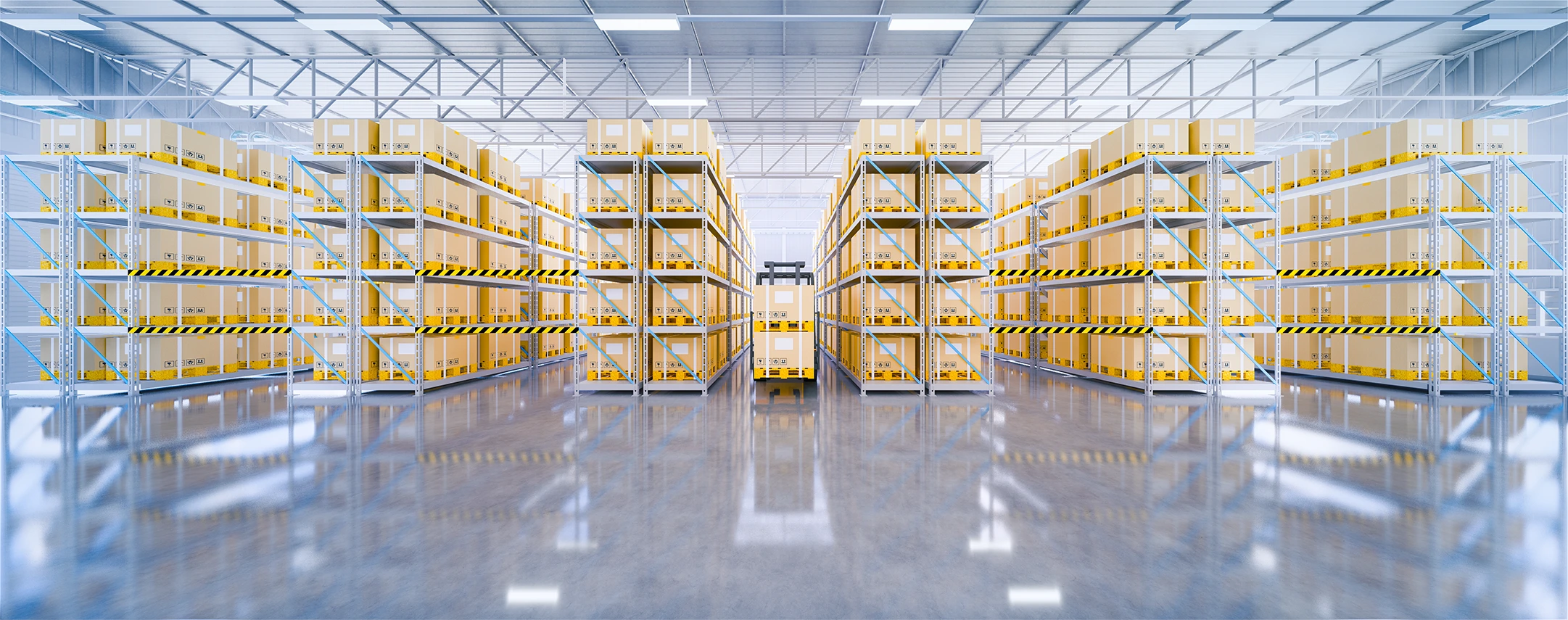
An industrial deployment connects the tracked object with fixed positioning infrastructure, a positioning engine, software platform and approved business systems.
A suitable UWB tag or tool terminal is attached to a material, carrier, tool or other asset. Device selection follows mounting, protection, movement and power requirements.
Uplink tag signals are received by anchors. The positioning engine calculates coordinates from the configured radio measurements, with accuracy and coverage verified on site.
The platform displays current location, movement trajectories, dwell time, configured zones, history and alerts. The platform can also support asset search and hardware-status monitoring.
MES, ERP, WMS and other approved systems provide work orders, inventory records, process stages and business status. RTLS asset tracking provides spatial data; it does not replace the transactional system of record.
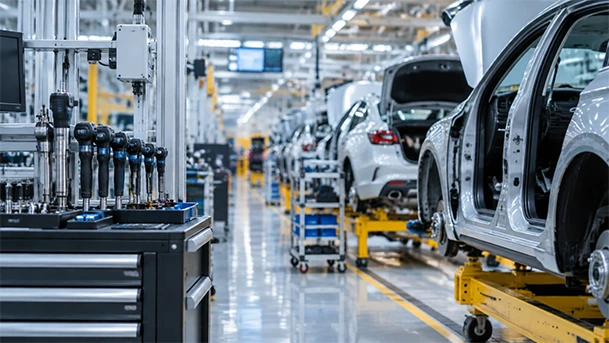
Track tightening tools, vehicles and WIP across production stages, adding location visibility to existing production workflows.
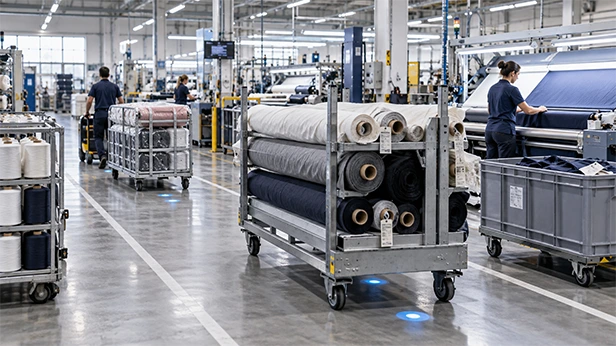
Locate reusable carts and material carriers, and track their movement between production areas.
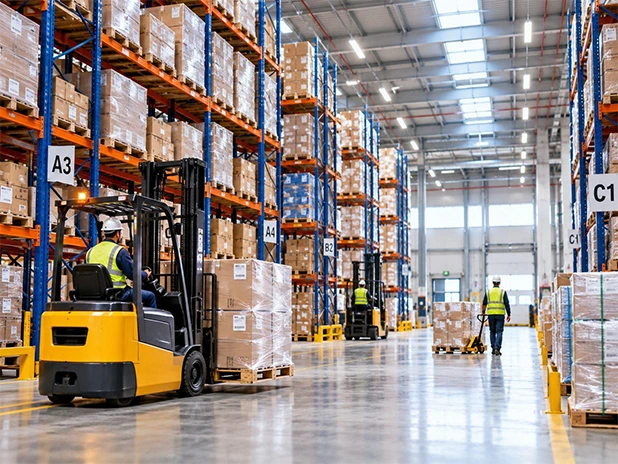
Locate pallets, materials and reusable carriers across receiving, storage, picking and dispatch.

Track production materials and movement history to support faster searches and material traceability.

eforthink deployed UWB positioning to track tightening tools and connect their locations with designated workstations and production stages, supporting process checks and tool-use control.
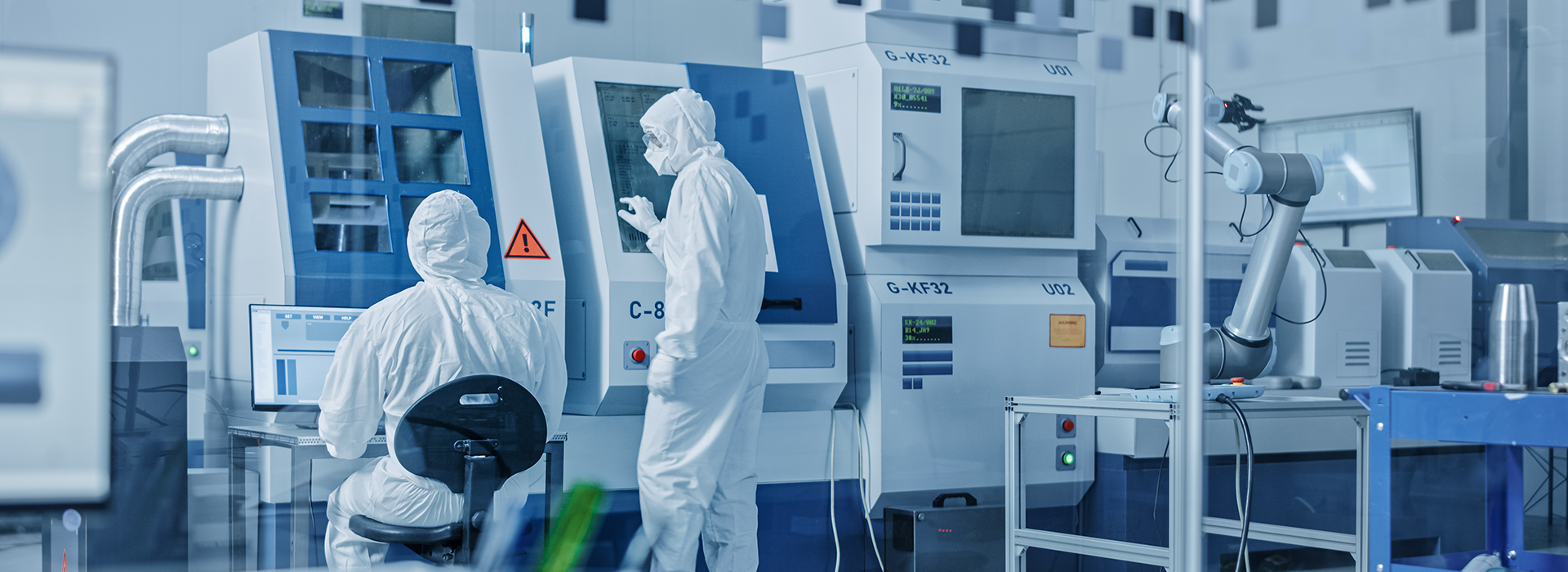
For a leading ICT enterprise, eforthink deployed UWB base stations and dedicated material tags to provide real-time material locations, movement history and dwell-time records, supporting end-to-end traceability.
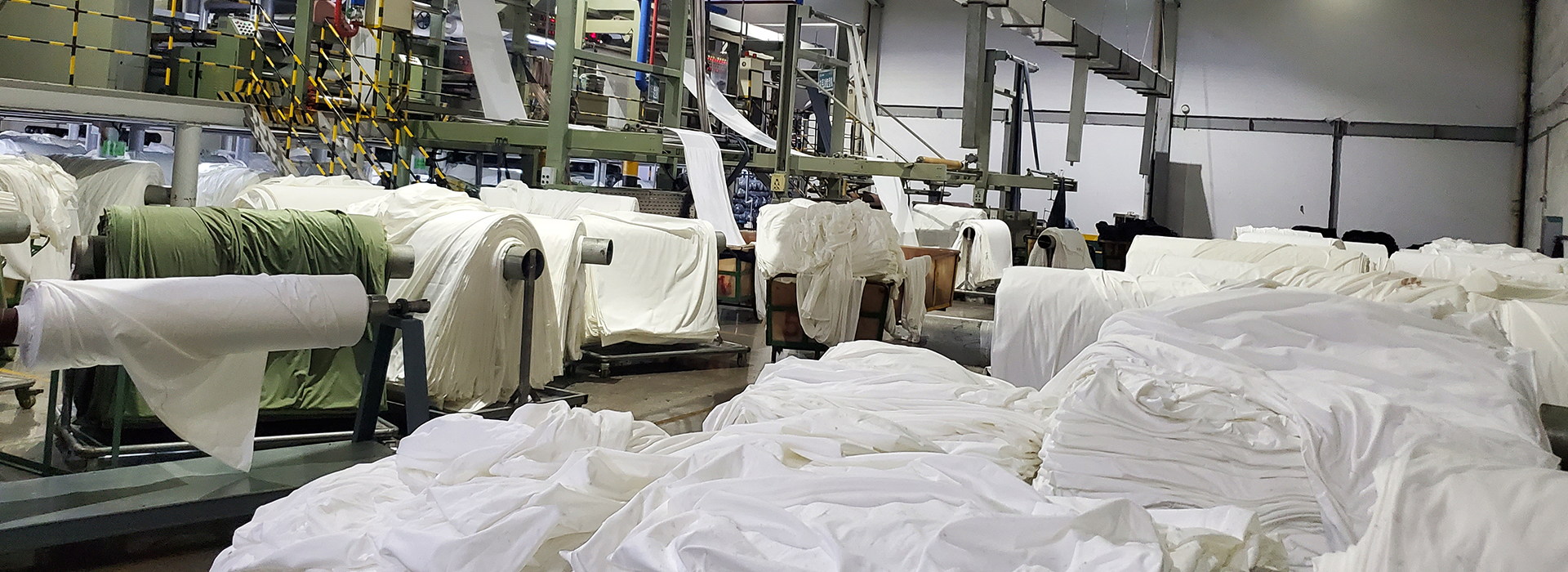
At Zhejiang Shengshan Technology, high-precision positioning helps teams locate material-handling vehicles and improve material-flow visibility across multi-stage production operations.
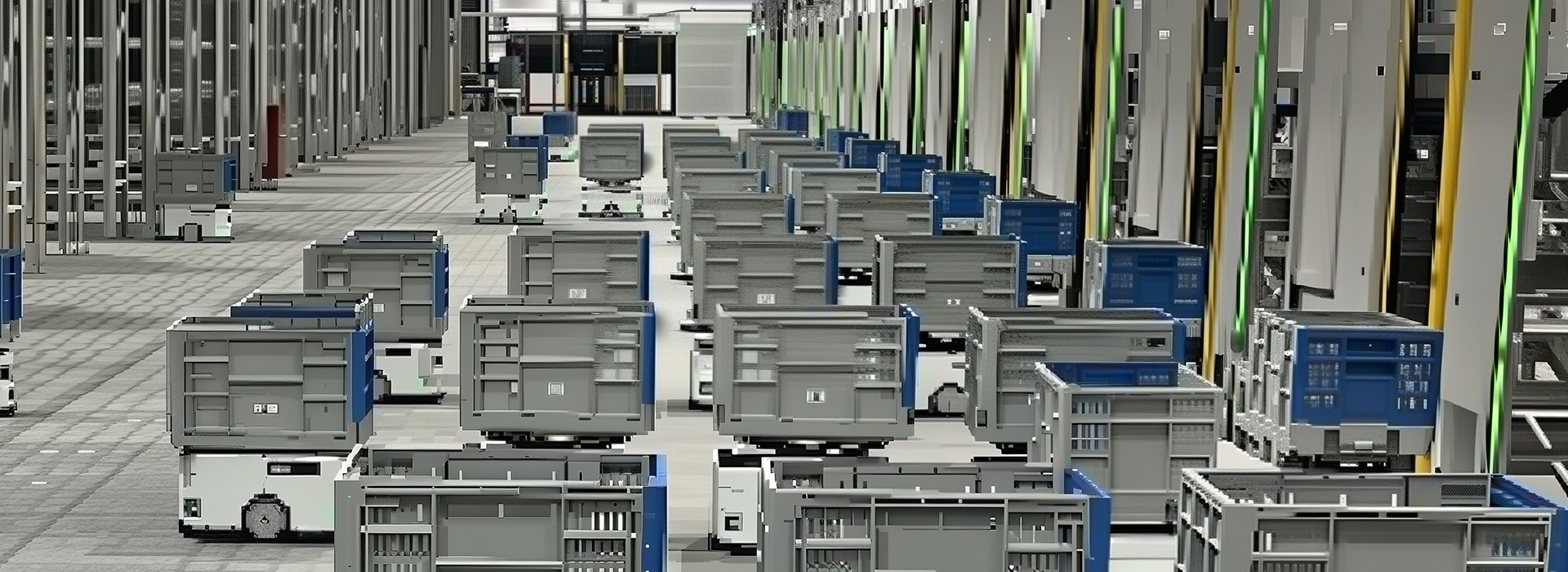
The solution combines personnel and material location data to support asset searches, material tracking and day-to-day warehouse resource visibility.
The right asset tracking device depends on what is attached to it, how it moves and how the facility is built.
Hardware selection is part of project cost efficiency, not just a product specification exercise.
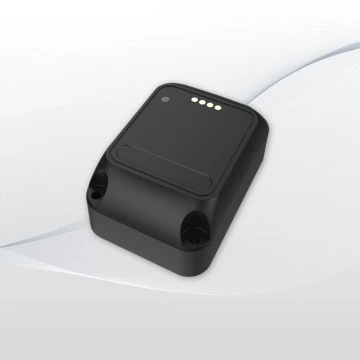


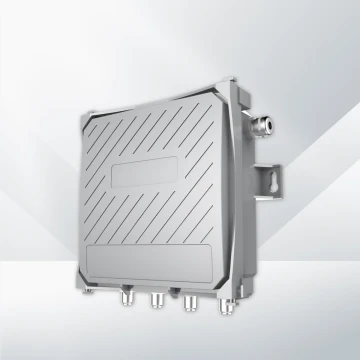
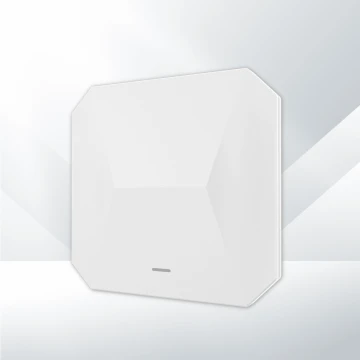
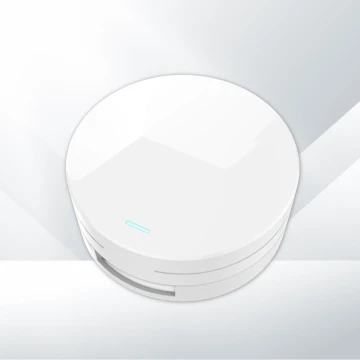
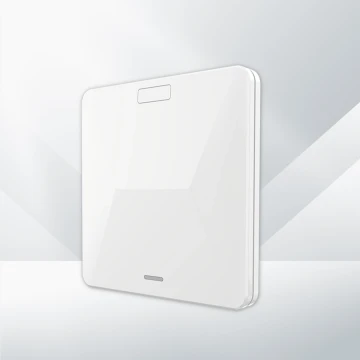
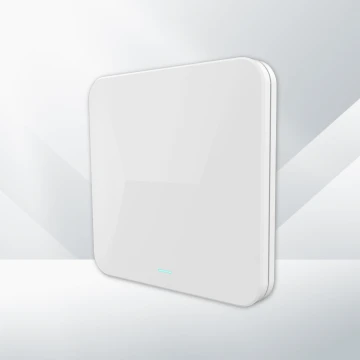
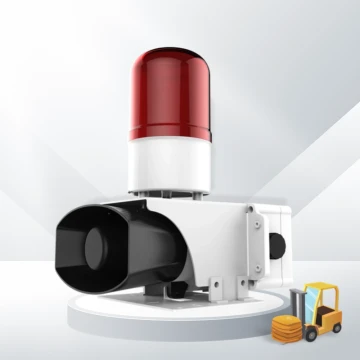

Optimize hardware selection, infrastructure and lifecycle costs for each application.
Right-Sized Tags
Match devices and reporting behavior to tracked objects.
Efficient Infrastructure
Plan anchor placement around coverage and accuracy requirements.
Lifecycle Management
Account for battery replacement, monitoring and maintenance.

Turn UWB location data into useful operational context through integration.
Production & Tools
Work orders, workstations and production records.
Inventory & Materials
Receiving, storage and dispatch records.
Asset Records
Asset identifiers and approved business data.

Expand the asset tracking system based on verified operational value.
Targeted Pilot
Start with critical tools, materials or WIP.
Process Expansion
Extend to adjacent workstations and zones.
Broader Rollout
Scale hardware, software and integration.
Plan your UWB asset tracking project with Eforthink.


Hardware, algorithms, positioning software and system integration within one technology portfolio.

Member of FiRa Consortium and Bluetooth SIG.

ISO 9001 · ISO 20000 · ISO 27001
3,000 m² production facility and 30+ testing systems for environmental and mechanical validation.
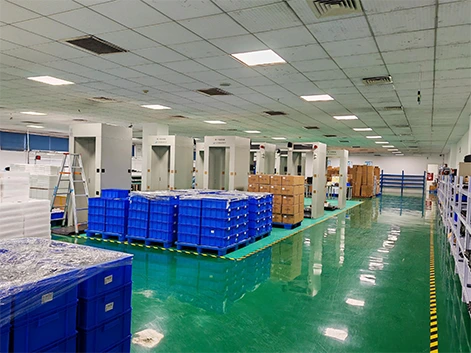
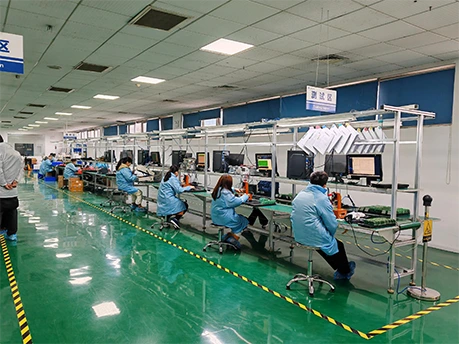
UWB asset tracking uses tags, positioning infrastructure and software to identify the locations of objects in a defined facility. An asset tracking system can display positions and movement history and connect approved location events with business processes.
Start with the object, required positioning accuracy, environment, device quantity, workflow requirement, integration scope and acceptance plan. Select an asset tracking solution that can support the initial use case and planned expansion.
Cost depends on tag quantity and configuration, anchor coverage, required accuracy, facility conditions, software, integration, installation and ongoing maintenance.
Project pricing requires a scoped design; there is no universal per-tag or per-square-meter price.
Material tracking connects tagged materials or carriers with current locations, movement history, zone events and relevant production records.
MES or ERP provides order and process data while the positioning platform supplies spatial data.
Yes, when location and process systems are integrated.
Tool tracking can check whether a tagged tool is in its expected work area; tool operation completion and quality still depend on connected tool and manufacturing records.
WIP tracking provides position, dwell and movement events between work areas.
When these records are associated with work orders and workflow rules, the business can review unexpected transfers and reconstruct movement history.
Depending on the business case, a warehouse tracking system can track pallets, carts, containers, materials, shared equipment and other mobile assets.
Define whether the purpose is asset search, multi-layer position, workflow timing or WMS integration.
Battery life depends on the selected tag and reporting pattern.
The eforthink Multi-Function Asset Tracking Tag specifies at least seven years under its stated daily movement and reporting assumptions. This is not a guarantee for every device or deployment.
A project typically needs tags suited to its objects, fixed UWB anchors, a positioning engine, network and power connections, asset tracking software, and any required integrations.
Actual component quantities depend on the site design.
The asset tracking solution supports ERP, MES and WMS integration.
Other integration requirements, including EAM, should be confirmed against the available interfaces and project scope.
Location data complements rather than replaces those systems.

Share what you need to track, your site conditions, required precision and integration needs.
Eforthink can help evaluate a cost-efficient UWB asset tracking solution for your project.

