Complex RF Conditions
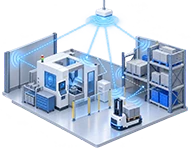
Metal structures, shelves, machinery, walls and moving equipment can affect signal paths. Infrastructure placement should be planned and validated for the real environment.


Build reliable location visibility across factories, warehouses and industrial sites with a location architecture designed for complex environments, multiple tracked objects and business-system integration.
Centimeter-level positioning · Scalable deployment
Flexible hardware · Integration-ready architecture
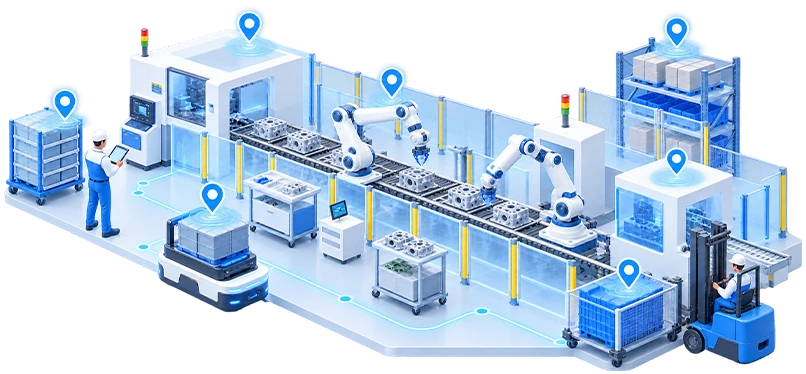
A working demo is not the same as a production-ready RTLS. A production real time location system must keep working when machines move, materials change position, forklifts cross work areas and the environment creates signal reflections or obstructions.
For industrial operations, location data needs to support real workflows—not just display dots on a map. That may include tracking people, assets, equipment, materials, tools, forklifts or WIP across production and warehouse processes.
A reliable RTLS solution therefore starts with the actual site, tracked objects and operational requirements.
Metal structures, shelves, machinery, walls and moving equipment can affect signal paths. Infrastructure placement should be planned and validated for the real environment.
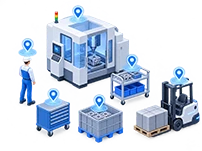
People, tools, materials, carts, forklifts and equipment may require different devices, mounting methods and protection levels.
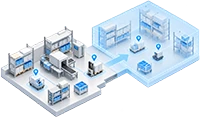
Factories and warehouses change over time. A scalable RTLS system should be able to extend into additional areas as operations grow.
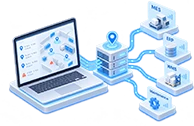
Location data creates more value when coordinates, zones and events can connect with MES, ERP, WMS, maintenance or other business systems.

A successful UWB RTLS project should start with the actual site, tracked objects and operational requirements—not with a single device.
Eforthink defines the required accuracy, coverage, hardware, software and integration approach, then validates the RTLS system under real operating conditions before full deployment.
Identify the people, assets, equipment, materials, tools, forklifts or WIP that need to be tracked.
Determine where precise coordinates are required and where broader location awareness is sufficient.
Match UWB anchors and tracking devices to the facility layout, installation conditions and tracked objects.
Configure maps, coordinates, zones, history and location events in the RTLS software.
Connect location data with MES, ERP, WMS or other operational platforms where required.
Verify coverage, accuracy, update behavior and workflow performance before full-scale deployment.
UWB technology is well suited to industrial environments where precise location data, real time tracking and scalable deployment are required. With the right system design, UWB RTLS can support people, assets, materials and equipment across factories, warehouses and other complex operating areas.

The system can provide centimeter-level results under appropriate deployment conditions, helping teams move beyond area-only location information.

The radio technology offers strong anti-multipath characteristics, while final performance still depends on the installation environment and commissioning.

Movement updates can support live visualization, history review, zone events and operational alerts according to the selected configuration.

A pilot area can be extended by adding infrastructure, devices and software coverage as project requirements grow.

Different UWB anchors and device form factors support different mounting methods, protection requirements and tracked objects.

The RTLS system can provide location data for production, warehouse, maintenance and other business workflows when integration is part of the project scope.
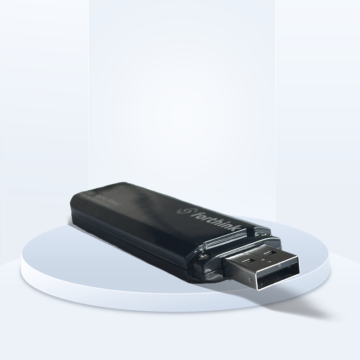
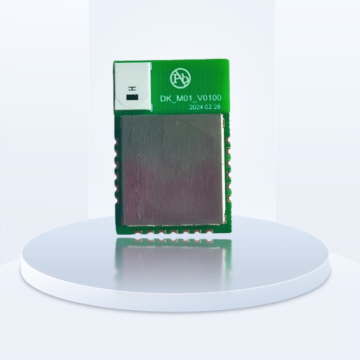
Build a complete UWB positioning system with the right combination of UWB tags, UWB anchors, and UWB modules.
Eforthink provides hardware for different tracking objects, environments, and deployment needs—helping you configure the right UWB RTLS solution.
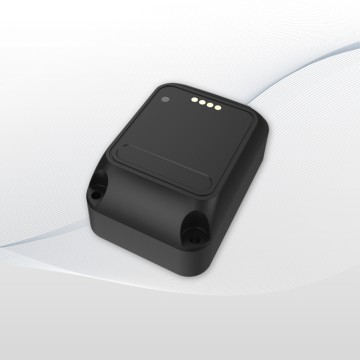
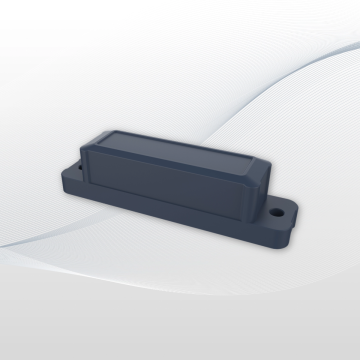
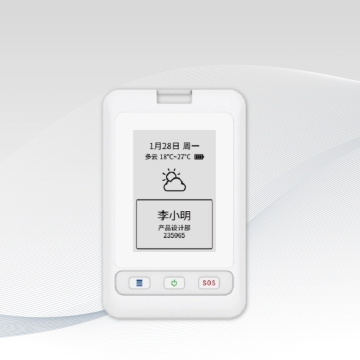
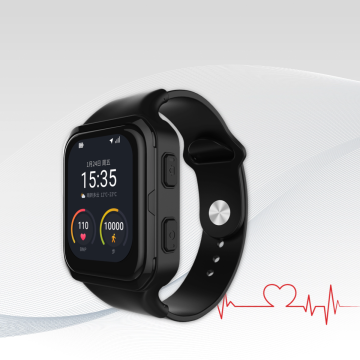
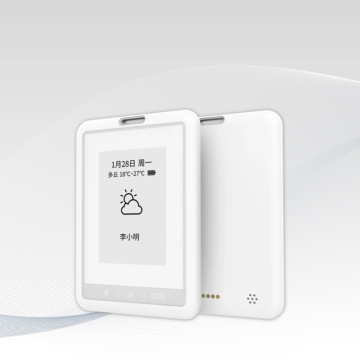


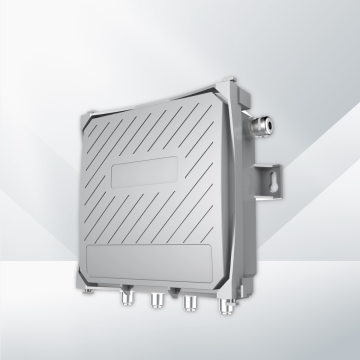

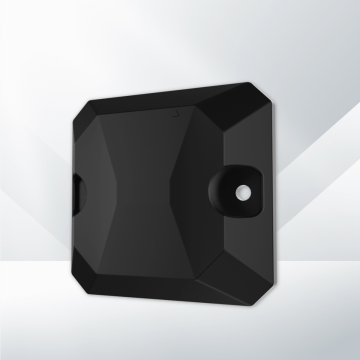
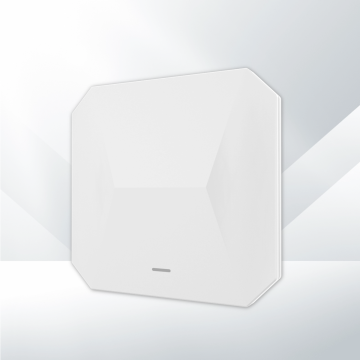
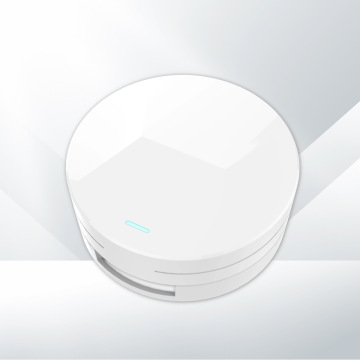
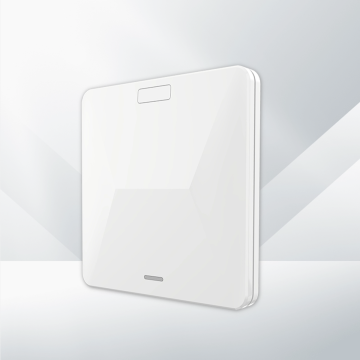
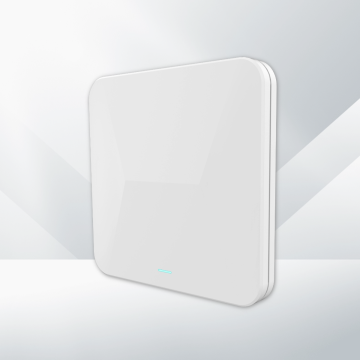
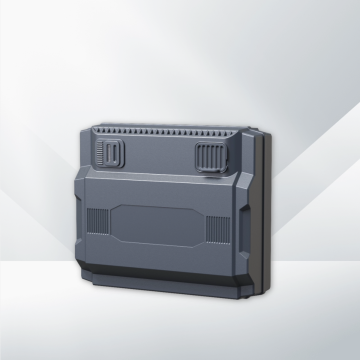
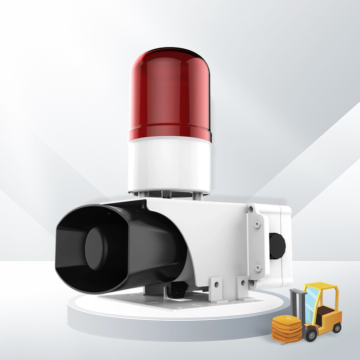
The same location platform can support different B2B use cases when hardware, architecture and software rules are matched to the process. The following applications align with eforthink’s current solution and case structure.
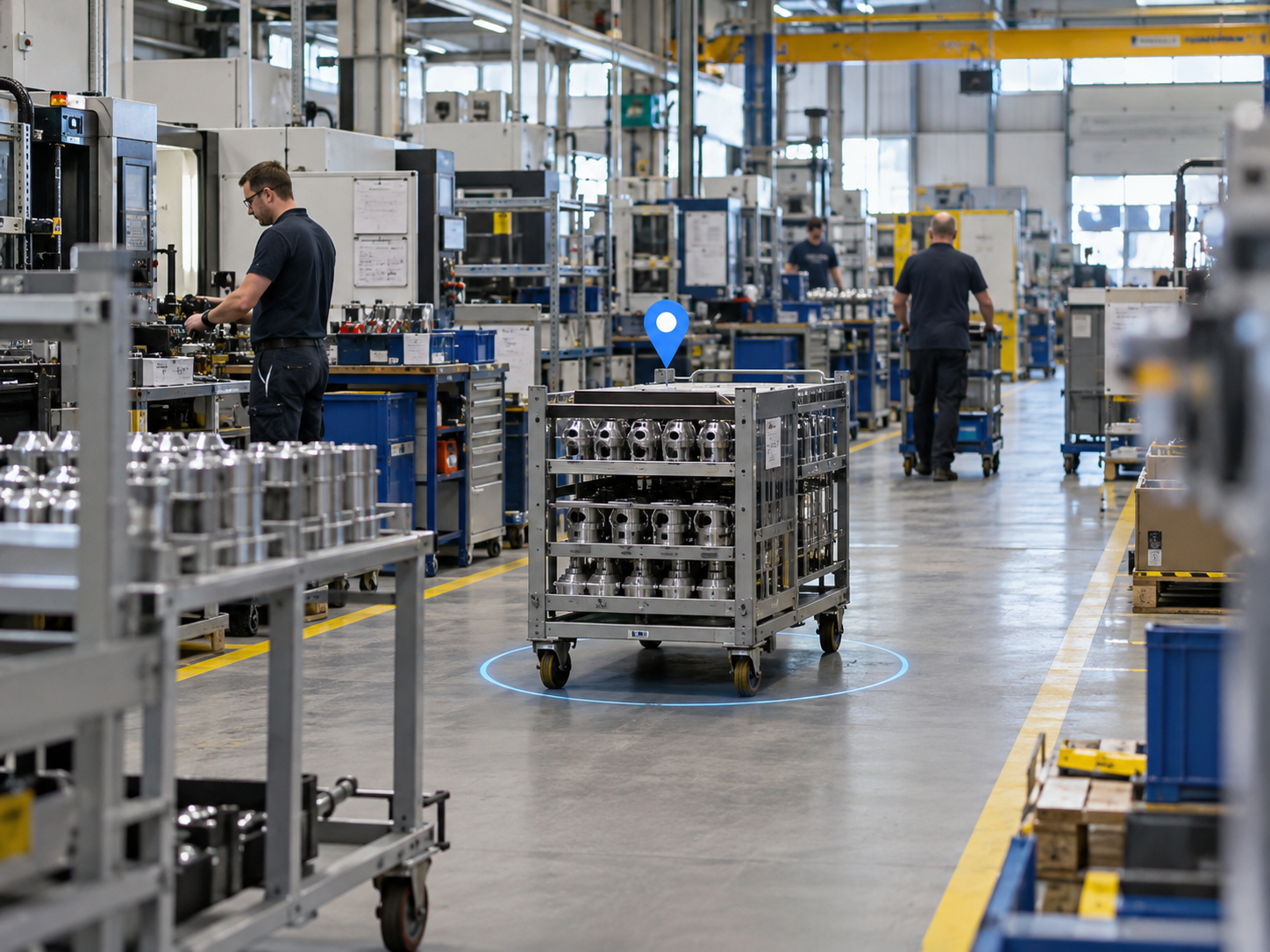
Locate production assets, carts, reusable carriers and other resources that move between work areas.
Movement records can improve asset visibility and support process verification.
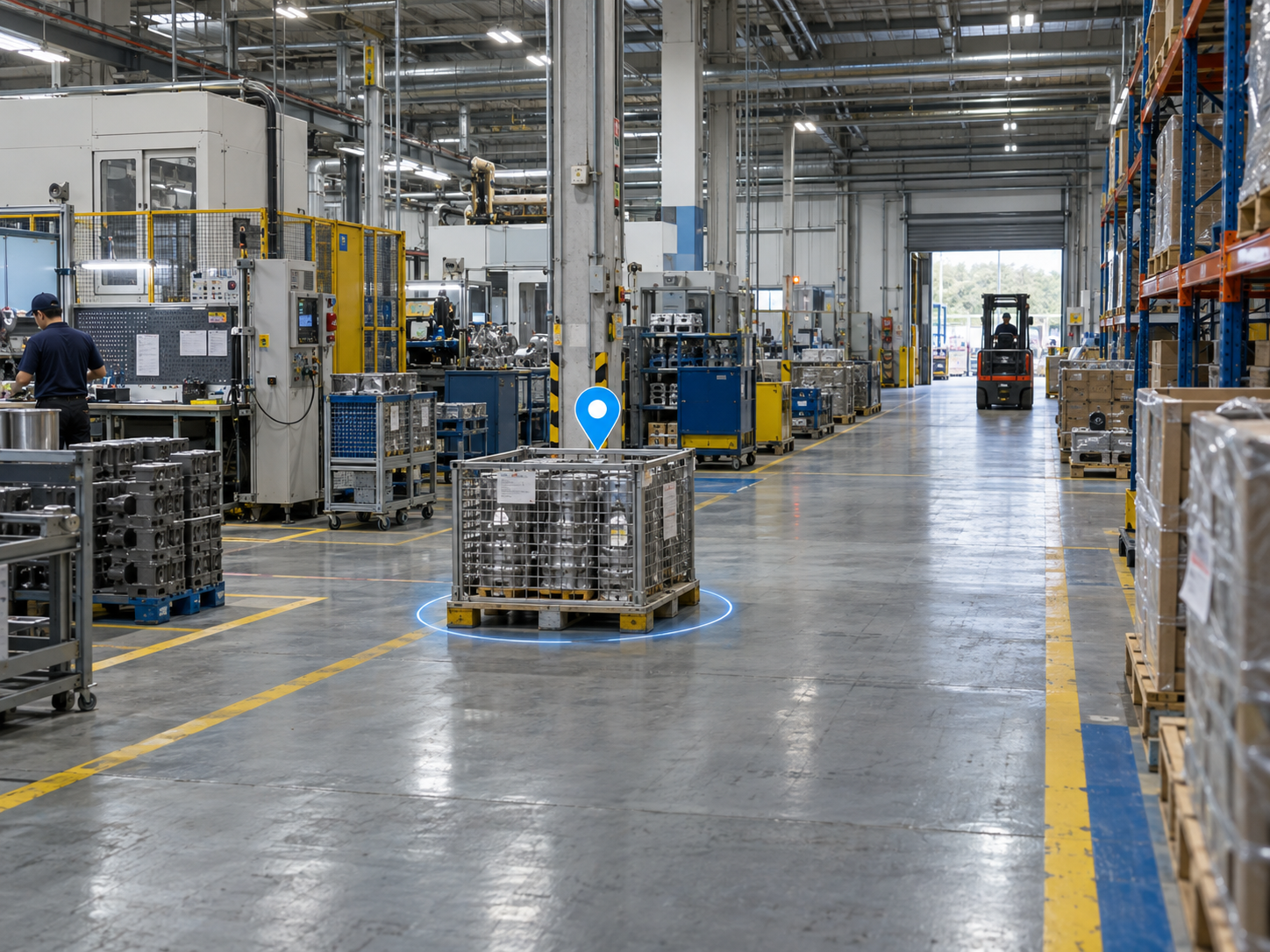
Follow flow between production, transfer and storage areas.
Historical records can support material traceability and help teams review abnormal movement.
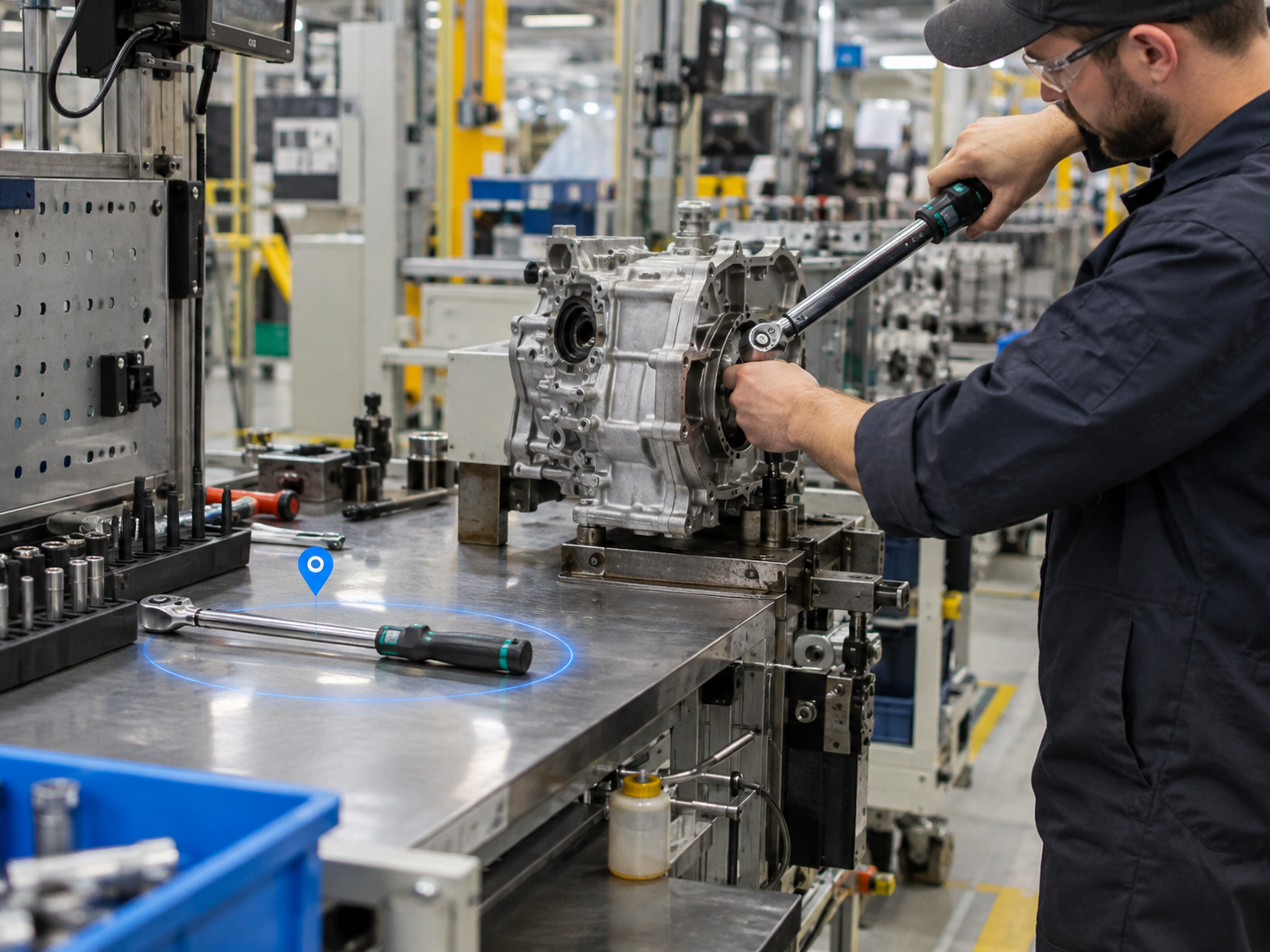
Locate tools that need to remain associated with defined work areas, process stages or production records.
Events can support search and process control.
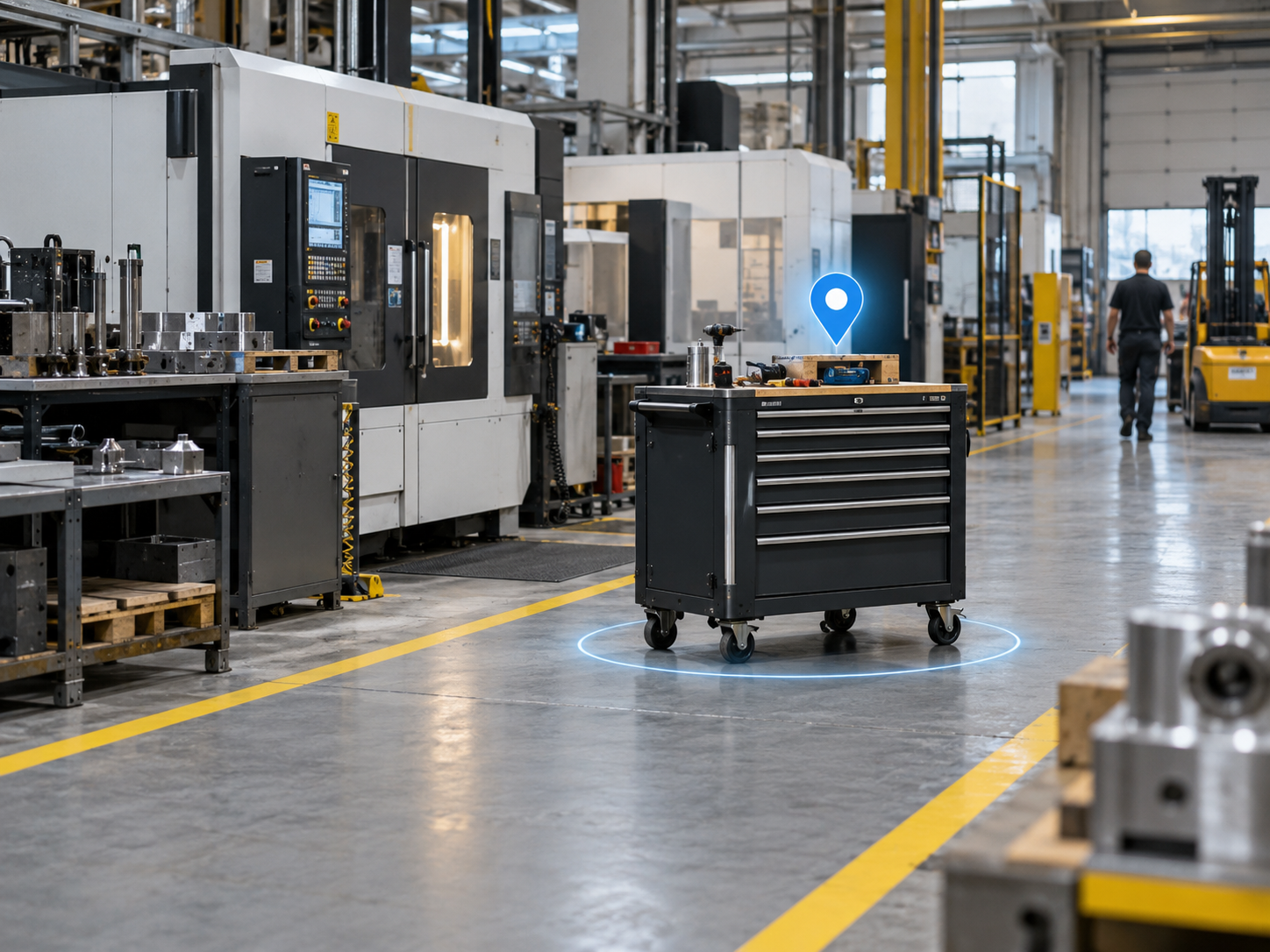
Provide clearer location visibility for mobile or shared equipment across a factory, warehouse or maintenance environment.
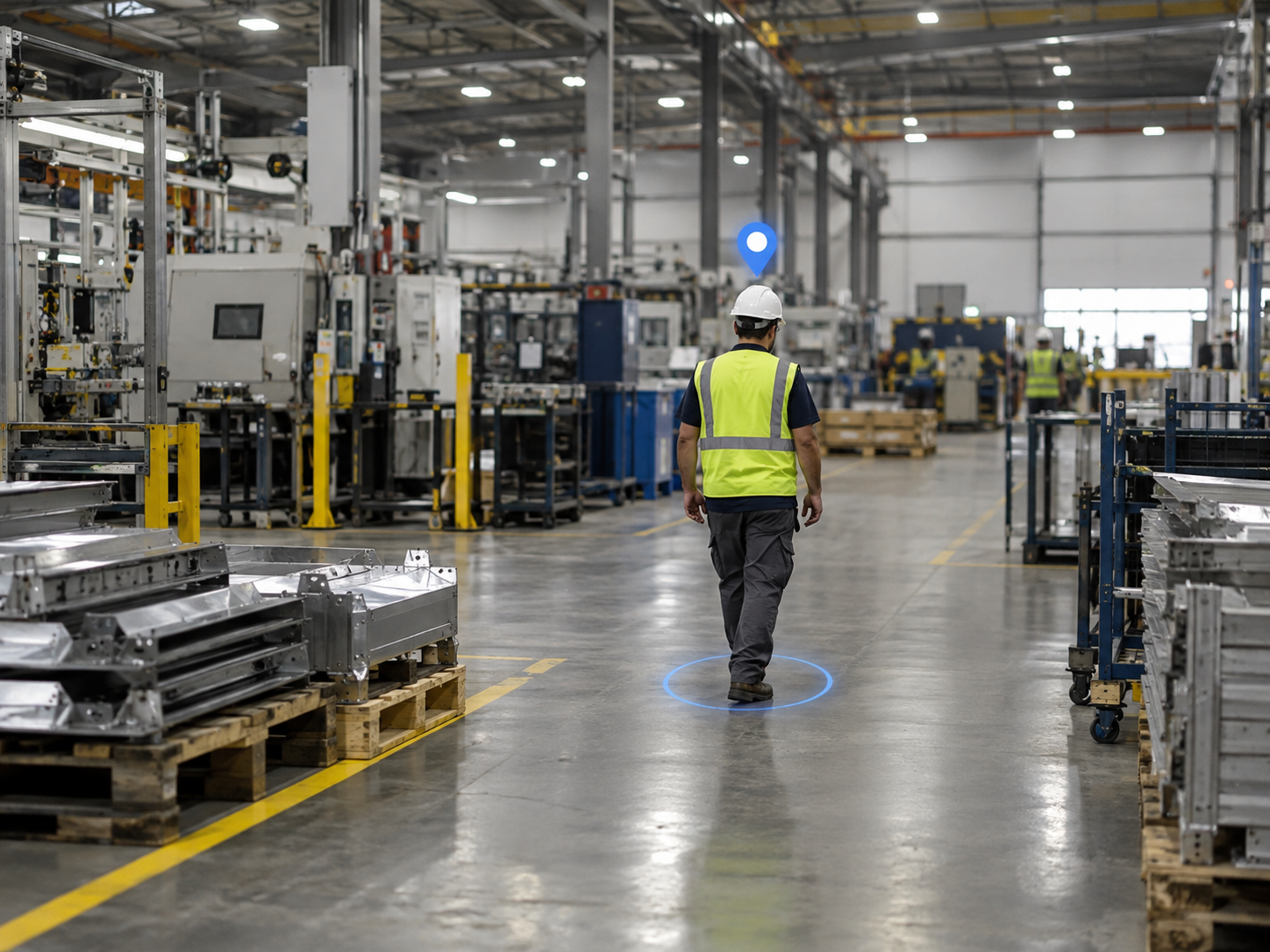
Provide location context for workforce coordination, restricted-area rules and safety workflows where the project requires it.
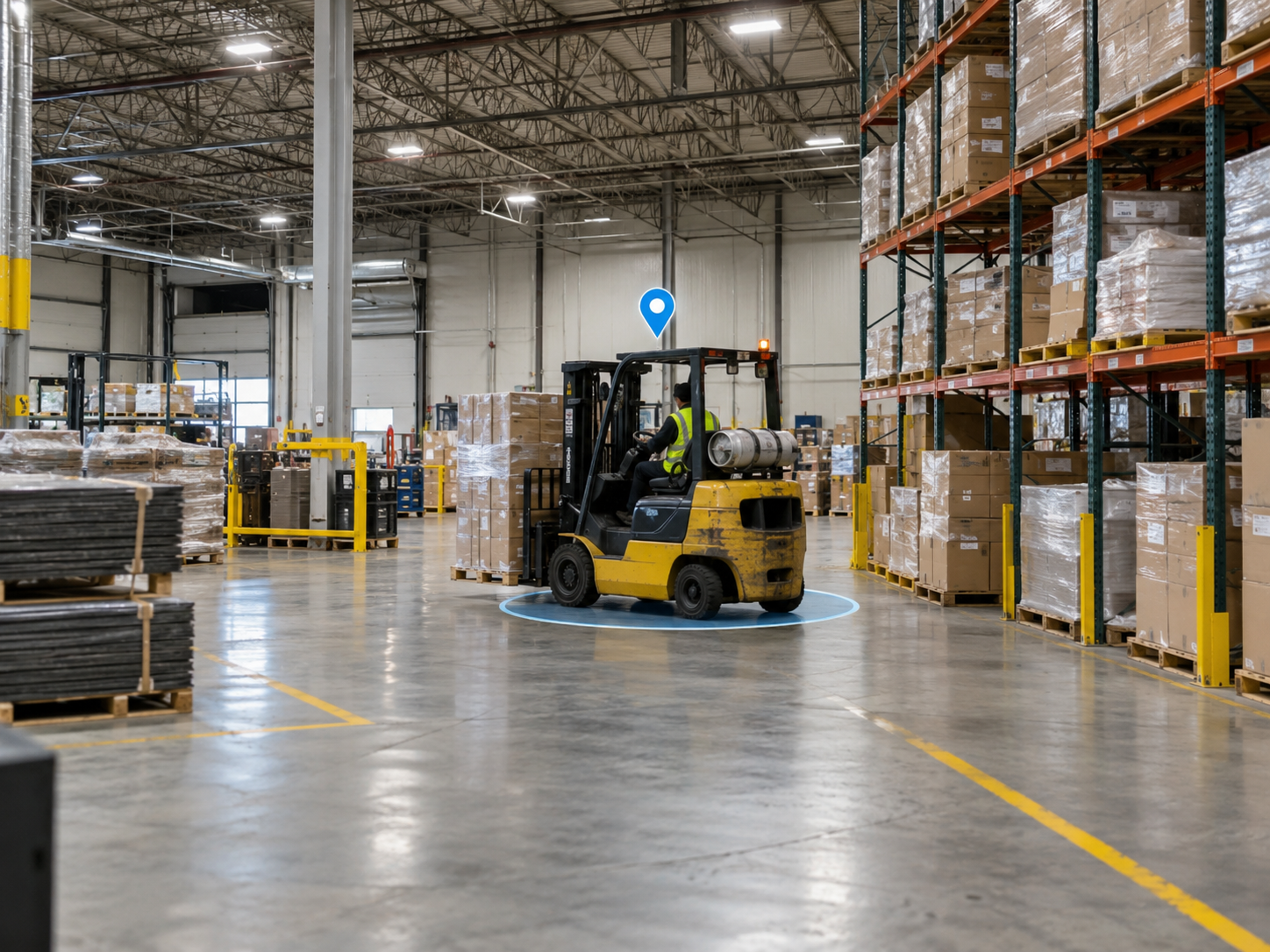
Improve vehicle visibility inside warehouses and production facilities.
The same data can support routing, workflow review or safety applications depending on project scope.
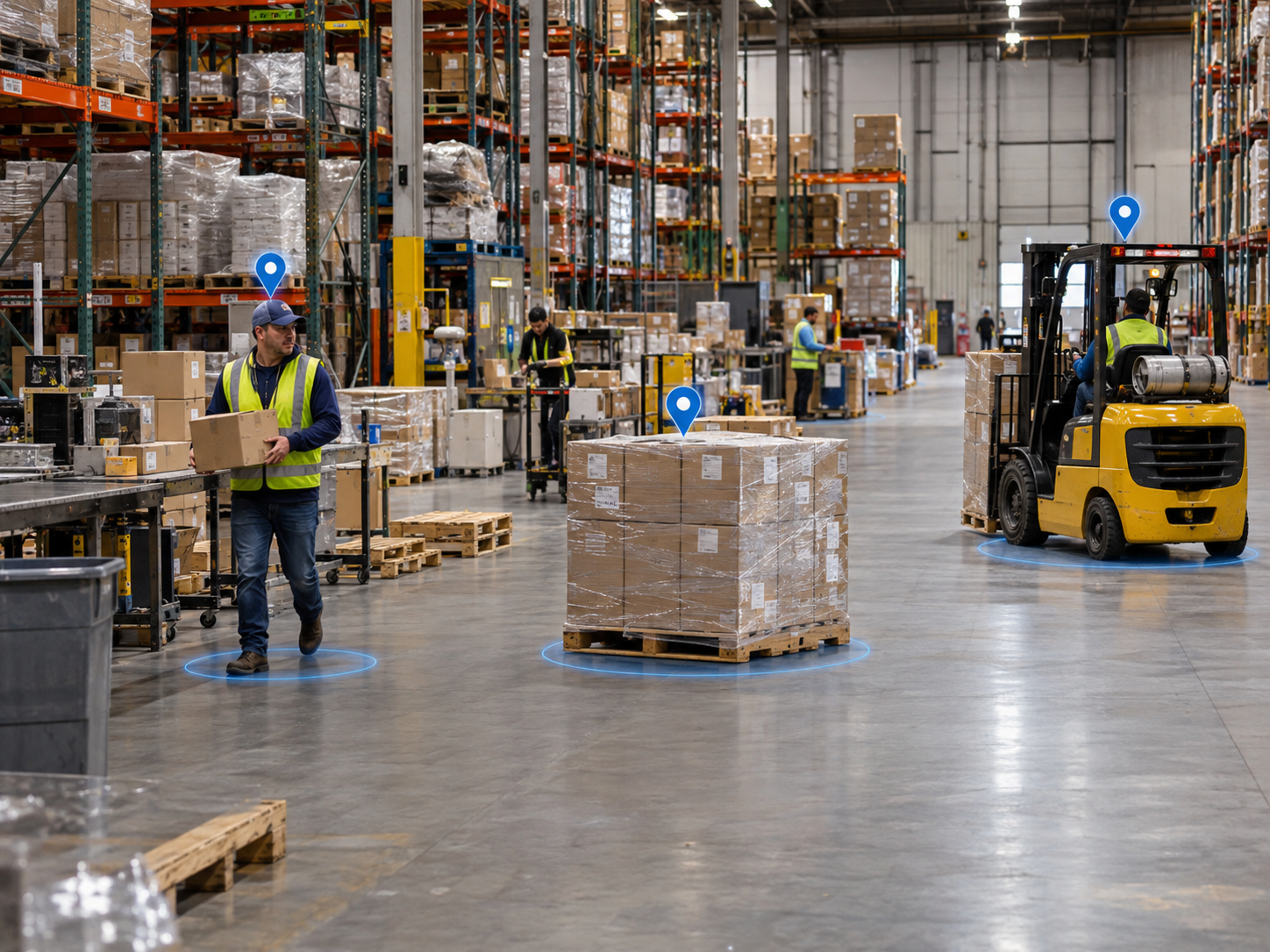
Connect people, materials, assets and forklifts to one location view for faster search and clearer warehouse operations.
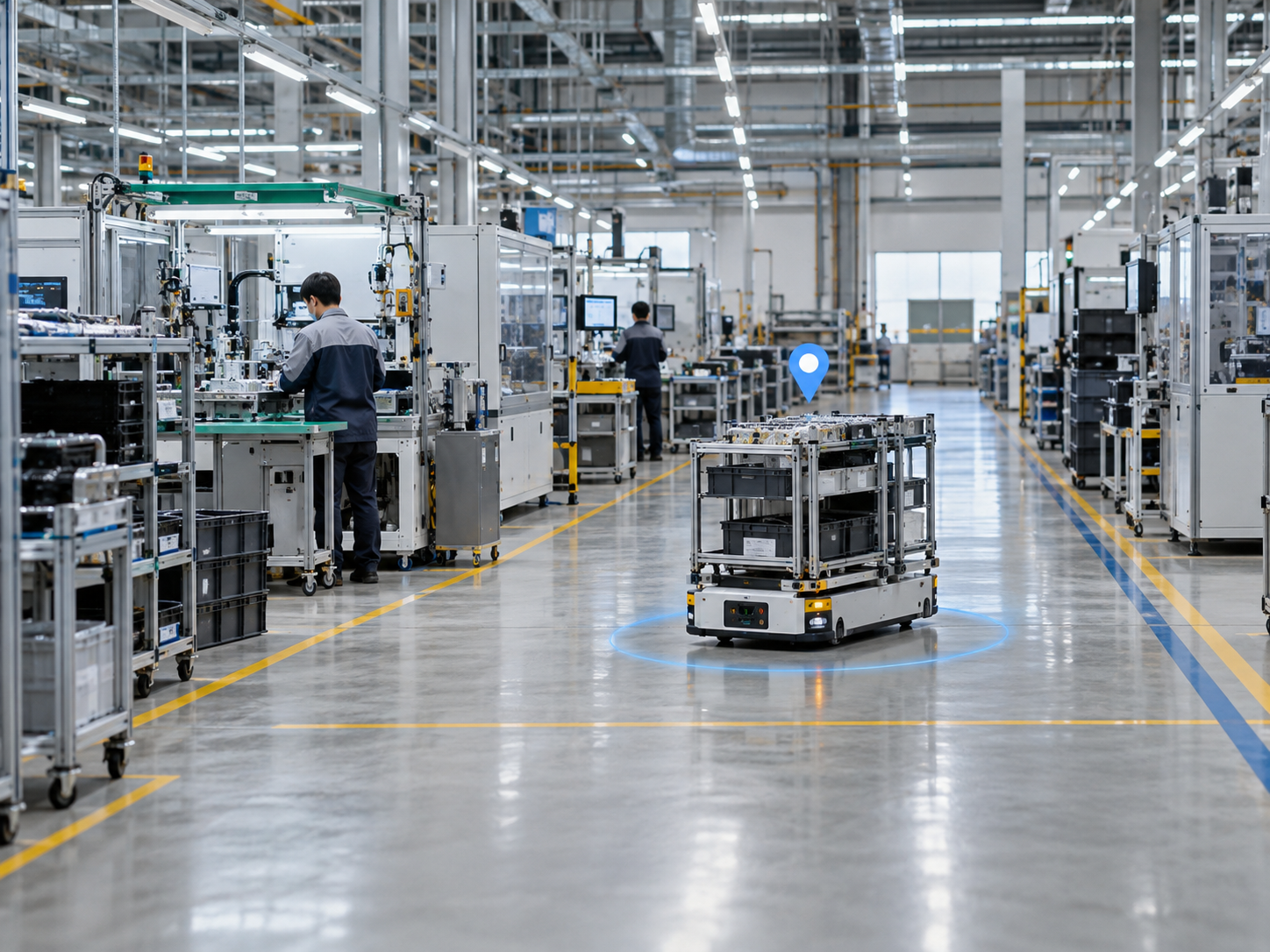
In a smart factory or digital factory program, spatial data can become another operational source that connects physical movement with production and logistics records.
Eforthink's published projects demonstrate material tracking, asset tracking, tool tracking, warehouse tracking, personnel tracking, and industrial tracking across real operating environments.
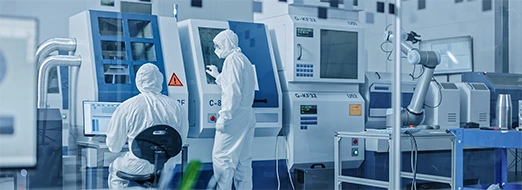
Eforthink deployed UWB-based tracking for cleanroom material management. The asset tracking system combines current material locations with movement records to improve visibility and support workshop management. Historical dwell-time and movement records also support traceability.
Read Success Story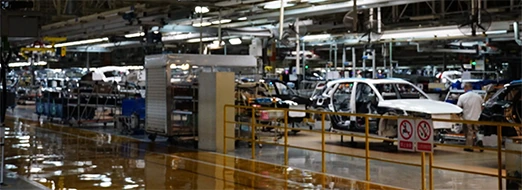
In the current automotive solution, manufacturing asset tracking is used to show repair-vehicle locations together with MES progress records. Tool location is also connected with production-system records in documented deployments.
Read Success Story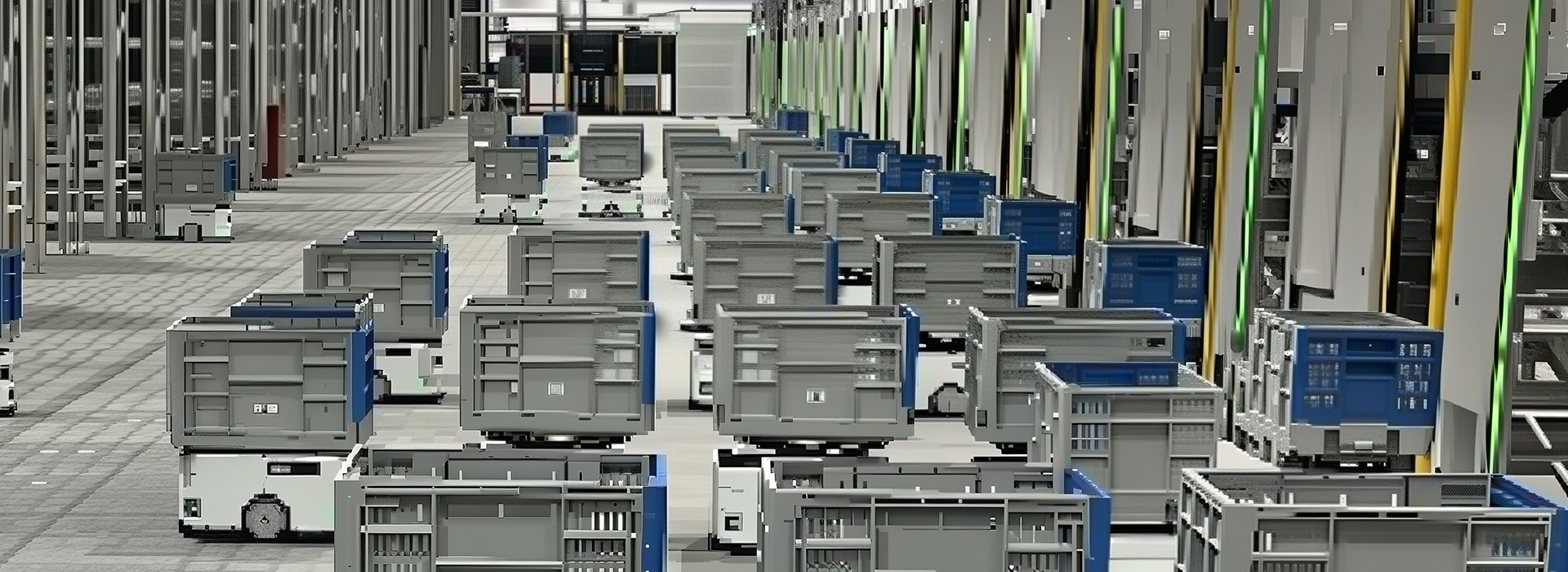
The current Singapore warehouse case uses location technology for personnel visibility, asset queries and material movement. The case demonstrates how a warehouse tracking system can provide spatial visibility for warehouse personnel and materials.
Read Success Story
B2B buyers look beyond positioning accuracy. Eforthink combines in-house R&D, manufacturing, testing, system integration and project support to help move RTLS projects from design to deployment.

Member of FiRa Consortium and Bluetooth SIG.

Testing capabilities covering temperature, salt spray, vibration, and impact resistance.

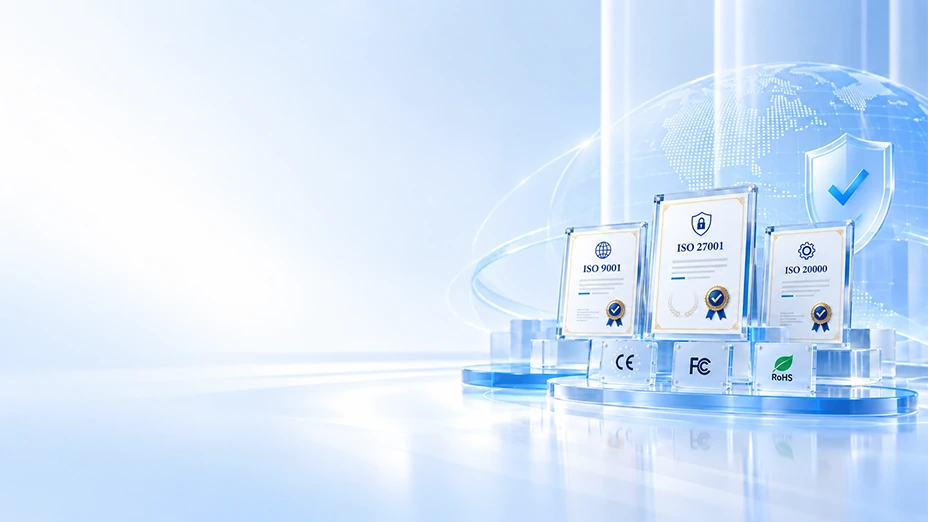
ISO 9001 · ISO 20000 · ISO 27001

Hardware, positioning algorithms, software platforms, and system integration for UWB RTLS projects.

CE · FCC · RoHS

Projects across automotive, mining, warehousing, industrial applications, and smart spaces.
In-house manufacturing, assembly, testing, and quality-control capabilities support reliable UWB hardware production and project delivery.
Learn More About Eforthink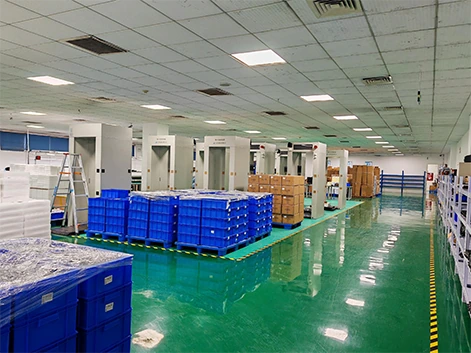
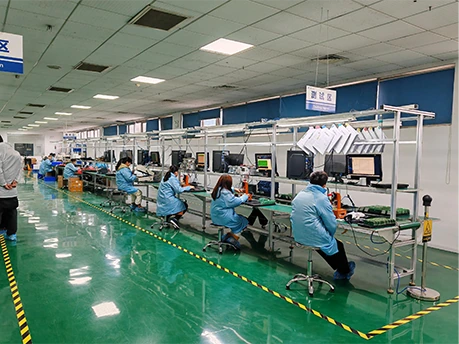
It identifies and updates the location of tagged people, assets, equipment or materials within a defined environment. A typical deployment combines tracking devices, fixed infrastructure, software and application logic.
UWB RTLS is suitable when the application requires precise positioning, responsive updates and reliable spatial data in complex environments. The final design should still be validated against the actual site.
Depending on the selected hardware and project design, the solution can support people, assets, equipment, materials, tools, forklifts and WIP.
Yes, when integration is part of the project scope. Current eforthink industrial pages describe connections between location data and systems such as MES, ERP and WMS.
Compare the fit between the required use case and the proposed positioning technologies, hardware, software, integration method, deployment plan, testing capability, support model and acceptance criteria—not only advertised accuracy.
Not necessarily. A project can evaluate different positioning technologies by zone according to accuracy, environment, cost and operational requirements.

Every UWB RTLS project is different.
Share your tracking needs, environment and integration requirements.
Eforthink can help define the right RTLS solution for your project.