Leave Your Message
High-precision tracking nodes and infrastructure anchors designed for complex, interference-heavy data center environments.
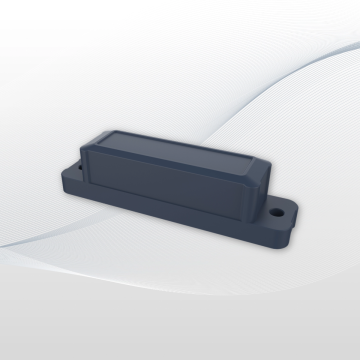
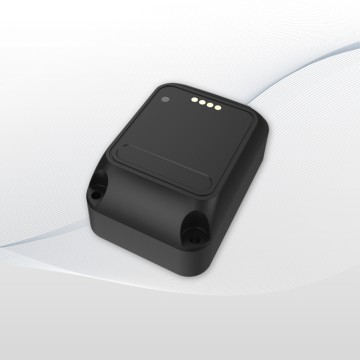
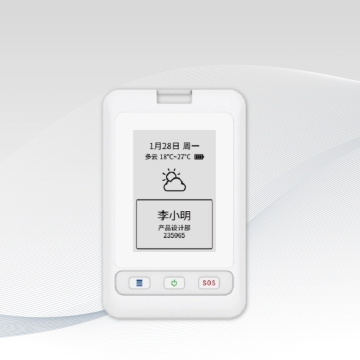
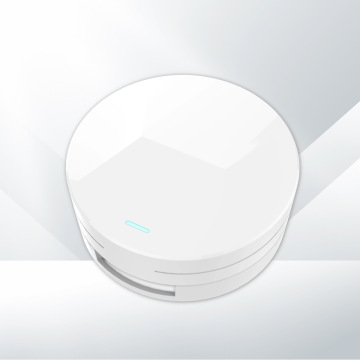
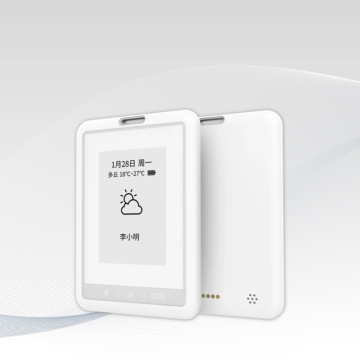
Overcoming the extreme physical constraints of high-density IT environments with industrial-grade precision.
eforthink Technology relies on its self-developed UWB (Ultra-Wideband) positioning technology to overcome multipath and non-line-of-sight (NLOS) influences in complex environments, achieving positioning accuracy better than 10 cm. Unlike traditional positioning methods like Wi-Fi or standard Bluetooth RSSI, which struggle in metallic, high-interference server halls, UWB transmits ultrashort pulses across a wide frequency spectrum, making it highly resilient to electromagnetic disturbances.

10cm Accuracy, UWB-Powered Positioning Core for pinpointing exact server rack locations.

Sub-millisecond transmission of positioning data, enabling live asset & personnel tracking.

A single positioning base station can carry over 1000 tags, supporting dense deployments.

Unaffected by multipath reflection, server metal racks, and other radio interference factors.

Intelligent power-saving algorithm reduces tag power consumption by 25%, extending cycle life.
How RTLS is revolutionizing physical security, compliance, and asset integrity in modern IT infrastructures.
In today's digital economy, data centers are no longer just storage units; they are the central engines of global cloud computing, AI model training, and enterprise operations. With the rise of hyperscale data centers and complex co-location facilities, managing physical security and high-value IT assets has become exceptionally challenging. Thousands of servers, switches, and storage arrays are housed in vast, multi-floor spaces. Concurrently, thousands of technicians, third-party contractors, and security personnel enter and leave these high-security environments daily.
Traditional access control systems like keycards and biometric scanners only secure the perimeter (the doorways). Once inside a server hall, there is a total blind spot regarding where personnel are, which server racks they are interacting with, and whether they are authorized to touch specific IT infrastructure assets. This visibility gap creates severe risks of unauthorized access, human error during maintenance, and physical asset theft. An Employee Indoor Location Tracking System powered by Ultra-Wideband (UWB) technology bridges this gap by providing continuous, real-time, centimeter-level location tracking of both personnel and physical assets.
"Physical security and compliance audits (such as SOC 2, ISO 27001, and PCI-DSS) require strict verification of who accessed which server rack, when, and for how long. RTLS provides automated, immutable digital audit trails to meet these rigorous regulatory standards."
By establishing digital geofences around individual server cages or even specific server racks, facility managers can enforce strict access control in real time. If a technician wearing an RTLS-enabled work ID card approaches a high-security server cage they are not scheduled to service, the system immediately triggers an alert. Security teams are notified instantly, and local alarms can prevent unauthorized entry before it occurs. This level of granular control is crucial for co-location facilities where multiple clients share the same physical server room.
High-value IT assets—such as blade servers containing proprietary AI algorithms or sensitive financial data—must be tracked throughout their entire lifecycle. When a new server arrives at the loading dock, an asset tracking tag is attached. The system monitors its journey through staging, installation, active operation, and eventual decommissioning. If a server is removed from its designated rack without an authorized work order, the indoor positioning system immediately flags the asset's movement, preventing internal theft and minimizing workflow bottlenecks.
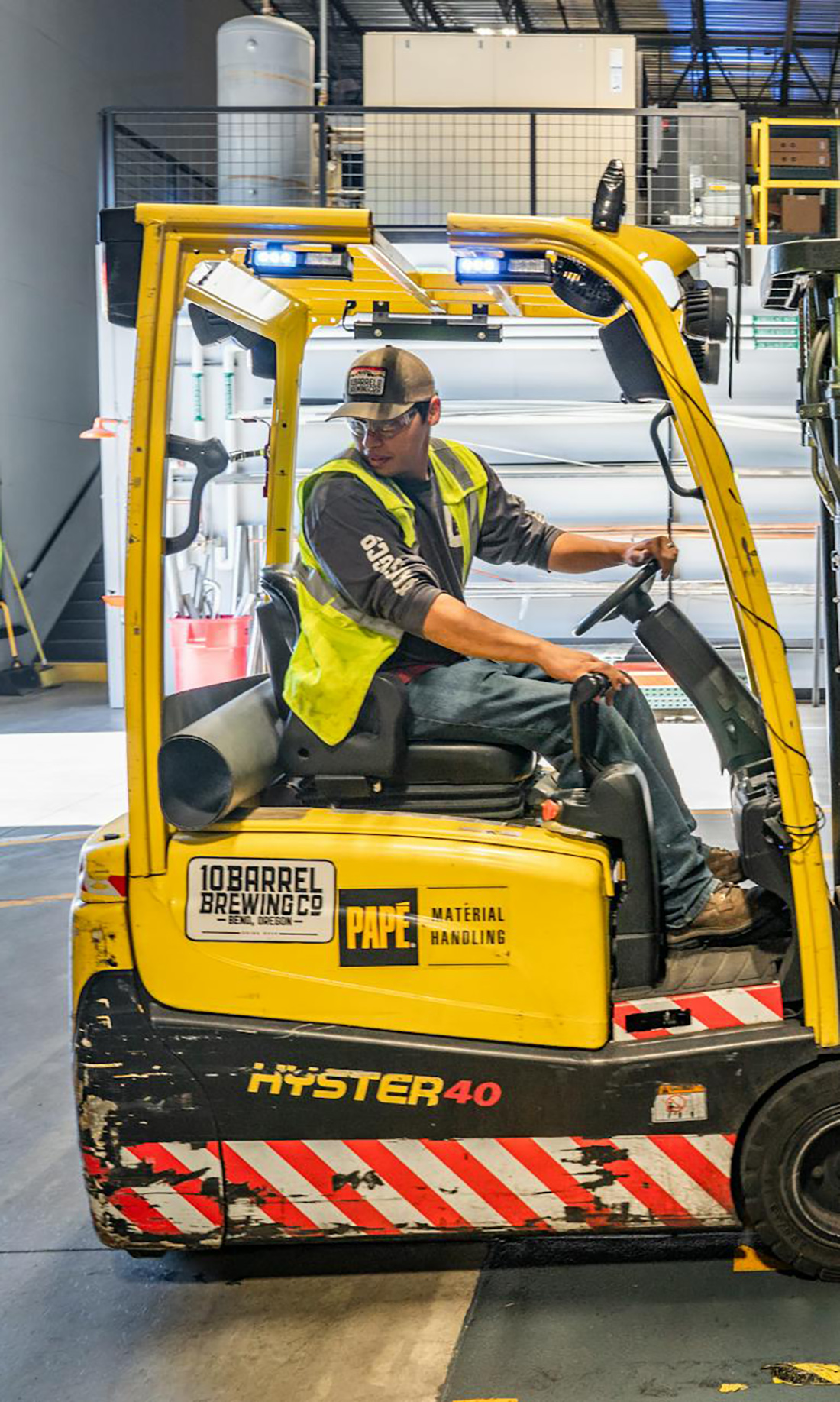
Data centers are dynamic environments where heavy machinery, such as server lifters and electric forklifts, operates alongside technicians in narrow aisles. Integrating RTLS into these vehicles allows for real-time collision warnings. If a technician is working behind a rack and a forklift approaches, both the vehicle operator and the pedestrian receive immediate haptic or visual alerts, lowering workplace collisions by over 90% in high-traffic corridors.
In the event of a fire, gas leak, or power disruption, knowing the exact indoor location of every employee is a matter of life and death. The RTLS platform automatically generates a real-time muster list, showing emergency response teams exactly who is still inside the facility and their precise coordinates. Additionally, smart wristbands with built-in fall detection and panic buttons allow employees to call for help instantly if they suffer an injury in remote parts of the facility.
Tailored location services to optimize security, safety, and efficiency across your facilities.

Reduces search time for misplaced assets by 70%+ and minimizes operational workflow bottlenecks.

Lowers workplace collisions by 90%+ in high-traffic areas like warehouses and assembly lines.

Eliminates tracking blind spots, ensuring 24/7 asset visibility across hybrid environments.
The convergence of IoT, AI, and digital twins in next-generation facilities.
The future of data center management lies in the integration of real-time location data with 3D digital twins. By combining UWB-based positioning with platforms like OpenBIM or Unity, operators can view a live, virtual replica of their entire facility. Technicians are represented as moving avatars, and assets are highlighted with color-coded operational statuses. This spatial visualization enables remote management teams to coordinate complex maintenance tasks, monitor thermal conditions, and manage space allocation with unprecedented precision.
Rather than relying solely on static rules and geofences, future systems will leverage artificial intelligence to analyze movement patterns. By establishing a baseline of normal employee behavior (e.g., standard routes, typical duration spent at specific racks), machine learning algorithms can detect anomalies in real time. If a technician exhibits erratic pathing or spends an unusual amount of time behind a critical database server, the system can flag this behavioral anomaly for security review, preventing insider threats before any data breach occurs.
To optimize deployment costs, future architectures will increasingly adopt hybrid tracking technologies. While high-security server halls will rely on high-precision UWB for centimeter-level tracking, peripheral areas (offices, lobbies, exterior parking lots) can utilize BLE (Bluetooth Low Energy) or differential GNSS. This hybrid approach ensures seamless tracking transitions from outdoor environments to deep indoor spaces, all managed under a single, unified software platform.
Comprehensive positioning hardware and software platforms for diverse operating environments.


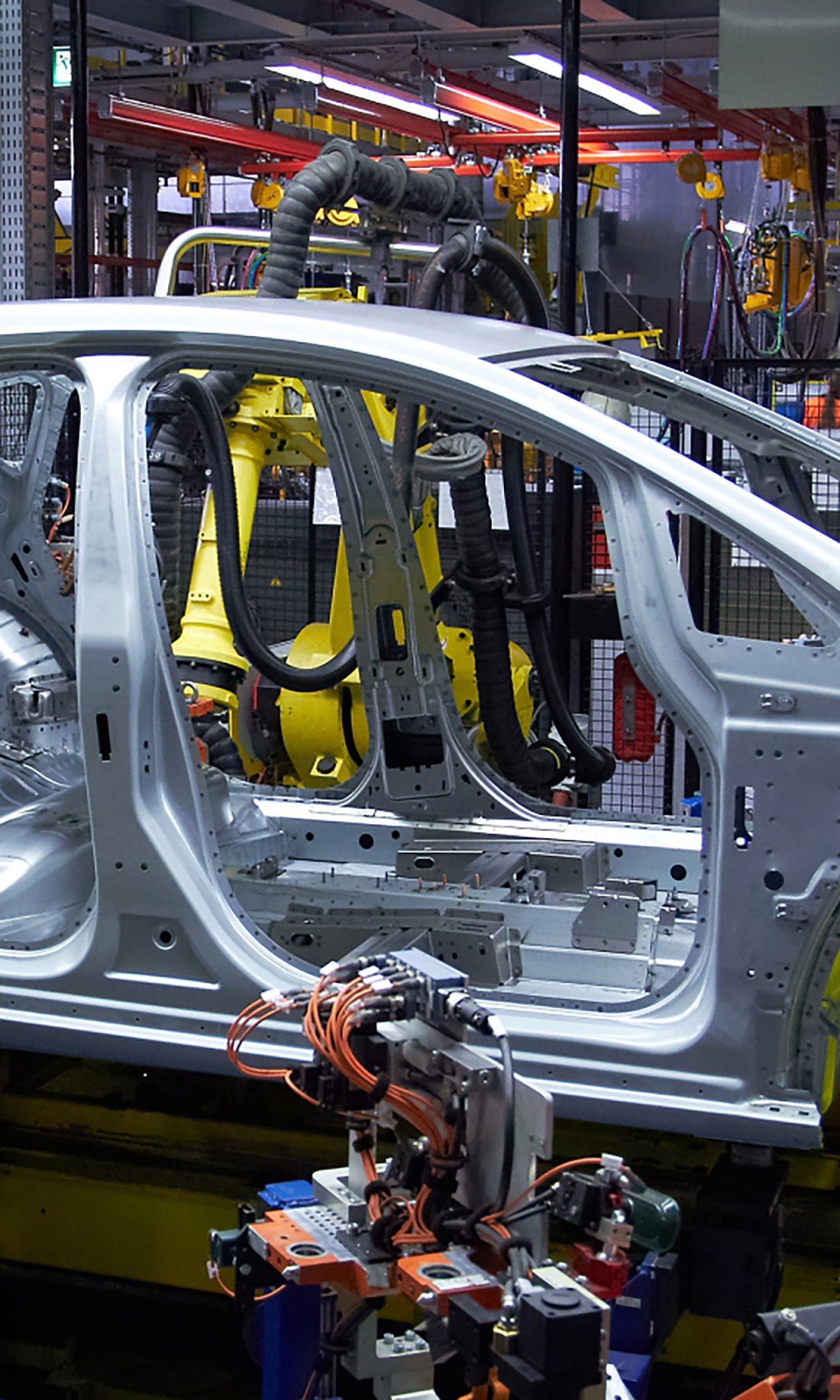
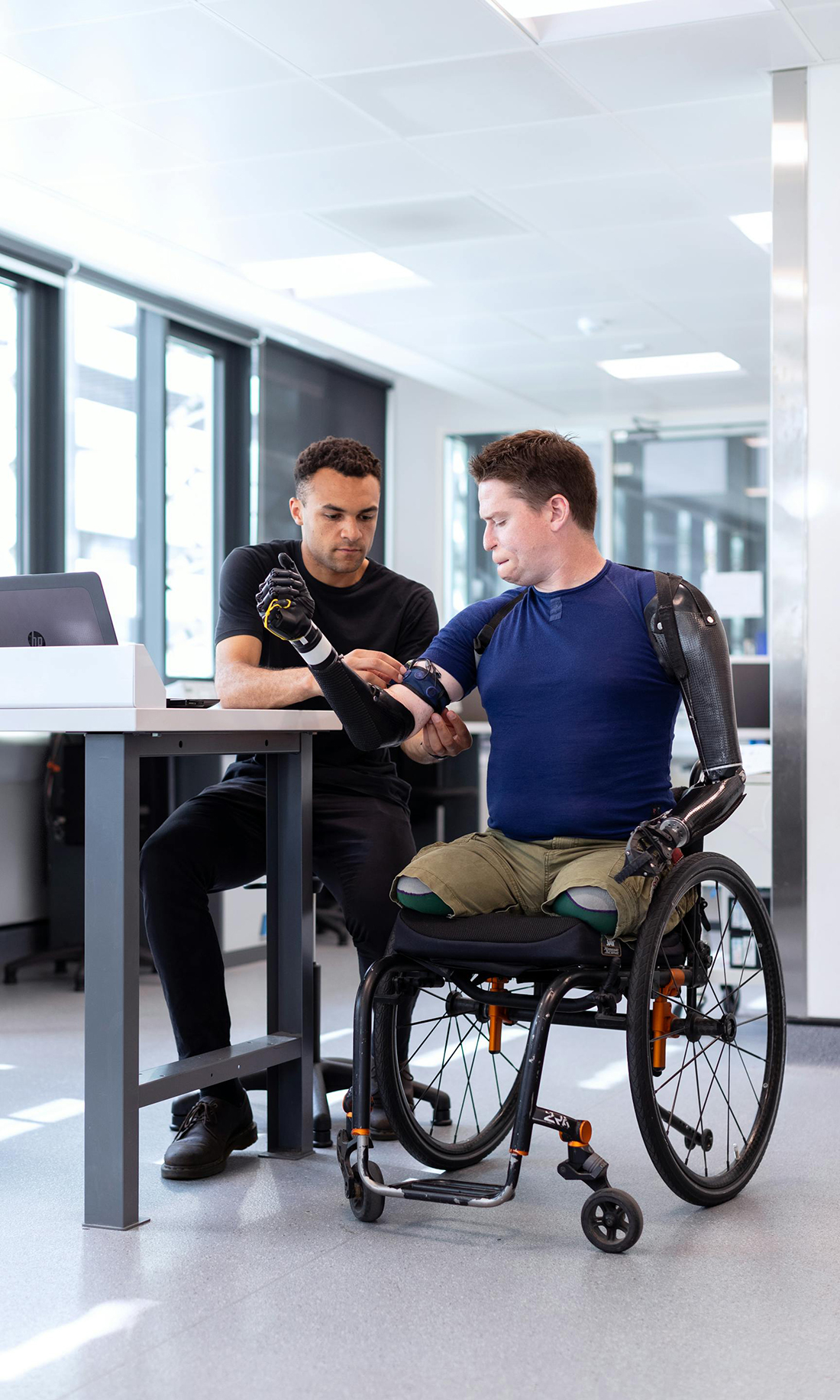
eforthink is a national high-tech enterprise in the field of IoT specializing in location services. Based on location sensing connectivity and our advanced aPaaS service platform, we offer partners one-stop location services integrating hardware, software, and algorithms. Our capabilities cover the entire lifecycle: product design, development, integration, production, manufacturing, sales, and after-sales support.
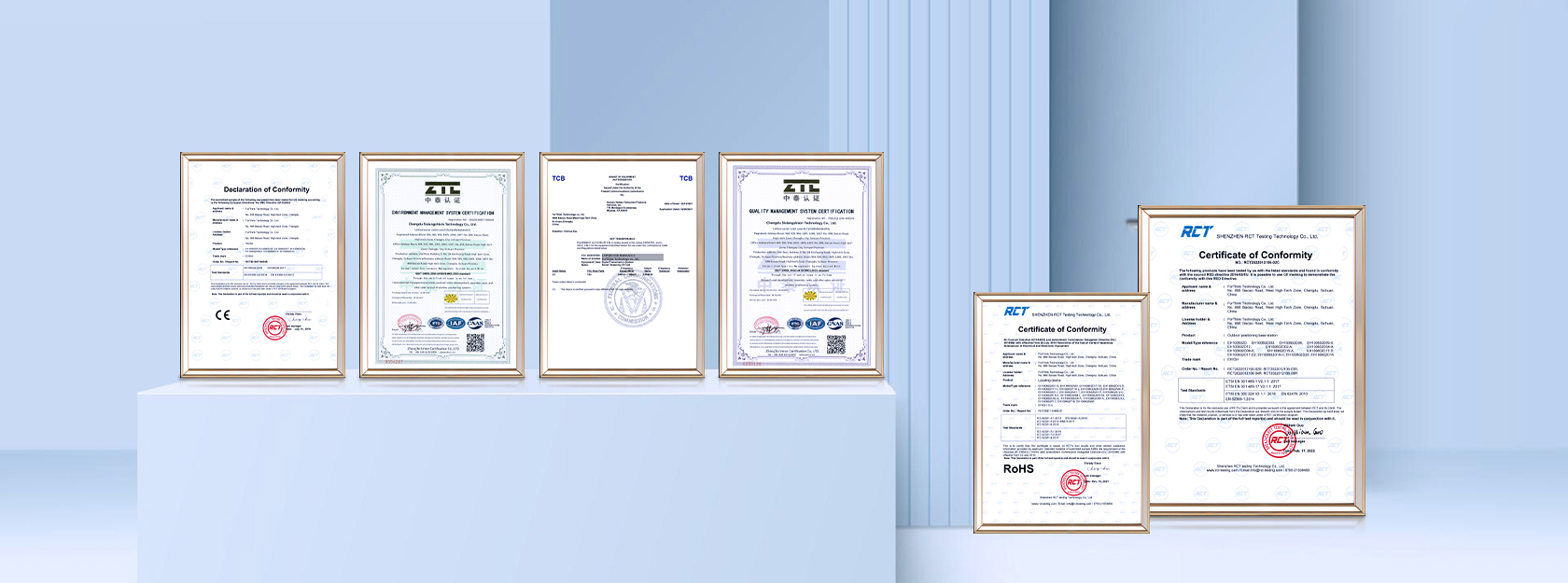
Our products and services are available in many countries and regions. We have developed model projects for many leading enterprises.










Explore our full line of UWB tags, anchors, GNSS cards, and Bluetooth beacons designed for industrial environments.