




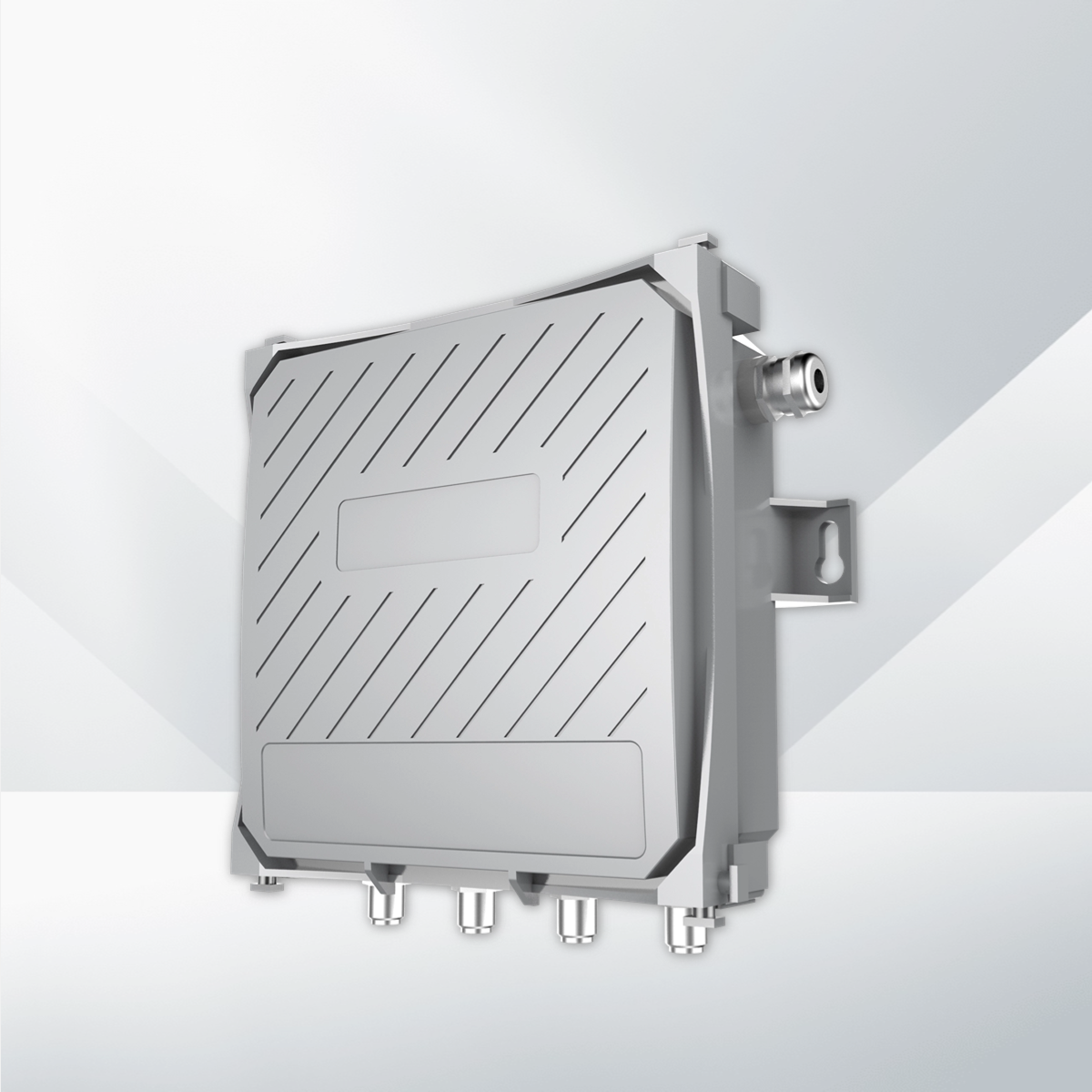
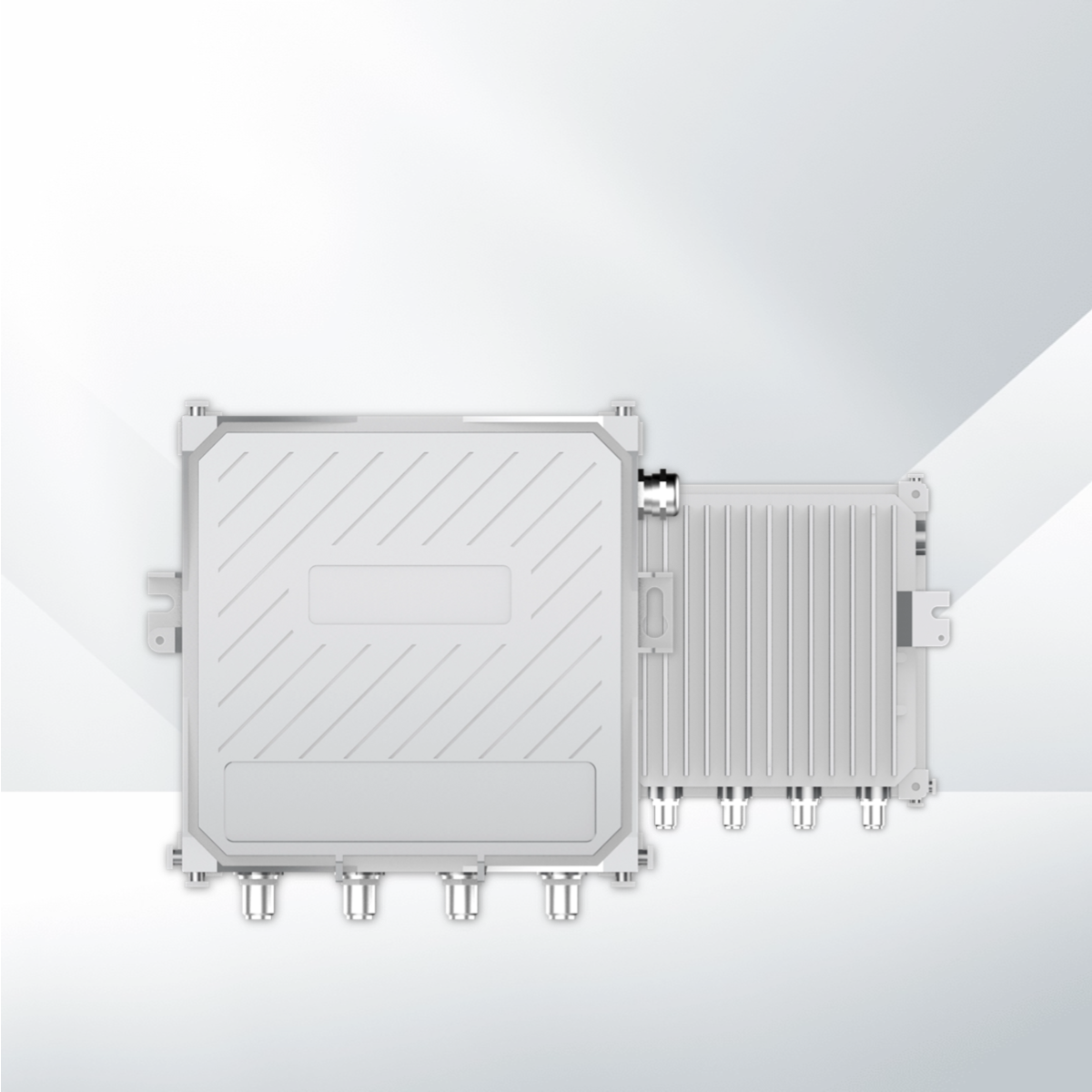
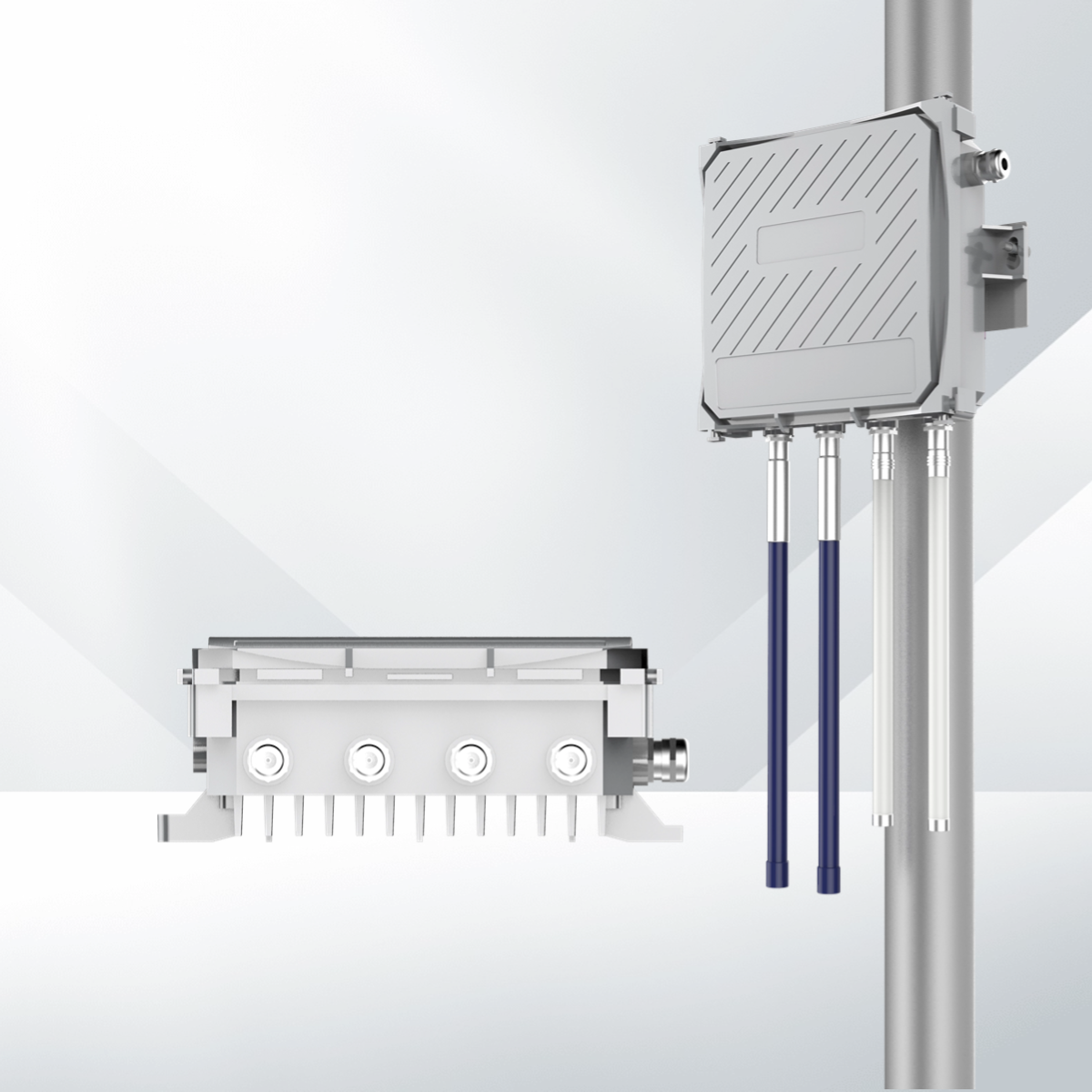
High-Precision UWB Dual-Channel Positioning Base Station - Reliable China Suppliers & Factory for RTLS Solutions
Advantages
Features
Parameters
Application
Core Technical Advantages
Advanced Positioning Capabilities
UWB technology supports UWB positioning with 10 cm precision and stable performance in obstructed areas. This precise positioning performance is designed for the same obstructed-area conditions.
Dual-Channel Operation
Spatial diversity supports 50-150 m omnidirectional coverage and one-dimensional coverage within 250 m.
RTLS Integration
The UWB anchor synchronizes data with backend servers through wired or wireless interfaces. RTLS technology integration uses these wired or wireless connections for backend synchronization.
Robust Hardware Design
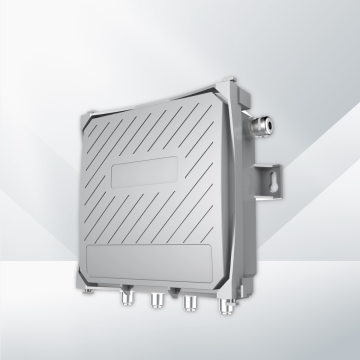
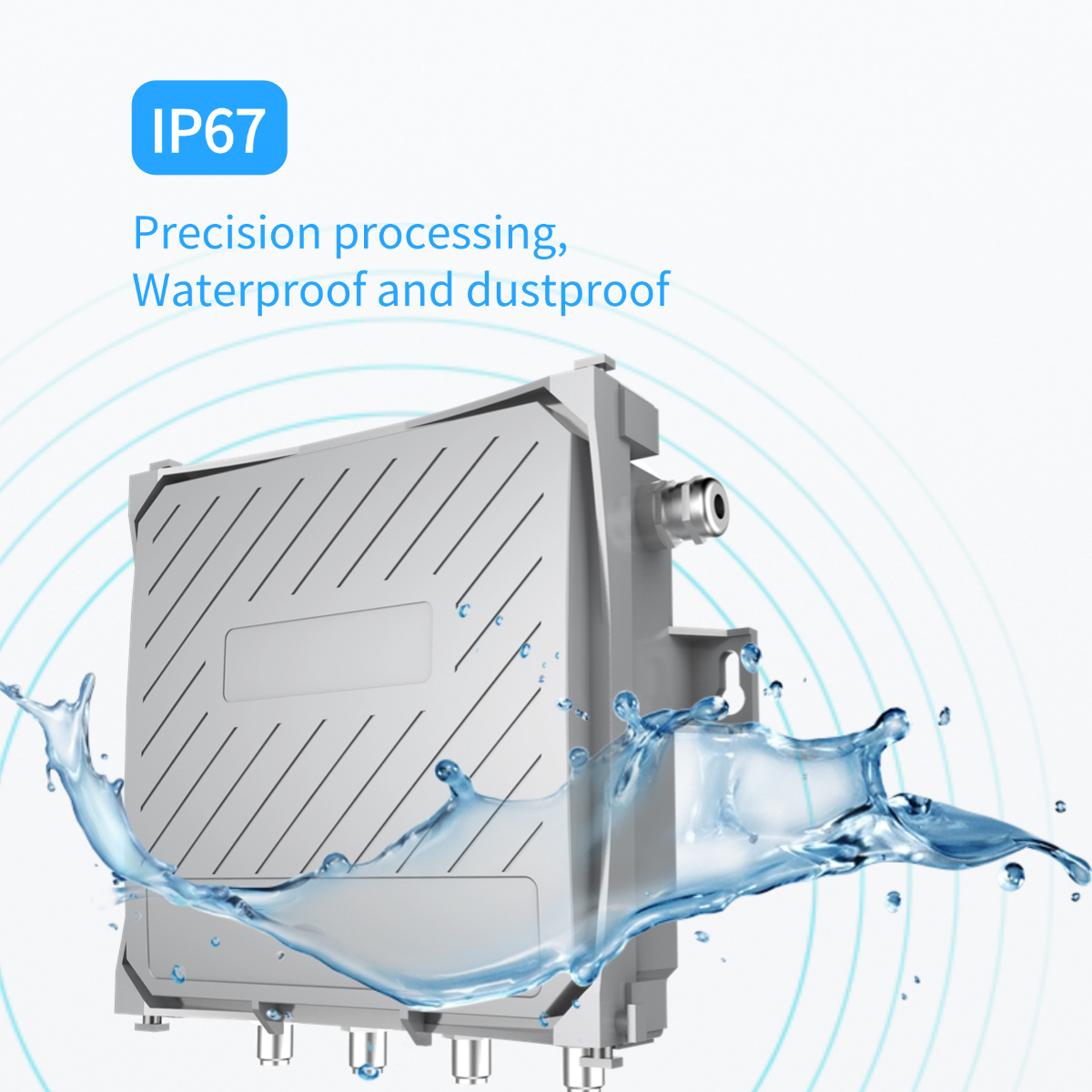
IP67 protection combines a cast-aluminum housing with waterproof and dustproof sealing.
High-Power Penetration
The base station is optimized for large-scale scenarios such as harbors and construction sites.
Product Features
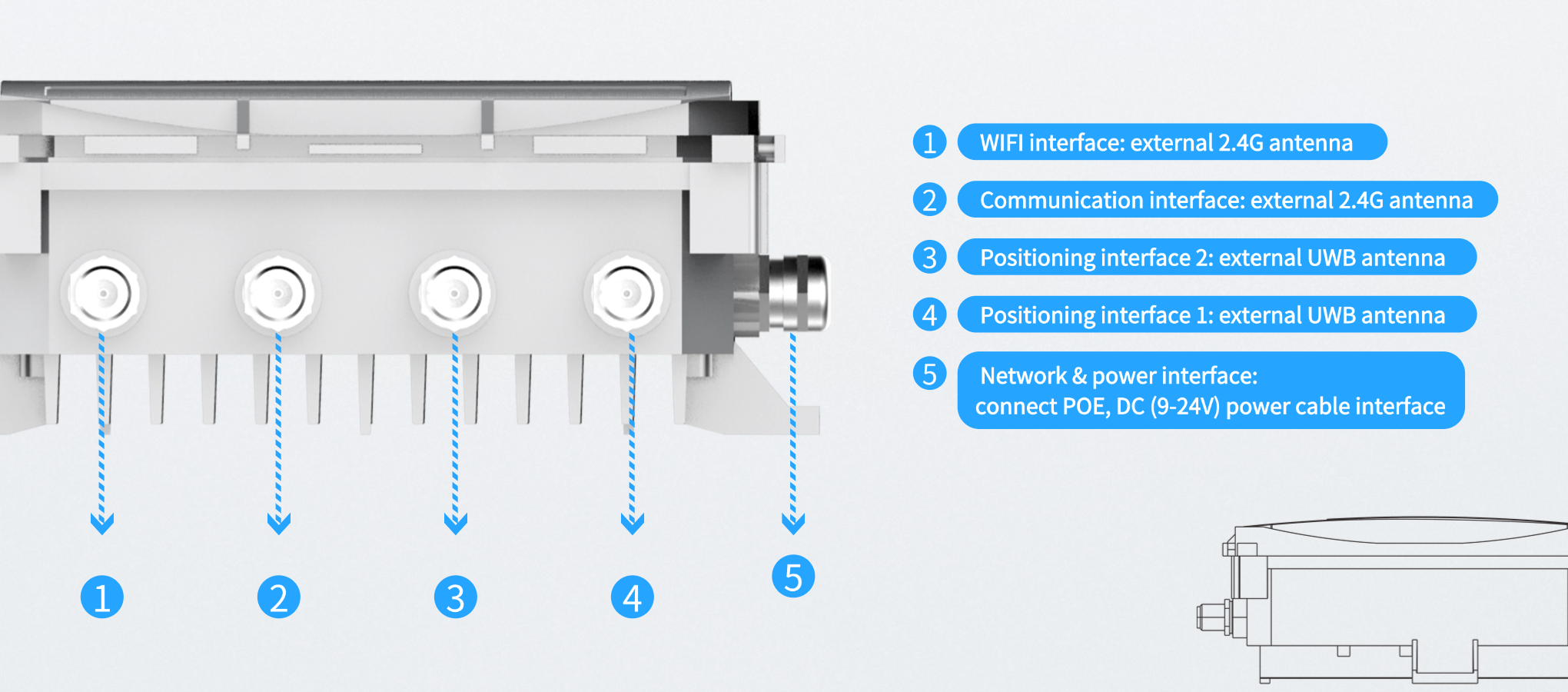
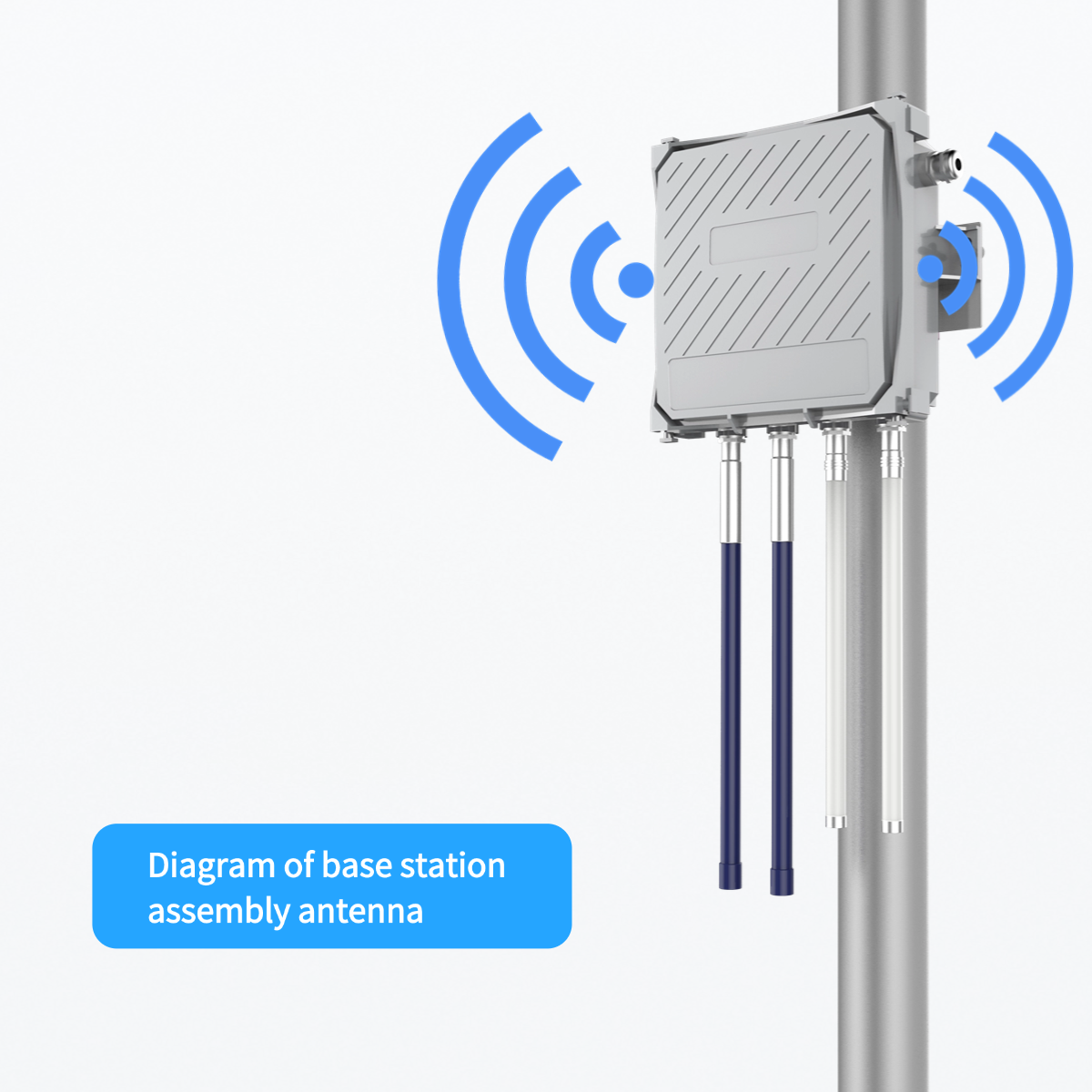
Base Station Antenna Assembly
External antennas, including omnidirectional fiberglass antennas, can connect directly through the N-type connector.
When an FRP antenna is used, a 10 cm clear zone around the antenna is required.
Antenna delay must be configured according to the supplied antenna delay parameters to maintain precise positioning accuracy.
BTS Diversity Reception
Dual antennas use spatial diversity for more robust UWB positioning performance.
The stated omnidirectional coverage distance is 50-150 m.

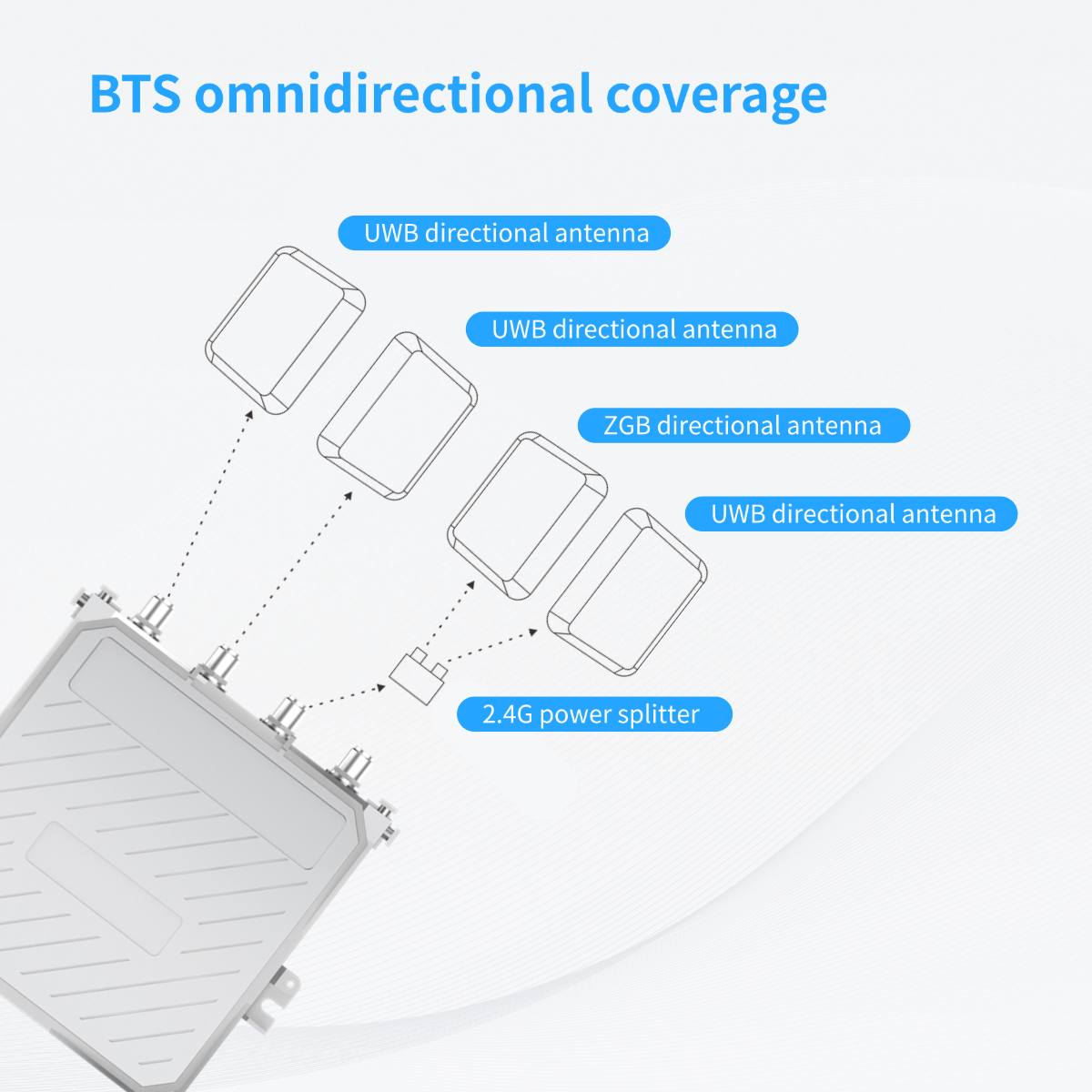
BTS 1D Coverage
Each UWB channel uses one directional antenna pointing to one side of the one-dimensional direction, and the two UWB antennas must be spaced at least 1 m apart.
Zigbee uses a power splitter or tee connector to split two directional antennas. The stated one-dimensional coverage is within 250 m.
Product Parameters
| Product Dimensions | 225x225x102mm |
| Positioning Technology | UWB |
| Power Supply Interface | 48V standard POE (IEEE802.3at), DC 5.5/2.5mm interface |
| Rated Power | 3.5W |
| Rated Power Supply Voltage/Current | 48V standard POE (802.3at), 9-24VDC;55mA@POE48V/210mA@DC12V |
| Rated Current | 80mA @ POE 48V / 300mA @ DC 12 |
| Antenna Type | External antenna, N-type external screw hole |
| Communication Wireless Standard | 802.15.4_ 2.4GHz |
| Communication Support Band | IEEE802.15.4 11~26 |
| Network Port Electrostatic Protection | 8kV (IEC61000-4-2 contact discharge) |
| Power Port Surge Protection | 2kV (IEC61000-4-4 using 1.2/50uS open-circuit voltage waveform) |
| Net Port Surge Protection | 2kV (IEC61000-4-4 using 1.2/50uS open circuit voltage waveform) |
| Function Configuration | Priority to receive emergency SOS messages from tag cards, tag card battery monitoring, “group call”, “individual call” and parameter reset for tag cards |
Application Scenarios

Construction Sites
RTLS technology supports scalable deployment for safety and efficiency on construction sites.

Harbors
UWB anchors support precise positioning for personnel and vehicle monitoring in harbors.

Large Parking Lots
A real time location system supports vehicle tracking in large parking lots.
Frequently Asked Questions (FAQ)
The base station delivers high-precision UWB positioning with an accuracy of up to 10 cm, maintaining stable tracking performance even in obstructed and complex industrial areas.
It provides 50 to 150 meters of omnidirectional coverage via spatial diversity, and up to 250 meters in one-dimensional (1D) linear coverage using directional antenna setups.
The device supports standard 48V POE (IEEE802.3at) as well as 9–24V DC power input through a DC 5.5/2.5mm interface, with a power consumption of only 3.5W.
It is housed in an IP67 waterproof and dustproof cast-aluminum casing, and features 8kV contact electrostatic protection alongside 2kV surge protection on power and network ports.
It includes prioritized reception of emergency SOS messages from tag cards, real-time tag battery monitoring, "group call" and "individual call" capabilities, and remote tag parameter configuration.
Antennas connect via N-type connectors. When using FRP antennas, ensure a 10 cm clear zone around the antenna. In 1D coverage setups, the two directional UWB antennas must be spaced at least 1 meter apart.
