
Leave Your Message
Precision indoor positioning hardware engineered for warehouse tracking, inventory logistics and industrial IoT deployments.
How real-time positioning technology is redefining inventory management, operational safety and supply chain efficiency.
The global smart warehouse market is undergoing a profound transformation. Driven by the explosive growth of e-commerce, the accelerating adoption of Industry 4.0 frameworks and rising consumer expectations for same-day delivery, logistics operators worldwide are under unprecedented pressure to optimize every square meter of their facilities. At the heart of this revolution lies indoor localization technology — a suite of wireless positioning systems capable of tracking assets, personnel, vehicles and inventory with centimeter-level accuracy inside GPS-denied environments.
Traditional GPS technology, while highly effective outdoors, becomes unreliable the moment a signal enters a building. Concrete walls, metal racking, dense machinery and multi-floor structures all attenuate satellite signals beyond usable thresholds. Warehouses, manufacturing plants, cold-storage facilities and distribution centers are precisely the environments where GPS fails most severely — yet accurate real-time positioning is most critically needed.
Indoor localization technologies fill this gap using a range of radio-frequency, optical and inertial approaches. The most commercially significant today include Ultra-Wideband (UWB), Bluetooth Low Energy (BLE) with AoA/AoD, Wi-Fi RTT, RFID, LiDAR-SLAM and Computer Vision. Each technology offers distinct trade-offs in accuracy, cost, infrastructure complexity and scalability — and the optimal solution for any given warehouse depends on the specific operational requirements.
Across the industrial landscape, indoor positioning has moved decisively from pilot projects into large-scale deployments. Tier-1 automotive manufacturers use UWB-based RTLS to track work-in-progress (WIP) components across assembly lines with sub-10 cm precision. Major third-party logistics (3PL) providers deploy BLE beacon networks to guide pickers through multi-level distribution centers, cutting order fulfillment time by up to 35%. Cold-chain operators integrate RTLS with temperature monitoring to ensure perishable goods are located and dispatched within compliance windows.
The integration of indoor positioning with Warehouse Management Systems (WMS), Enterprise Resource Planning (ERP) platforms and Digital Twin environments represents the current frontier of commercial adoption. When every pallet, forklift, operator and dock door exists as a live data point on a digital warehouse map, decision-making shifts from reactive to predictive — enabling operators to rebalance workloads, anticipate bottlenecks and dynamically reroute vehicles before delays occur.
eforthink Technology relies on its self-developed UWB positioning technology to overcome multipath and non-line-of-sight influences in complex environments, achieving positioning accuracy better than 10 cm — the gold standard for industrial indoor localization.
In warehouse environments packed with metal shelving, forklifts, conveyor systems and dense inventory, conventional radio technologies suffer from severe multipath interference. UWB's ultra-wide frequency bandwidth (typically 500 MHz to several GHz) allows it to resolve multipath components individually, delivering precise time-of-flight measurements that translate directly into centimeter-accurate positions — regardless of environmental complexity.
Explore UWB Technology →
10 cm accuracy — UWB-powered positioning core for warehouse asset tracking.

Sub-millisecond transmission of positioning data for live inventory visibility.

Single base station supports 1,000+ tags — scales with your entire warehouse fleet.

Unaffected by multipath reflection and radio interference in metal-dense warehouses.

Intelligent power-saving algorithm reduces tag power consumption by 25% — extending battery life across thousands of deployed tags.
The technology landscape is evolving rapidly. Here are the six most impactful trends shaping the future of smart warehouse positioning.
Machine learning algorithms are being integrated directly into positioning middleware to filter sensor noise, predict tag trajectories and deliver smoother, more accurate location streams — even when tags momentarily lose anchor line-of-sight.
Hybrid positioning engines fusing UWB with BLE beacons and inertial measurement units (IMUs) deliver seamless coverage across mixed environments — from high-rack storage zones requiring cm accuracy to open dispatch areas where BLE suffices.
Live RTLS data feeds directly into 3D digital twin models of warehouse facilities, enabling operators to visualize every asset, worker and vehicle in real time — and run predictive simulations before making operational changes.
UWB positioning is becoming the preferred navigation reference for autonomous guided vehicles and autonomous mobile robots, providing the sub-10 cm accuracy required for safe, efficient operation alongside human workers in shared spaces.
Next-generation positioning platforms are cloud-native, offering RESTful APIs, real-time WebSocket data streams and seamless integration with WMS, ERP and MES systems — enabling enterprise-wide location intelligence at scale.
Safety-critical applications like forklift collision avoidance demand sub-100 ms response times. Edge-deployed positioning engines process location data locally, eliminating cloud round-trip latency and ensuring fail-safe operation even during network outages.
eforthink delivers end-to-end indoor positioning solutions that transform warehouse operations — from real-time asset tracking to AI-driven productivity optimization.

Reduces search time for misplaced warehouse assets by 70%+ and minimizes workflow bottlenecks across your entire distribution center.
Read More
Lowers workplace collisions by 90%+ in high-traffic warehouse areas and assembly lines — protecting workers and reducing downtime.
Read More
Eliminates tracking blind spots, ensuring continuous asset visibility across hybrid warehouse and logistics environments around the clock.
Read More
Boosts logistics productivity by 15–25% through data-driven workflow redesign powered by real-time positioning analytics.
Read MoreIndoor localization technology unlocks transformative capabilities across every layer of modern warehouse and logistics operations.
UWB-tagged pallets and bins enable automated, continuous inventory cycle counting without stopping operations. The system detects discrepancies between physical locations and WMS records in real time, triggering alerts and dramatically reducing annual inventory write-offs.
Every forklift is equipped with a UWB tag, enabling the WMS to assign the nearest available vehicle to each pick task, monitor speed compliance in pedestrian zones, generate utilization heat maps and enforce geofenced access restrictions around hazardous areas.
Wearable UWB/BLE tags on warehouse personnel enable real-time proximity alerts when workers enter forklift operating zones, track ergonomic exposure (time spent in repetitive-motion areas) and provide electronic mustering during emergency evacuations.
In high-bay automated storage and retrieval systems (AS/RS), UWB positioning verifies that stacker cranes deposit and retrieve loads at the correct bin locations, catching misplacements that would otherwise result in costly inventory errors and retrieval failures.
In pharmaceutical, food and chemical cold-chain warehouses, RTLS combined with environmental sensors creates a complete audit trail — recording precisely where temperature-sensitive goods were located, for how long and under what conditions throughout their warehouse dwell time.
Indoor-outdoor hybrid positioning (UWB inside, GNSS fusion at yard perimeters) enables seamless tracking of trailers, containers and pallets as they transition between yard staging areas and dock doors — eliminating the "dock door blindspot" that plagues conventional WMS implementations.
A national high-tech enterprise specializing in location services in the field of the Internet of Things, the company is based on location information services, linking to the IoT smart ecosystem for warehouses and logistics.
 UWB Tags
 UWB Anchors
 UWB Modules
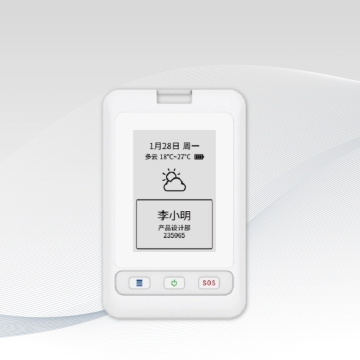
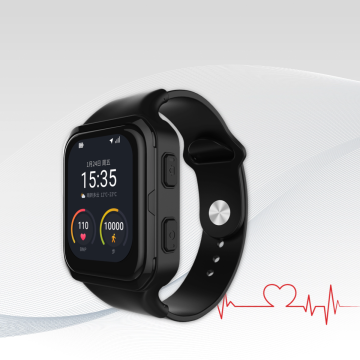
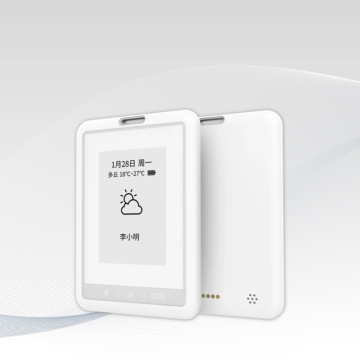


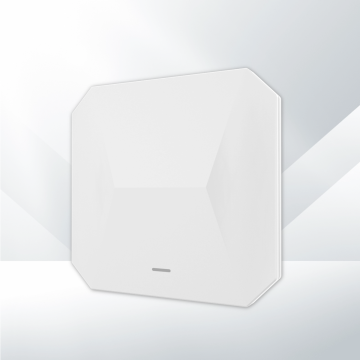
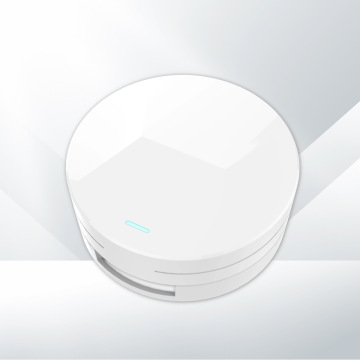
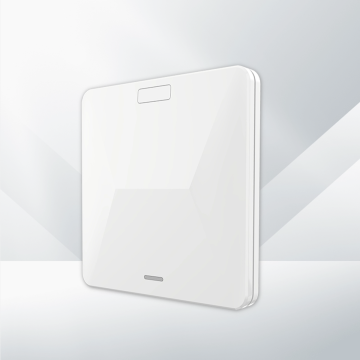
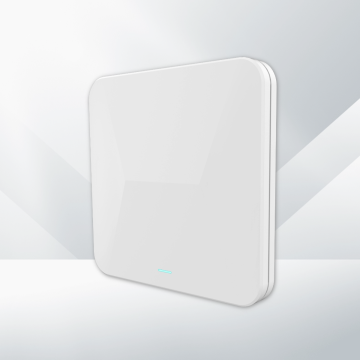

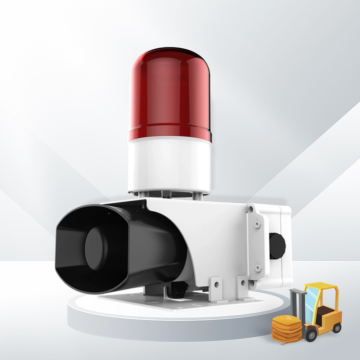
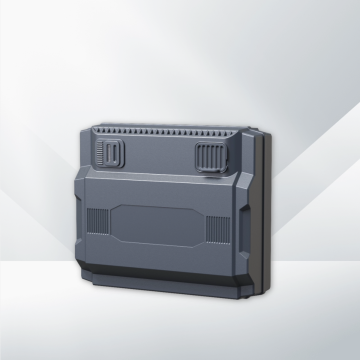
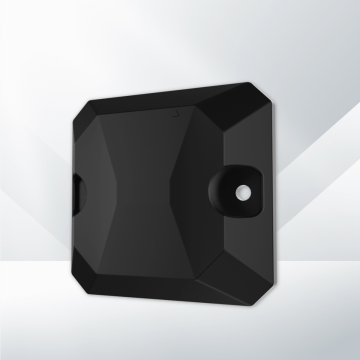
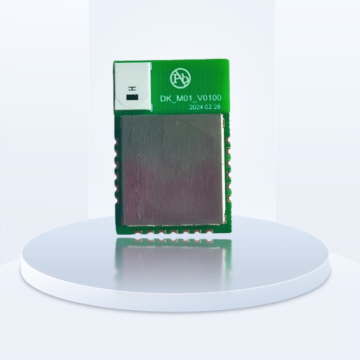
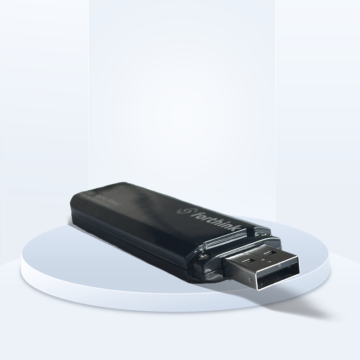
eforthink offers comprehensive solutions encompassing hardware development, platform creation, deployment and system integration for industrial manufacturing, logistics, automotive, forklift safety and healthcare.
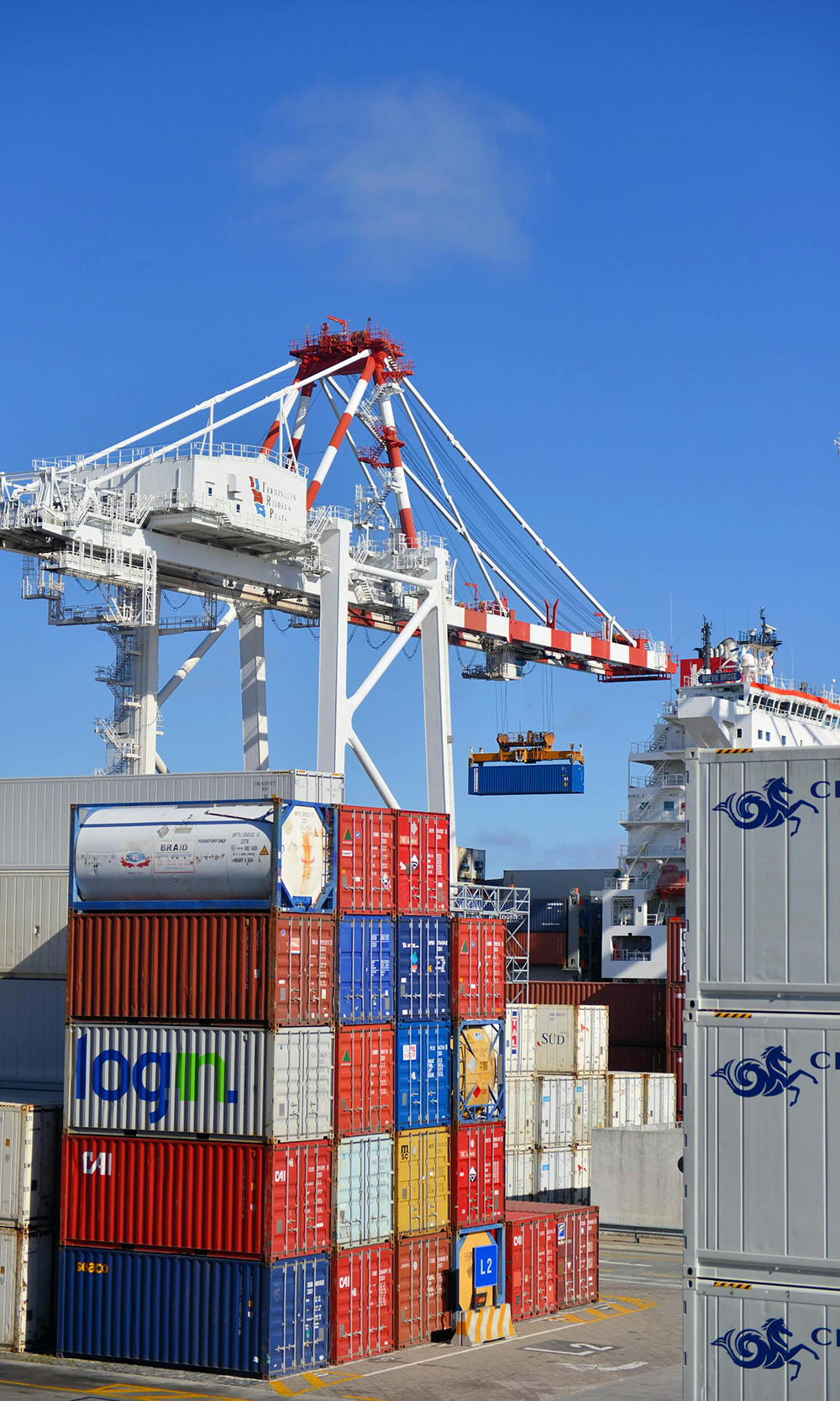

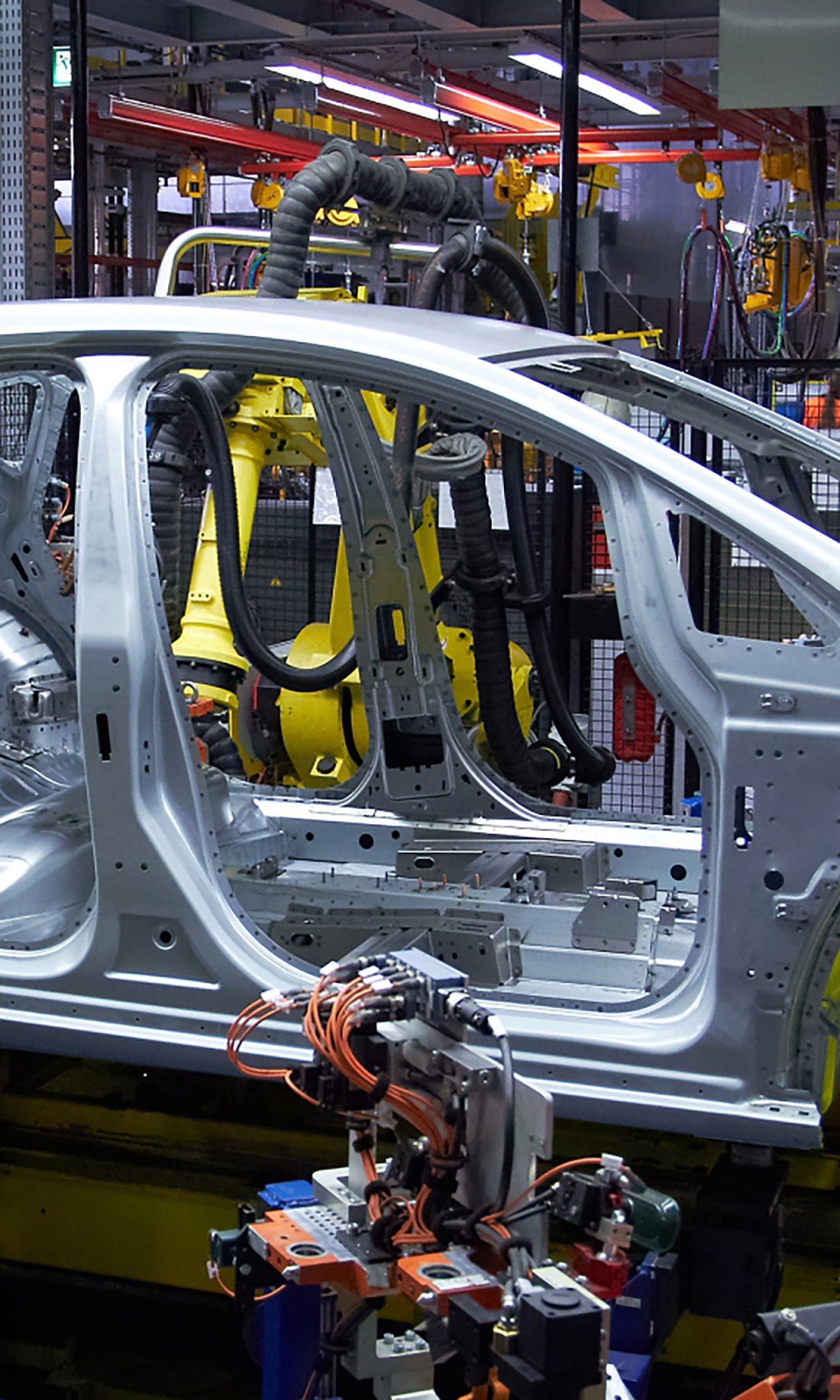
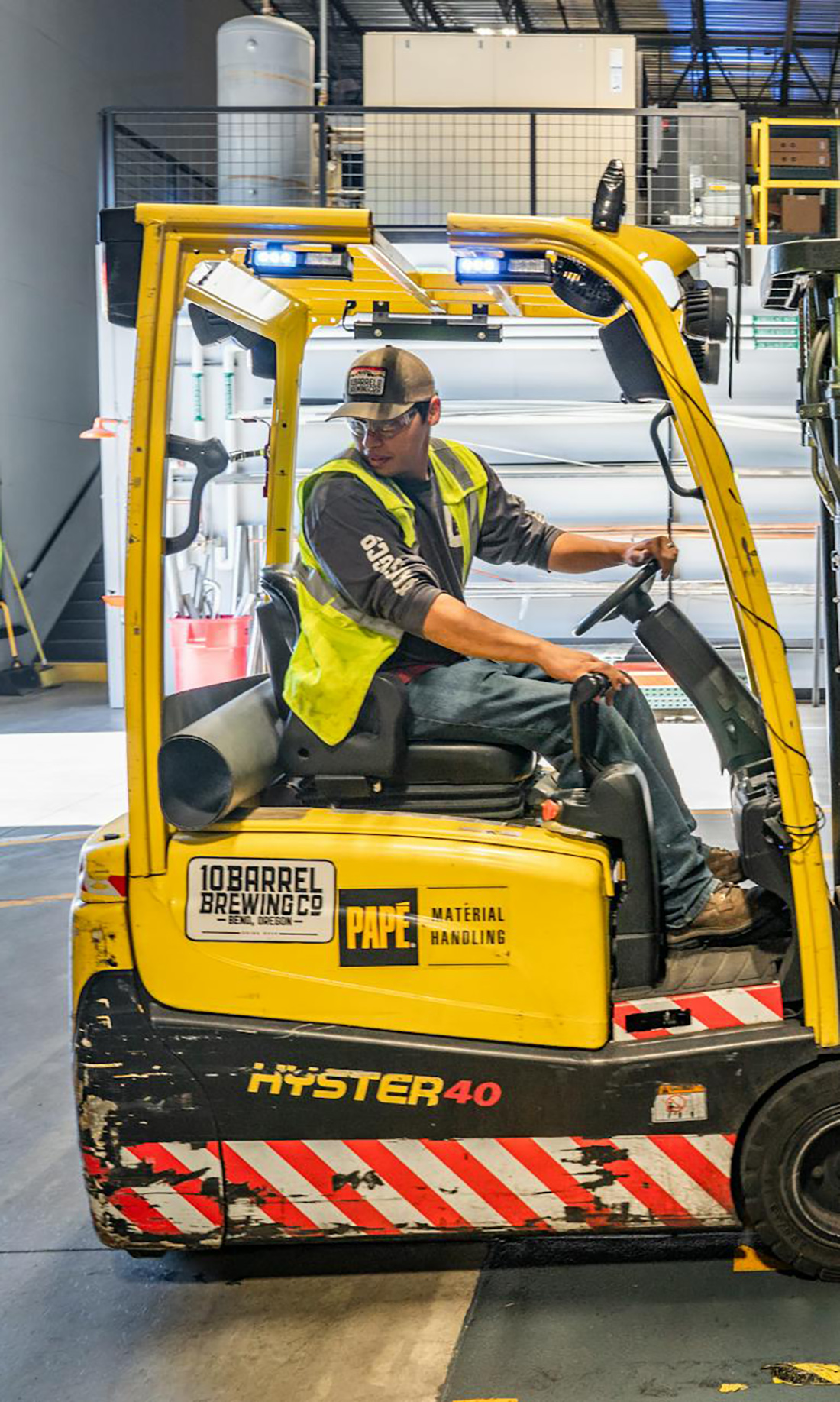
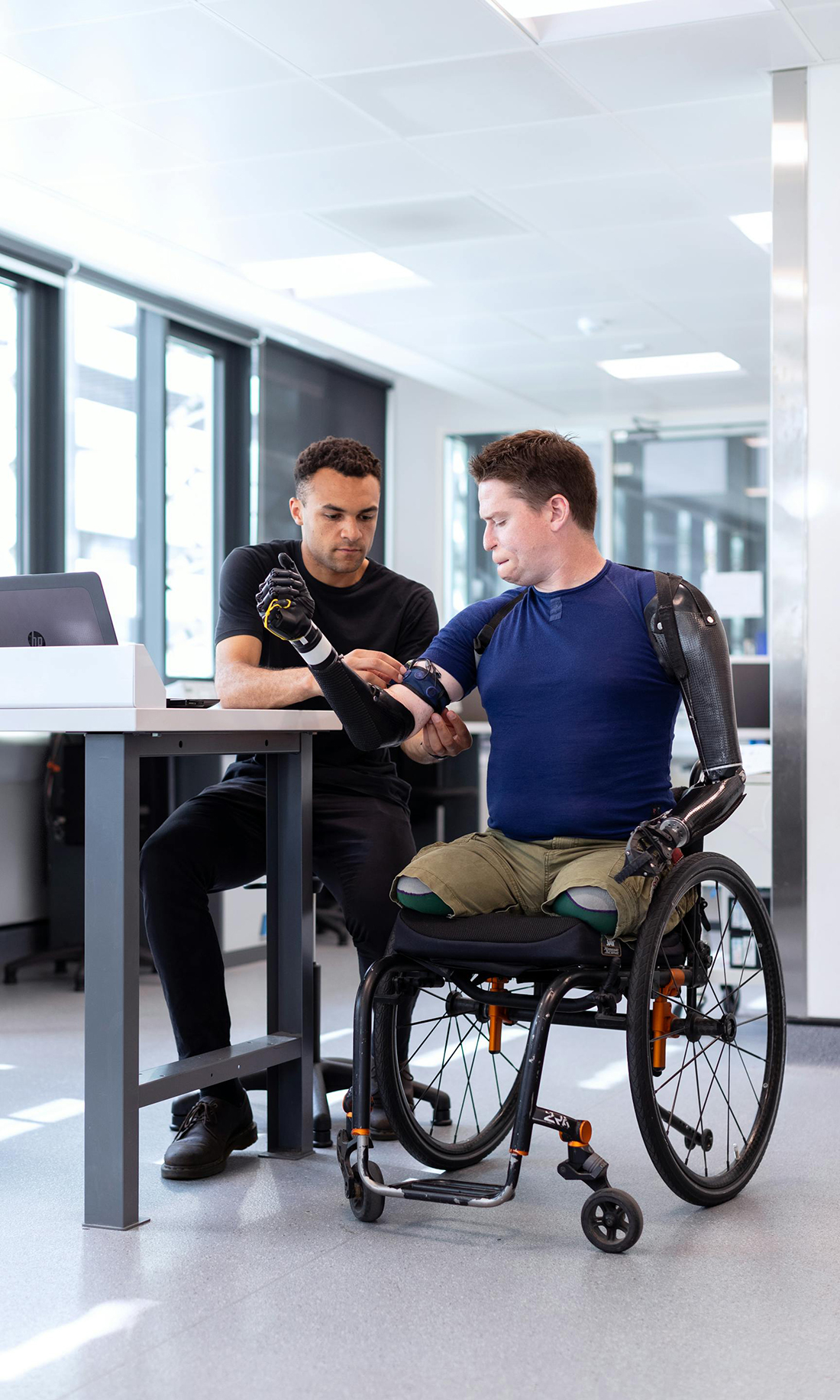
eforthink is a national high-tech enterprise in the field of IoT specializing in location services. Based on location sensing connectivity and the aPaaS service platform, it offers partners one-stop location services that integrate hardware, software and algorithms — covering the entire process from product design, development, integration, production, manufacturing, sales and after-sales support.
With deep expertise in UWB, BLE and multi-sensor fusion positioning, eforthink has become the trusted partner for leading enterprises across industrial manufacturing, smart logistics, automotive assembly, forklift safety and healthcare — delivering turnkey RTLS solutions that are proven at scale.
From explosion-proof anchors to wearable UWB tags — eforthink's full product portfolio covers every indoor positioning scenario in smart warehouses and logistics facilities.
Our products and services are available in many countries and regions. We have developed model projects for many leading enterprises.










eforthink's UWB and BLE positioning solutions deliver the accuracy, reliability and scalability your smart warehouse demands. From single-facility pilots to enterprise-wide RTLS deployments — our team of positioning experts is ready to design the right solution for your logistics operation.
Get a Free Consultation →