
Leave Your Message
Purpose-built RTLS hardware designed for industrial environments, hazardous zones, and large-scale construction sites requiring accurate real-time positioning.


A deep dive into the commercial and technological forces reshaping construction site safety and asset management.
Industrial Real-Time Location Systems (RTLS) have evolved from niche technology into a foundational pillar of modern construction site operations. As project scales grow larger, timelines tighter, and regulatory safety requirements more stringent, the ability to know the precise location of every worker, tool, and piece of equipment at any given moment has shifted from a "nice-to-have" to an operational imperative.
The global RTLS market was valued at over USD 5 billion in 2023 and is projected to surpass USD 15 billion by 2030, with the construction and industrial safety segments among the fastest-growing verticals. Several forces are converging to drive this growth:
Construction environments are notoriously challenging for positioning technology. Steel reinforcement, concrete walls, heavy machinery, and dynamic site layouts create multipath interference and signal reflection that defeat conventional GPS, Wi-Fi, and Bluetooth-based systems. Ultra-Wideband (UWB) technology addresses these challenges fundamentally:
For construction site applications where the difference between safe and unsafe positioning can be measured in centimeters — a worker near an excavation edge, a tool approaching a high-voltage zone — UWB's precision is not a specification detail, it is a life-safety requirement.
eforthink Technology relies on its self-developed UWB positioning technology to overcome multipath and non-line-of-sight influences in complex environments, achieving positioning accuracy better than 10 cm. This makes UWB the undisputed choice for construction sites where centimeter-level precision determines safety outcomes.
Unlike conventional radio technologies, UWB transmits across an extremely wide frequency spectrum, allowing it to pass through obstacles while measuring time-of-flight with nanosecond precision — translating directly to centimeter-level spatial accuracy regardless of environmental complexity.
Explore UWB Technology →
10 cm accuracy — UWB-Powered Positioning Core for construction safety zones

Sub-millisecond transmission of positioning data for instant hazard alerts

Single positioning base station can carry over 1,000 tags simultaneously

Unaffected by multipath reflection and radio interference on construction sites

Intelligent power-saving algorithm reduces tag power consumption by 25%
From real-time worker tracking to equipment collision prevention, eforthink's RTLS platform delivers measurable safety and productivity outcomes across every phase of construction.

Reduces search time for misplaced assets and missing workers by 70%+ and minimizes workflow bottlenecks across large construction sites.
Read More
Lowers workplace collisions by 90%+ in high-traffic construction zones, excavation areas, and material staging areas with real-time proximity alerts.
Read More
Eliminates tracking blind spots, ensuring round-the-clock asset visibility across multi-floor, underground, and hybrid construction environments.
Read More
Boosts on-site productivity by 15–25% through data-driven workflow redesign using RTLS position analytics and heat mapping.
Read MoreIndustrial RTLS is not a single solution — it is a platform enabling dozens of overlapping safety and efficiency applications across every stage of a construction project lifecycle.
High-value tools — torque wrenches, laser levels, concrete drills — represent tens of thousands of dollars in assets on any large site. RTLS tags attached to each tool provide sub-10 cm location data, instant alerts when tools leave designated zones, and automated check-in/check-out logs. Studies show RTLS reduces tool loss and theft by up to 65%, directly impacting project budgets.
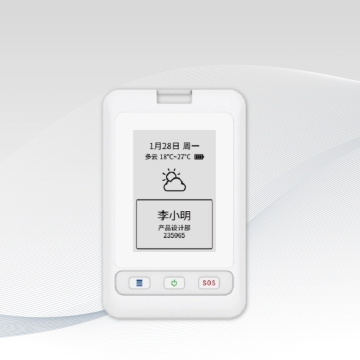
Geo-fencing with UWB precision creates virtual safety perimeters around excavation edges, crane swing radii, high-voltage panels, and confined spaces. Workers wearing RTLS-enabled ID cards receive instant vibration alerts when approaching danger zones, while site managers receive real-time dashboard notifications. Unauthorized access events are automatically logged for compliance reporting.
In a fire, gas leak, or structural emergency, knowing where every worker is located in real time can be the difference between life and death. RTLS enables automated muster point reporting — site managers instantly see who has evacuated and who remains in the hazard zone — dramatically improving emergency response times compared to manual roll calls.
Excavators, bulldozers, and mobile cranes create serious strike-hazard zones that shift dynamically as work progresses. RTLS integrates equipment telemetry with worker wearable tags to calculate real-time proximity, triggering machine slowdowns and audible alarms when workers enter the danger envelope. This application alone has reduced heavy-equipment-related fatalities by over 80% in pilot deployments.
RTLS position data aggregated over time reveals patterns invisible to site managers — bottlenecks where workers consistently wait, paths that waste transit time, equipment that sits idle. Advanced analytics dashboards transform raw location history into actionable workflow redesign recommendations, delivering measurable productivity improvements of 15–25% within months of deployment.
Construction sites face increasing regulatory scrutiny with requirements for documented safety training attendance, hazardous zone access records, and incident timeline reconstruction. RTLS automatically generates timestamped location logs that serve as admissible digital evidence for safety audits, insurance claims, and legal proceedings — eliminating manual documentation overhead while improving compliance accuracy.
The next decade will see RTLS evolve from a standalone safety tool into a deeply integrated intelligence layer across the entire construction ecosystem.
Machine learning algorithms analyzing RTLS movement patterns will predict near-miss events before they happen — identifying unusual worker behavior, detecting fatigue through gait analysis, and flagging high-risk proximity patterns that precede accidents. This shift from reactive to predictive safety represents the most transformative near-term development in construction RTLS.
RTLS feeds will become the real-time data layer powering construction digital twins — enabling live BIM models that reflect actual site conditions rather than planned states. This integration creates unprecedented situational awareness for remote project managers and supports augmented reality overlays for on-site navigation and quality control.
Next-generation construction wearables will combine UWB positioning with biometric monitoring — heart rate, body temperature, fall detection, gas exposure — creating comprehensive worker health and safety profiles updated in real time. The evolution from simple location tags to intelligent safety wearables is already underway, with explosion-proof smart ID cards and health-monitoring wristbands leading the market.
The rollout of private 5G networks on large construction sites will complement UWB RTLS with high-bandwidth backhaul, enabling real-time video streaming alongside position data, remote equipment operation, and edge computing for on-site AI processing — all unified through a single network infrastructure.
RTLS data on equipment utilization and worker movement is increasingly being used to optimize fuel consumption, reduce idle time on diesel machinery, and minimize unnecessary transportation on site — contributing to construction sustainability targets and ESG reporting requirements that are becoming standard across the industry.
Immutable blockchain ledgers storing RTLS-generated safety compliance records are emerging as a solution for multi-party construction projects where safety data integrity must be independently verifiable — particularly in public infrastructure projects subject to government audit and contractual performance guarantees.
A national high-tech enterprise specializing in location services in the field of the Internet of Things — based on location information services, linking to the IoT smart ecosystem.
 UWB Tags
 UWB Anchors
 UWB Modules


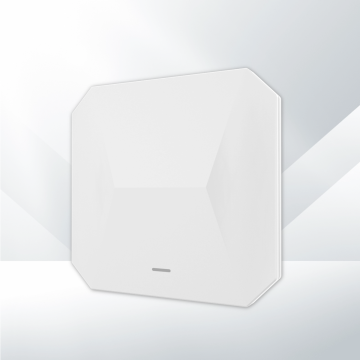

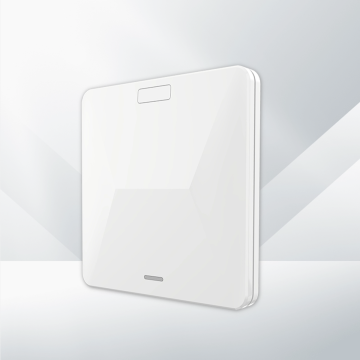


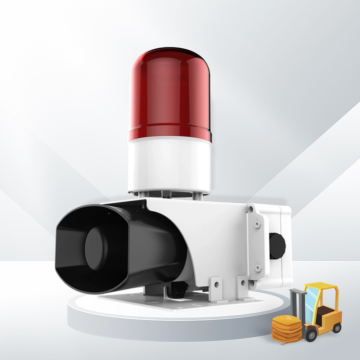

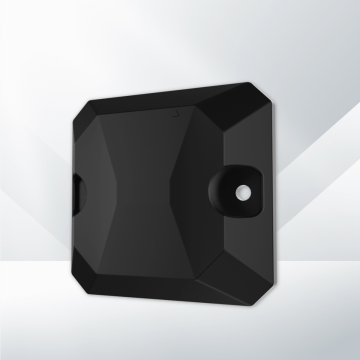
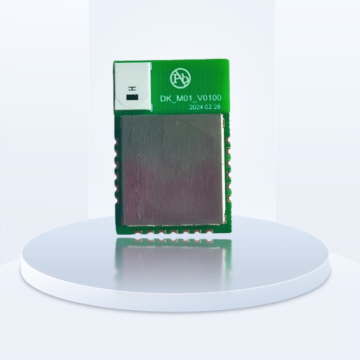
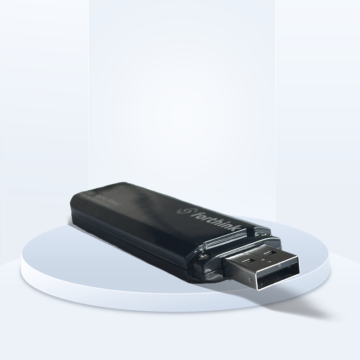
eforthink offers comprehensive solutions encompassing hardware development, platform creation and deployment, and system integration for industrial manufacturing, logistics, automotive, forklift security, and healthcare.
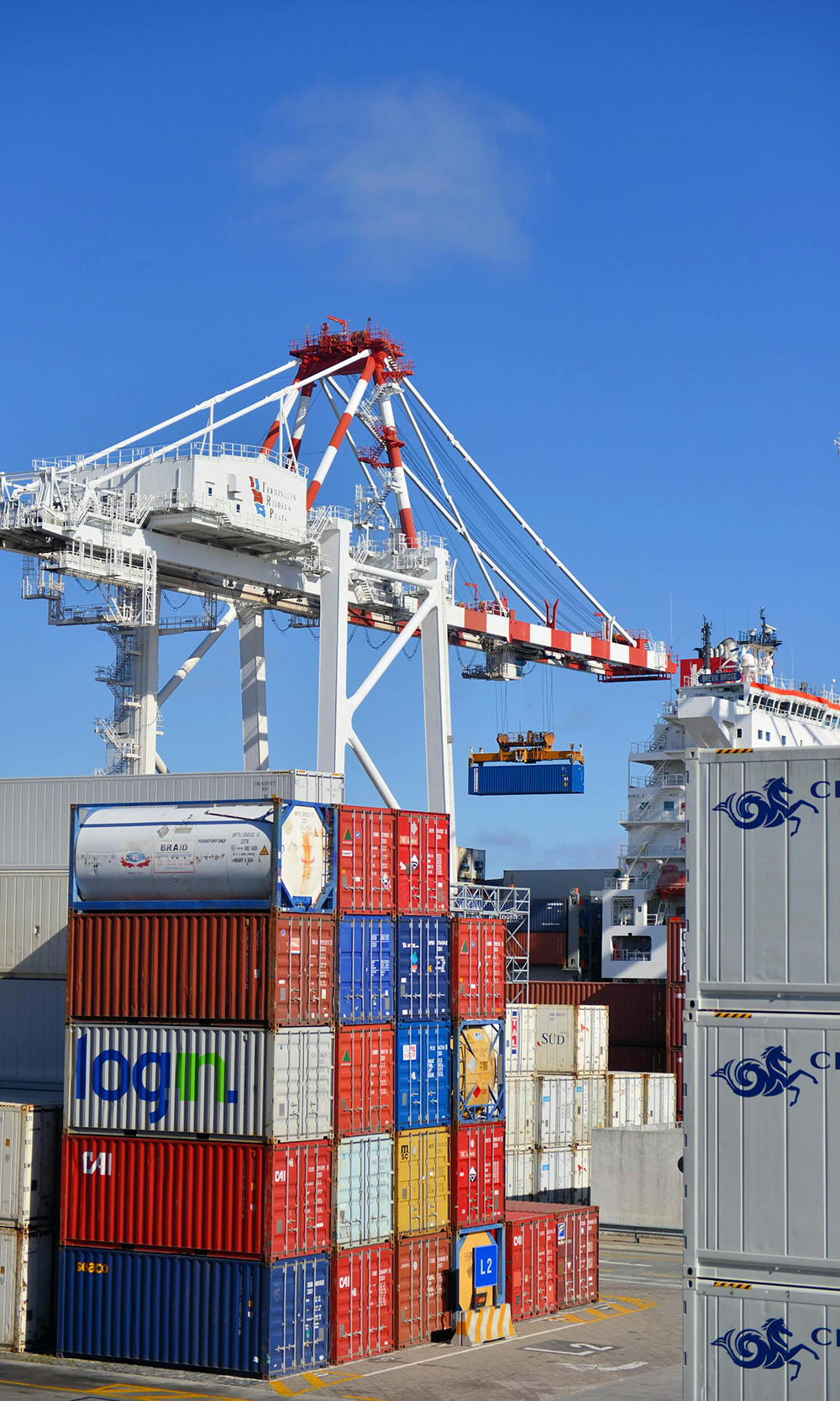

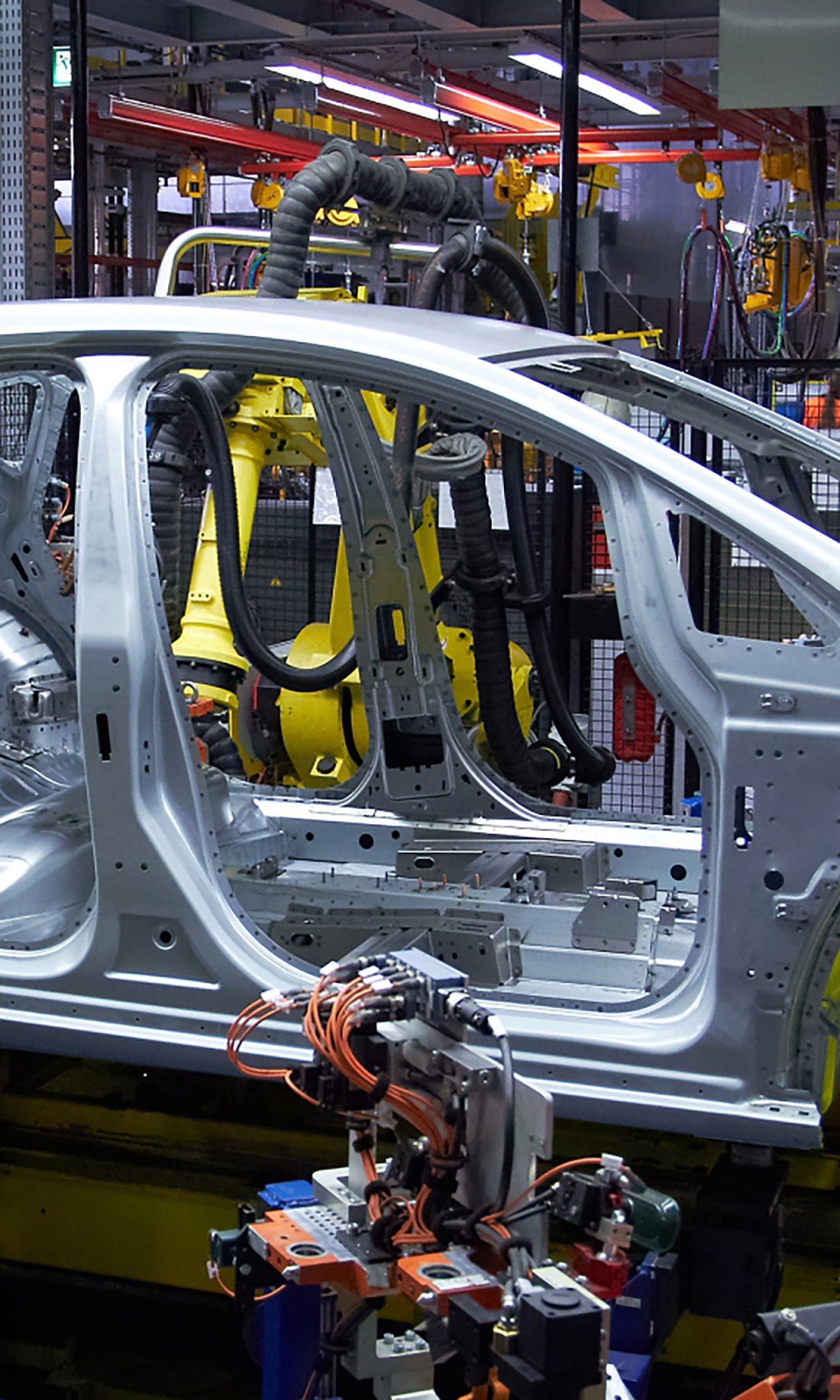
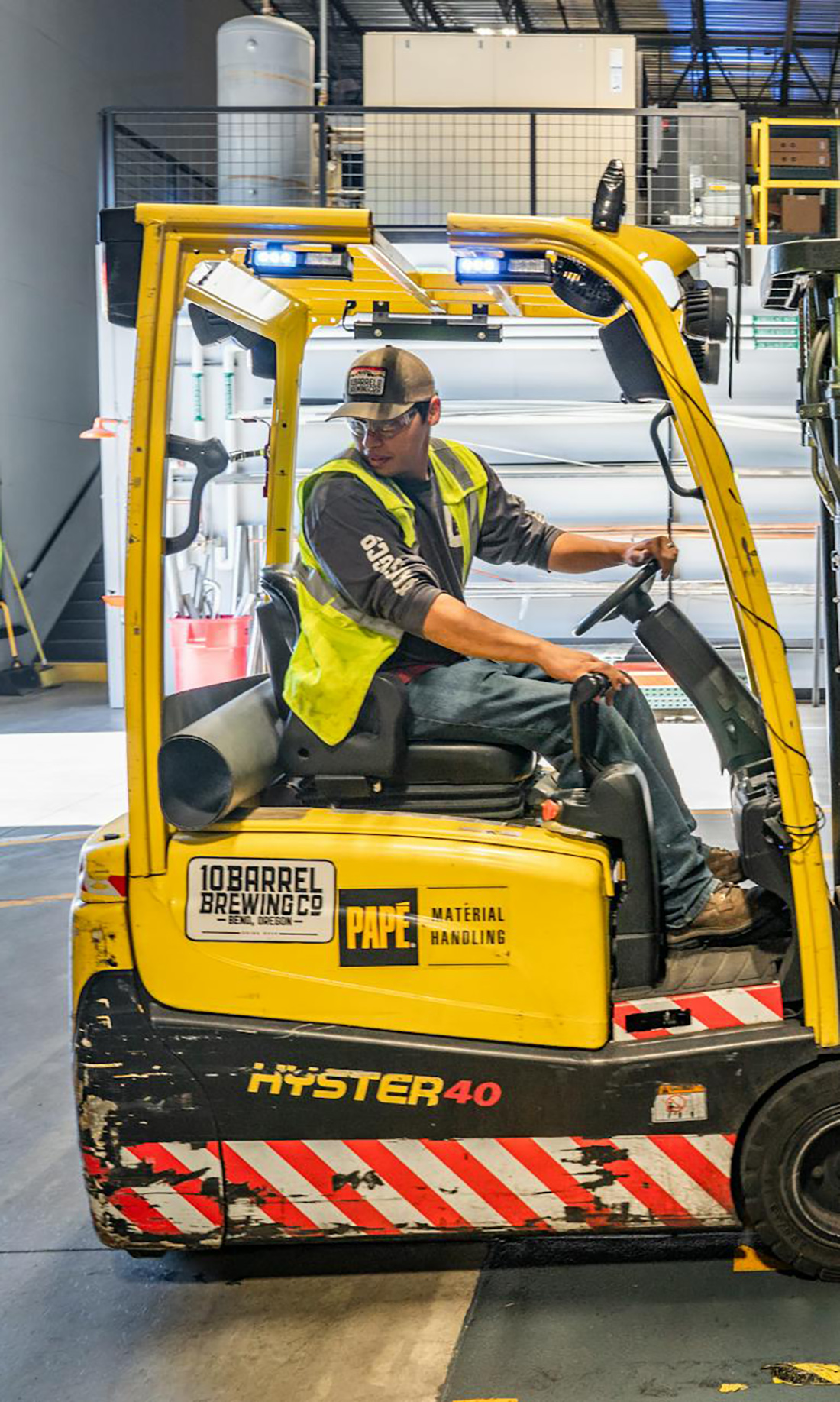
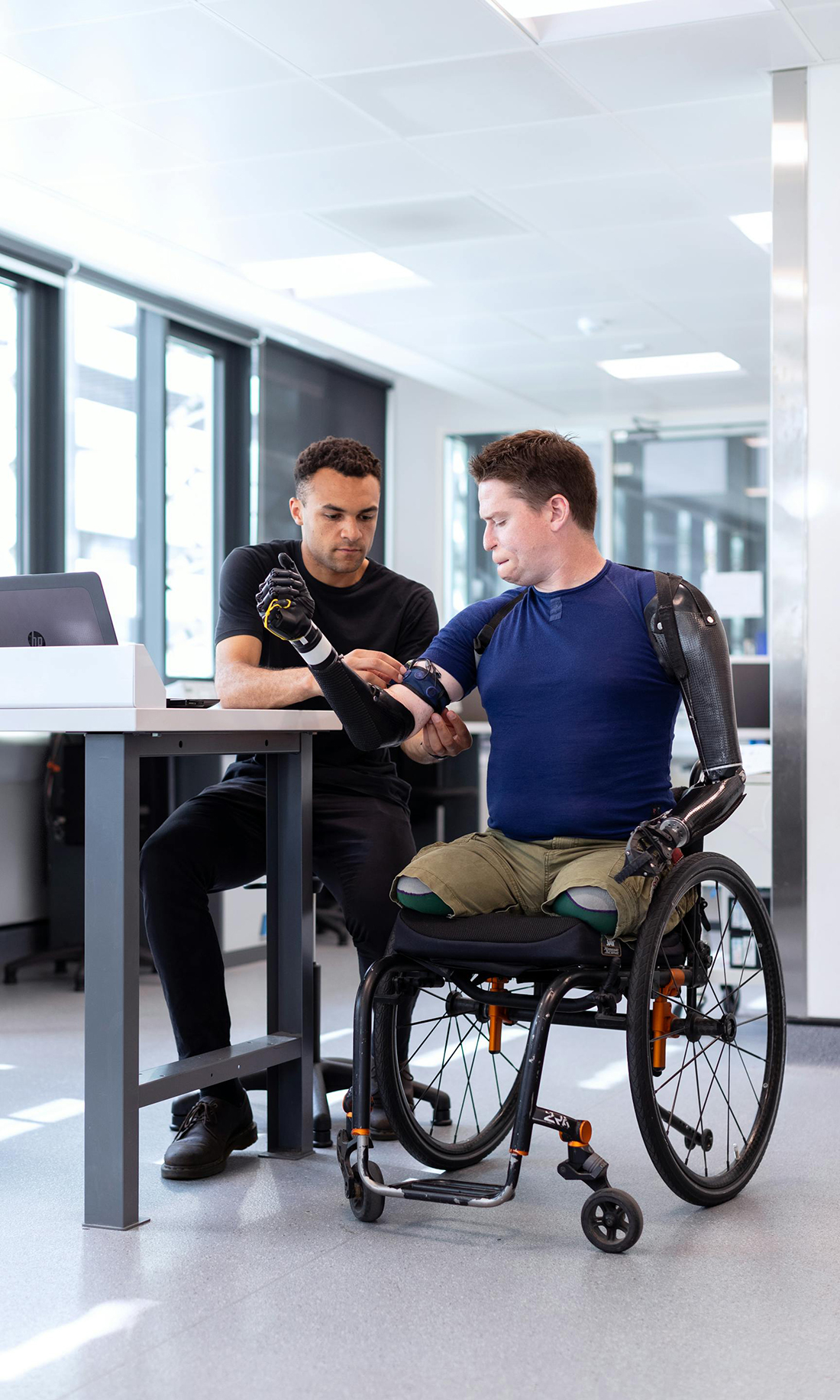
eforthink is a national high-tech enterprise in the field of IoT specializing in location services. Based on location sensing connectivity and the aPaaS service platform, it offers partners one-stop location services that integrate hardware, software, and algorithms, covering the entire process from product design, development, integration, production, manufacturing, sales, and after-sales support.
From construction site safety systems to pharmaceutical cold-chain tracking, our RTLS solutions have been validated across 3,500+ real-world deployments — making eforthink one of the most field-proven RTLS partners available globally.
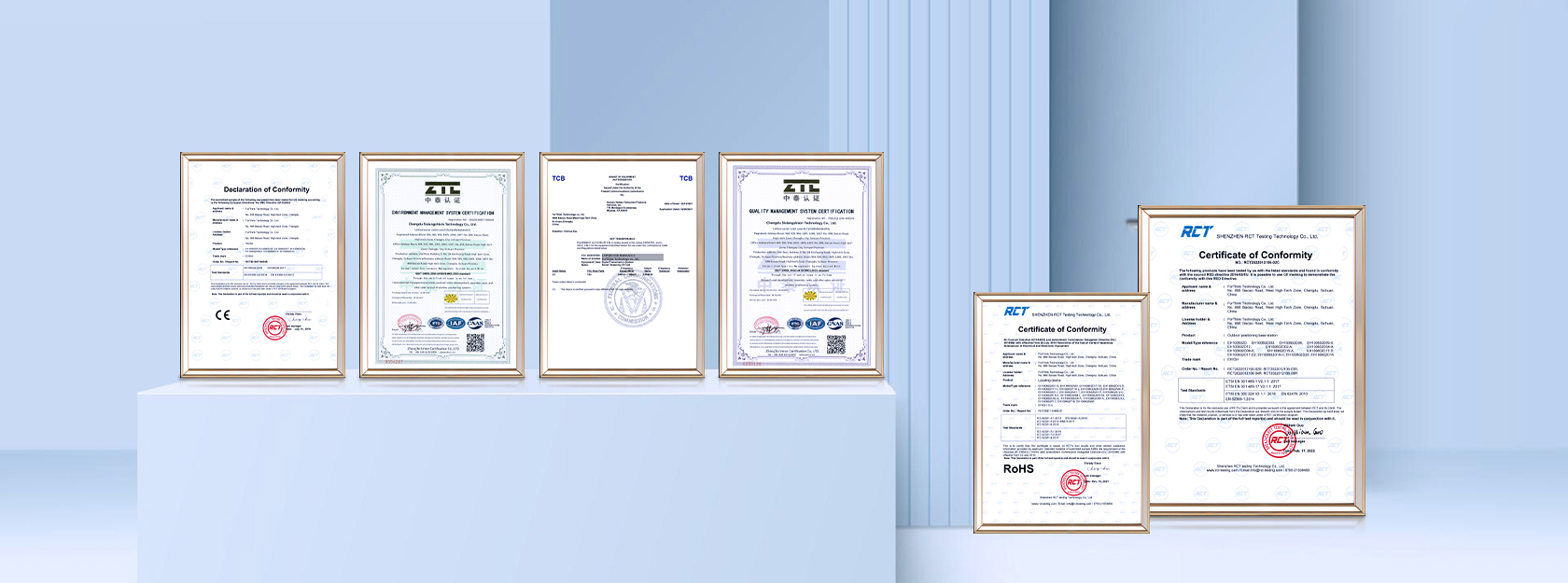
Our products and services are available in many countries and regions. We have developed model projects for many leading enterprises.










From explosion-proof wearable tags to weatherproof anchor stations — every component engineered for demanding industrial and construction environments.
Deploy industrial RTLS with centimeter-level UWB precision. Protect your workers, track your tools, and optimize your site — starting today.
Get Started with eforthink RTLS →