




UWB Tool Tracking for Automotive Tightening and Traceability
Fastening joins critical vehicle components, including engines and chassis, and contributes to assembly quality. Manual operations can be affected by missed tightening, incorrect program selection, torque errors, and operator fatigue. As manufacturers expand new energy vehicle production and work to meet delivery schedules, they need a clearer connection between the tool, its workstation, and the intended operation. Tool tracking addresses the location part of this process.
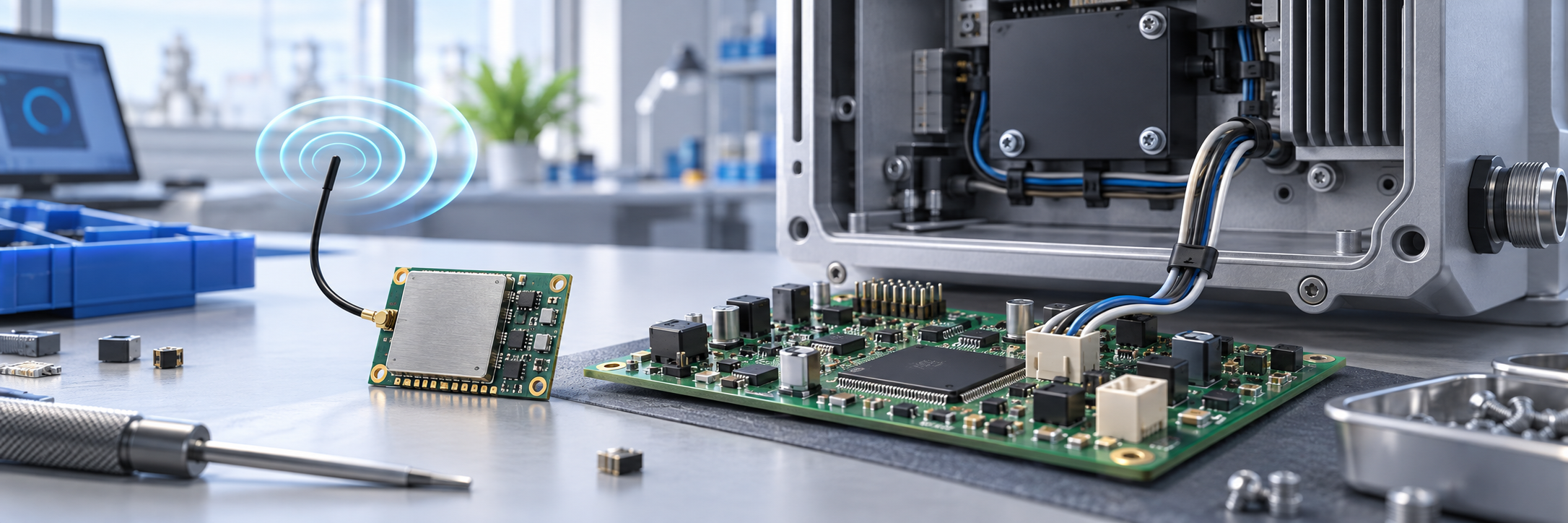
Eforthink's solution uses UWB RTLS to create a positioning network across the production floor. The described solution reports centimeter-level positioning and uses fixed base stations placed around the line. This manufacturing asset tracking infrastructure supports the needs of mixed-model assembly, where tools and workpieces must be associated with the correct production stage. The production tracking system connects those spatial observations with operational information.
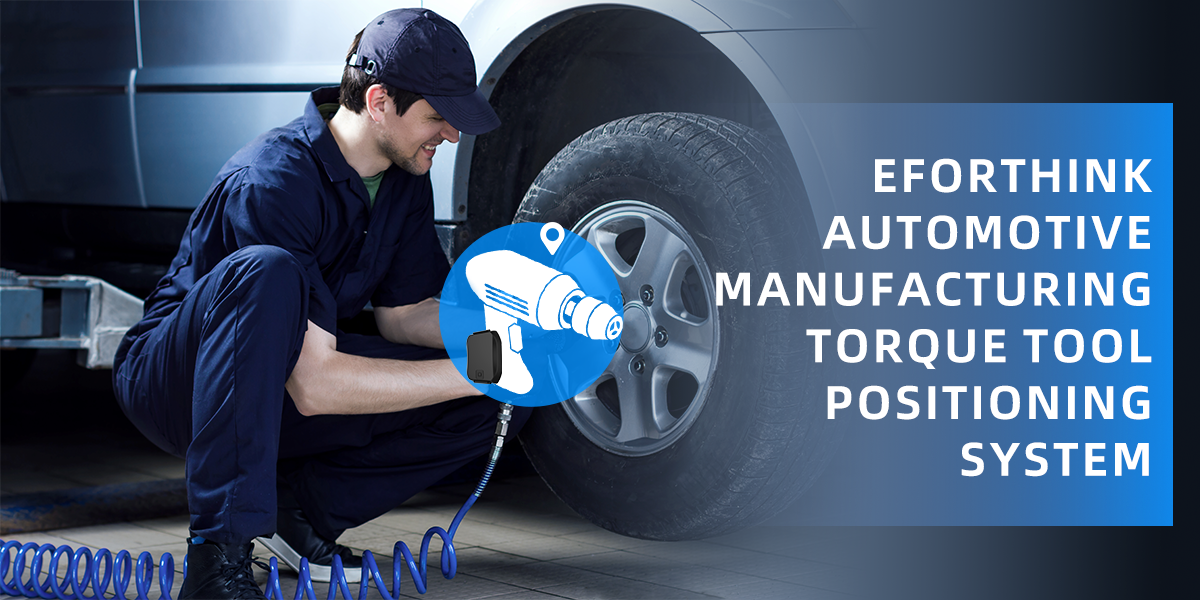
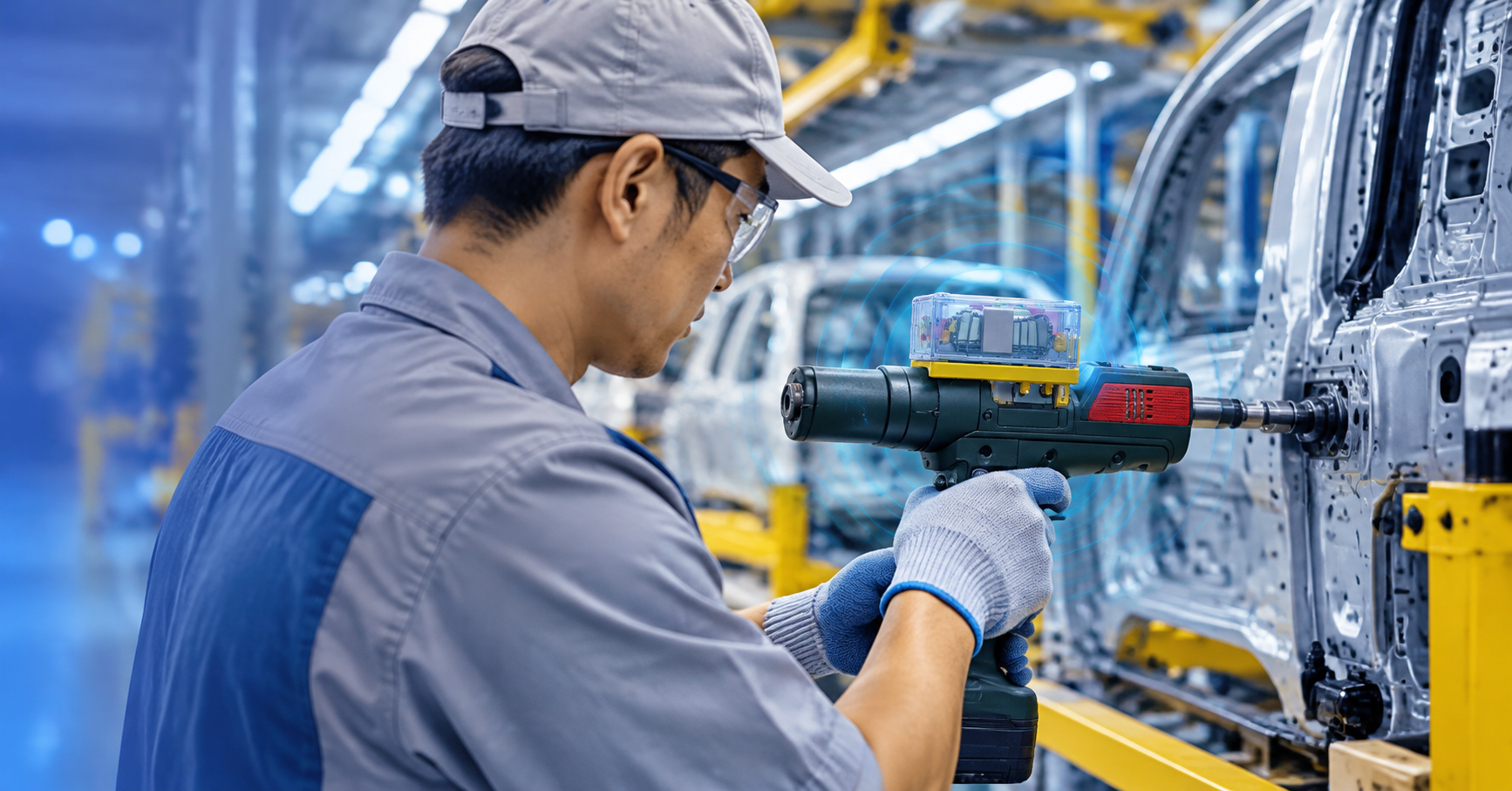
Each tightening tool carries a positioning tag. When it enters a designated workstation, UWB RTLS identifies its location and the integrated control system activates the corresponding fastening program. Tool tracking supplies the workstation context, while the tool-control connection applies the program. This supports switching between vehicle models and reduces the need for operators to select every program manually.
Virtual geofences define the permitted operating area for each workstation. If a tool moves beyond its assigned area, the described integration triggers an audio-visual alarm and disables the tool. This location-based interlock helps prevent fastening at the wrong stage. The production tracking system connects area rules with tool operation, giving on-site teams a clearer way to manage exceptions without treating location alone as proof that a joint meets its torque specification.
Traceability connects each operation with its recorded data. The tightening tool captures torque, speed, and timestamps; integrated records associate these measurements with the vehicle identification number, or VIN, and the tagged tool. Tool tracking links the location context with the operation, allowing quality teams to trace a record back to the relevant workstation, tool, or operator. This shared history supports root-cause investigation, accountability, and process improvement within the smart factory.
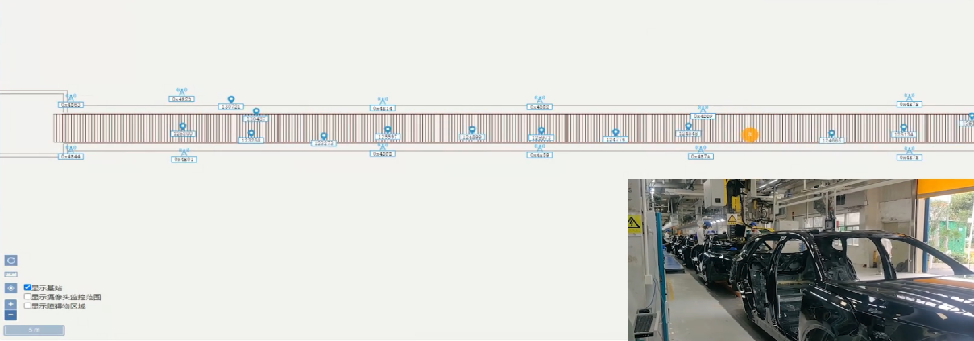
The same positioning network can extend to personnel, automated guided vehicles, and material racks through additional tags and base stations. Manufacturing asset tracking then supports broader logistics and movement reviews. Material tracking connects rack locations with inventory monitoring, while trajectory analysis helps teams assess activity across the plant. Bringing production, logistics, and quality records together supports continuity from parts intake to completed vehicle delivery.
Eforthink combines UWB RTLS with operational integration to make location information useful within automotive workflows. Tool tracking and material tracking provide spatial context for the production records that teams use every day. This approach connects important activities across the smart factory and supports more visible, coordinated manufacturing within Industry 4.0 initiatives.