
UWB Material Tracking and Forklift Warnings for Warehouses
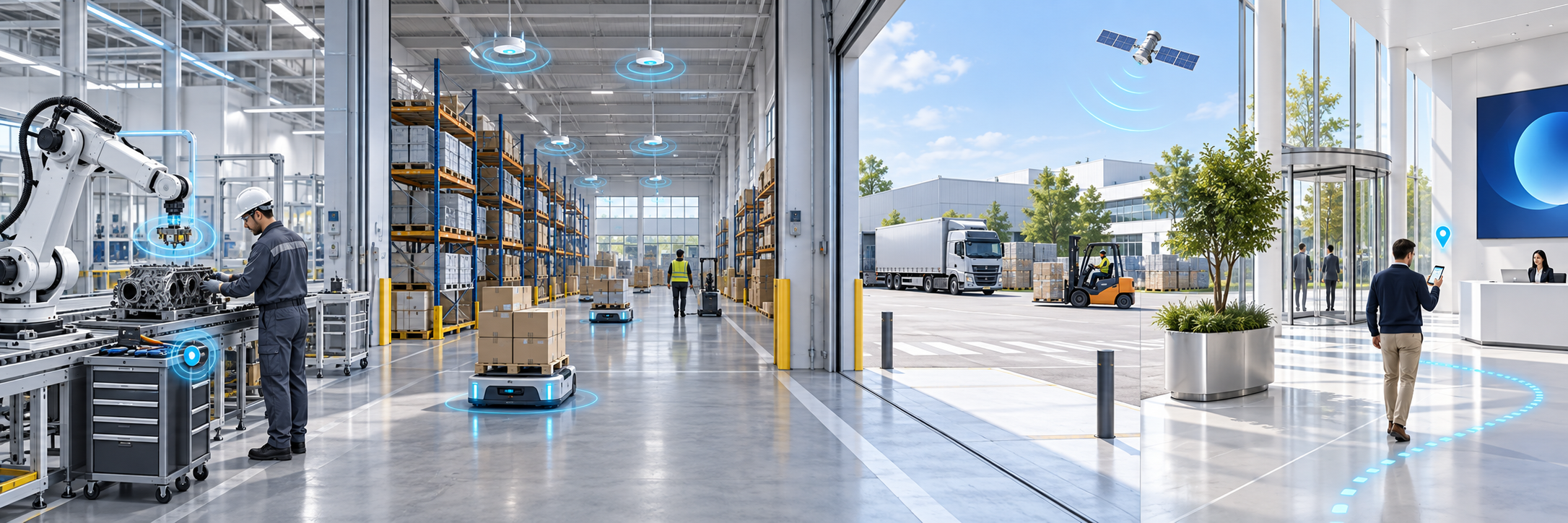
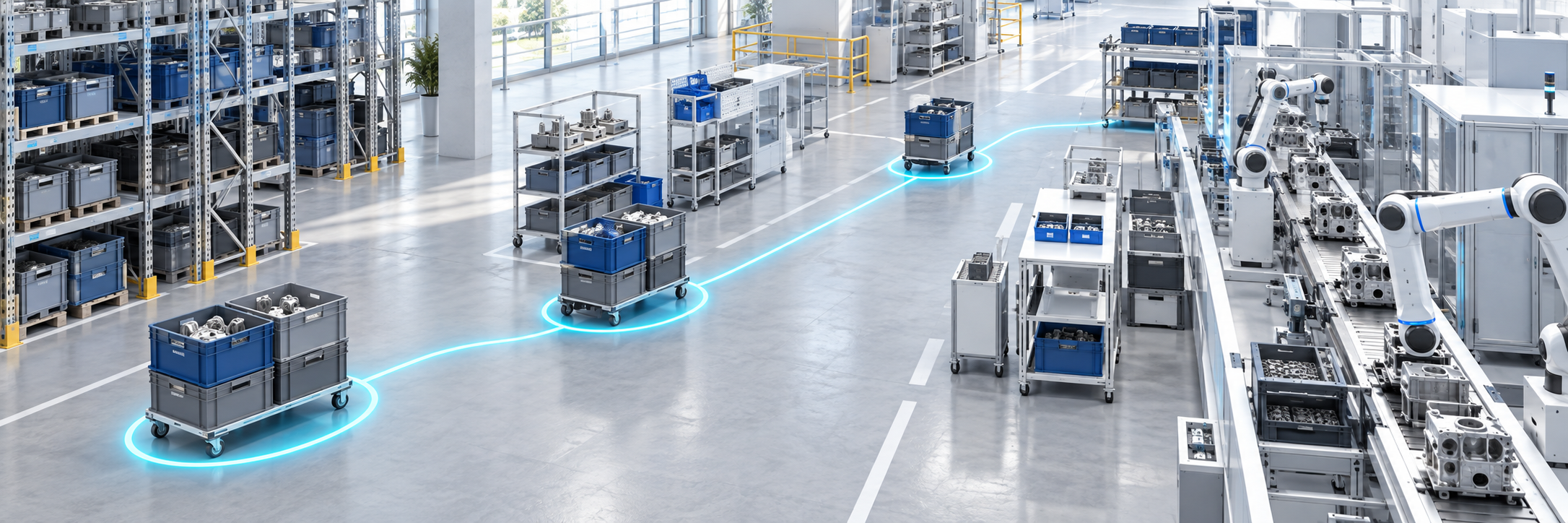
Frequent receiving, dispatch and internal moves can make goods difficult to locate. When stock records lag behind physical movements, staff spend more time searching and reconciling information. Material tracking can provide location context for these warehouse transactions.
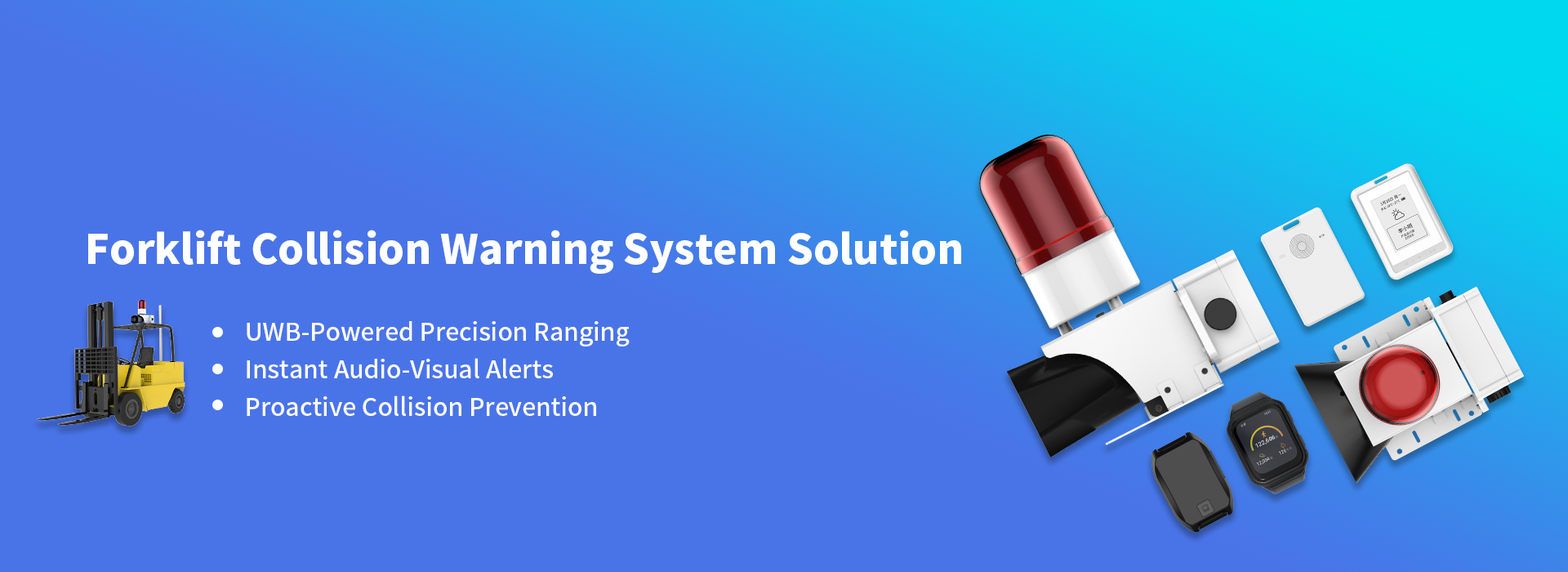
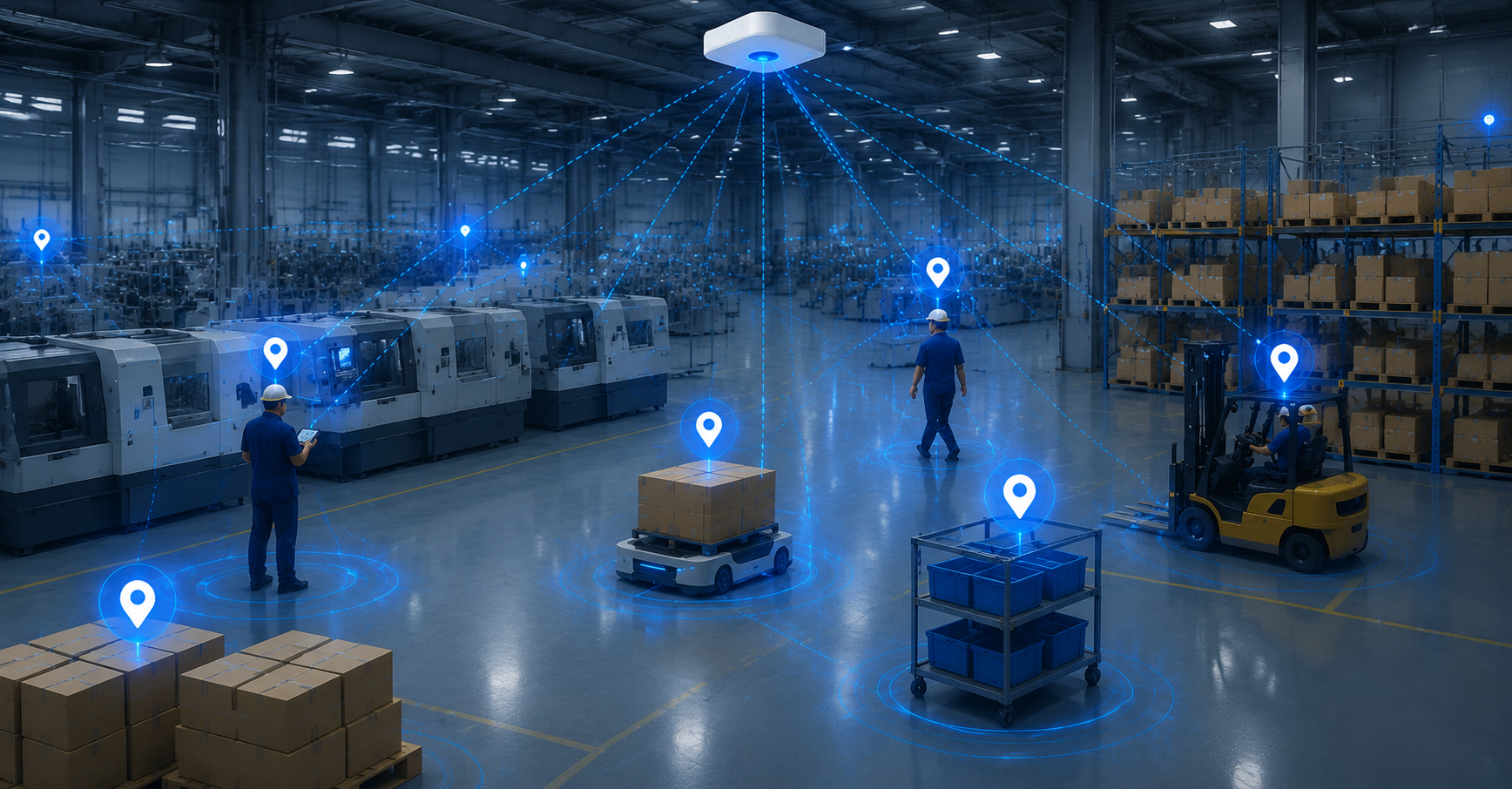
Forklifts are central to loading, handling and stacking, while their routes often intersect with staff activity. A warehouse tracking system can support location visibility, and a configured forklift warning system can provide proximity awareness for participating vehicles and personnel.
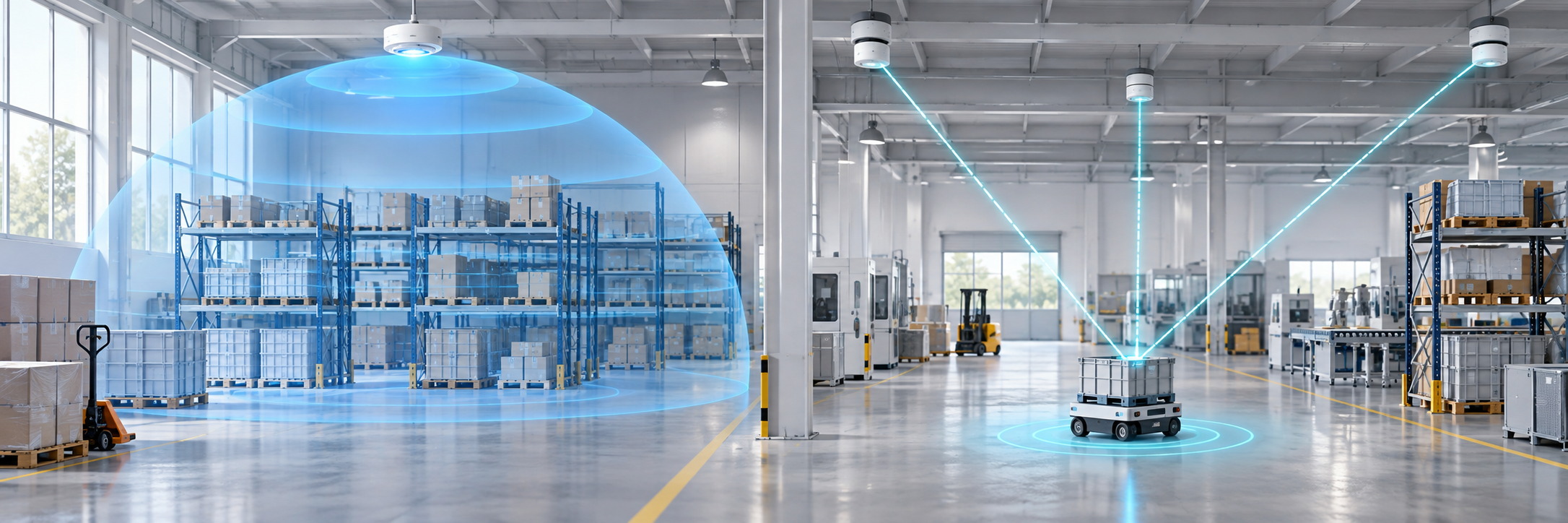
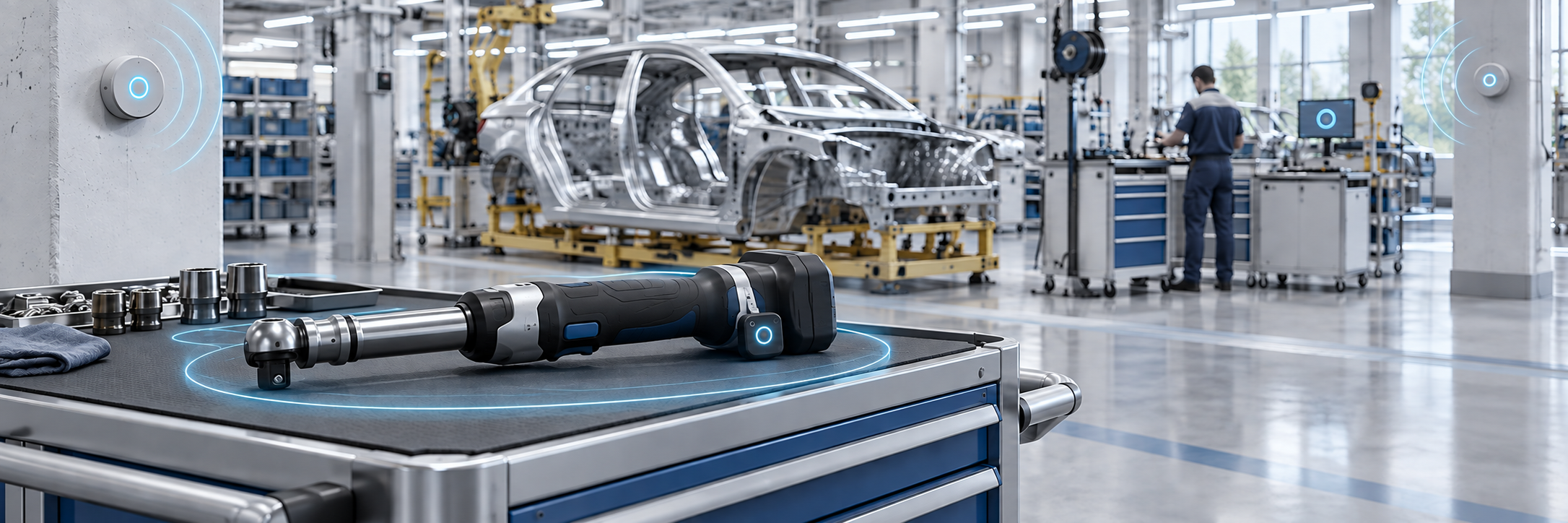
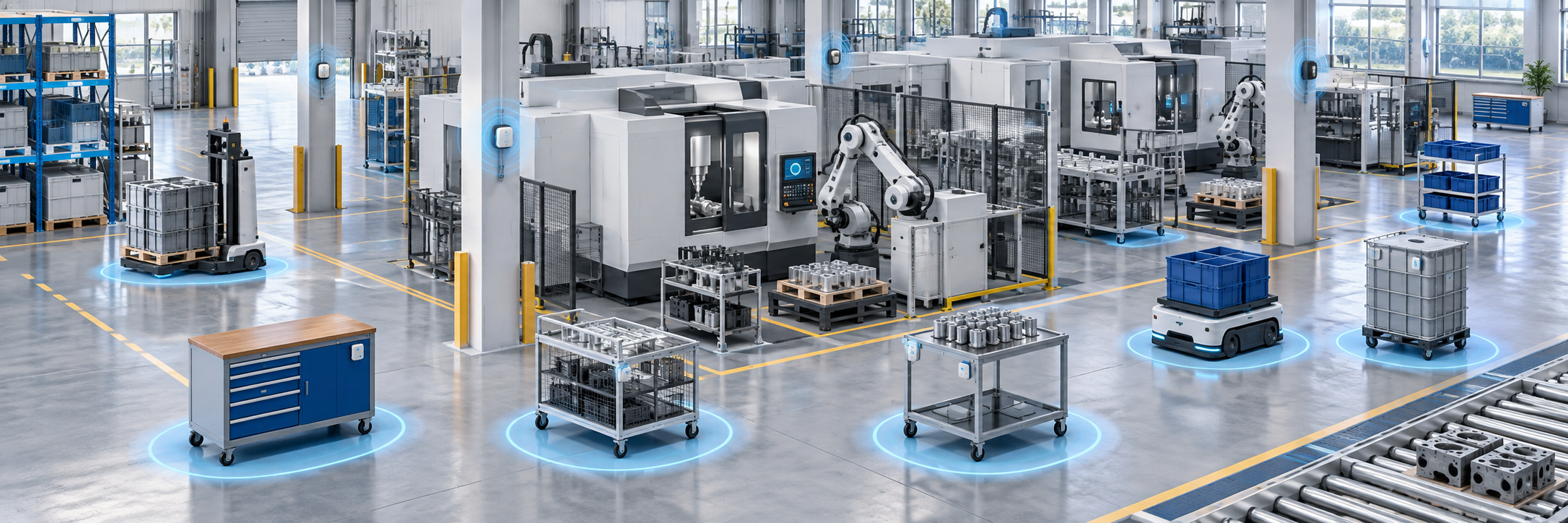
Eforthink’s warehouse approach combines these two functions. The deployment may include positioning anchors, vehicle ranging units, personnel tags, material tags and the associated software. The selected components depend on whether an area needs coordinates, direct distance warnings or both.

Personnel and Vehicle Proximity Warnings
Forklift tracking provides vehicle location information within covered areas. Personnel tags can supply the observations for participating staff. Configured rules use the available location or ranging data to identify defined proximity events.
When a threshold is crossed, the forklift warning system alerts the appropriate users. Thresholds must reflect vehicle movement, load, visibility and the validated system behavior. Warnings support site safety procedures; they do not guarantee that a collision will be prevented.
The warehouse tracking system and direct ranging arrangement should be specified separately where their operating modes differ. Automated speed control requires an additional compatible vehicle interface and is not assumed for every installation.
Inventory Visibility and Material Associations
One described workflow associates a forklift with the paper roll it is carrying. When the vehicle reaches a designated storage area and the handling event is recorded, the system can update the linked material’s storage location.
This form of material tracking relies on accurate load association and confirmation of the handling event. Forklift tracking alone cannot prove which item was carried or exactly when it was released without the relevant process input.
Inventory tracking combines location events with stock identifiers, quantities and status from the warehouse application. UWB provides measurements; it does not directly count the contents of a load. Maintaining these relationships gives staff a useful view of stock distribution.
Supporting Receiving and Dispatch
The warehouse tracking system can supply positions to an integrated dispatch or navigation application. Available storage locations, current orders and route data determine the handling instruction shown to the driver.
During receiving, material tracking helps connect the delivered item with its assigned destination. During dispatch, inventory tracking can identify the target stock and its recorded location so staff can plan the retrieval.
Route optimization requires the appropriate map and software function. A location estimate on its own does not calculate an optimal route or ensure that an aisle is unobstructed.
Reviewing Warehouse Space Use
Recorded storage locations and forklift tracking histories can help managers evaluate goods placement and recurring travel patterns. This provides evidence for changing slot assignments, reducing unnecessary movements or investigating congested areas.
The resulting improvement should be measured after the operational change. The platform makes activity more visible; it does not automatically redesign the storage layout.
Eforthink can help define the material tracking, inventory integration and forklift warning system needed for your warehouse. Start with the handling process and the information required at each step.