


Material Tracking for Printing and Dyeing Logistics
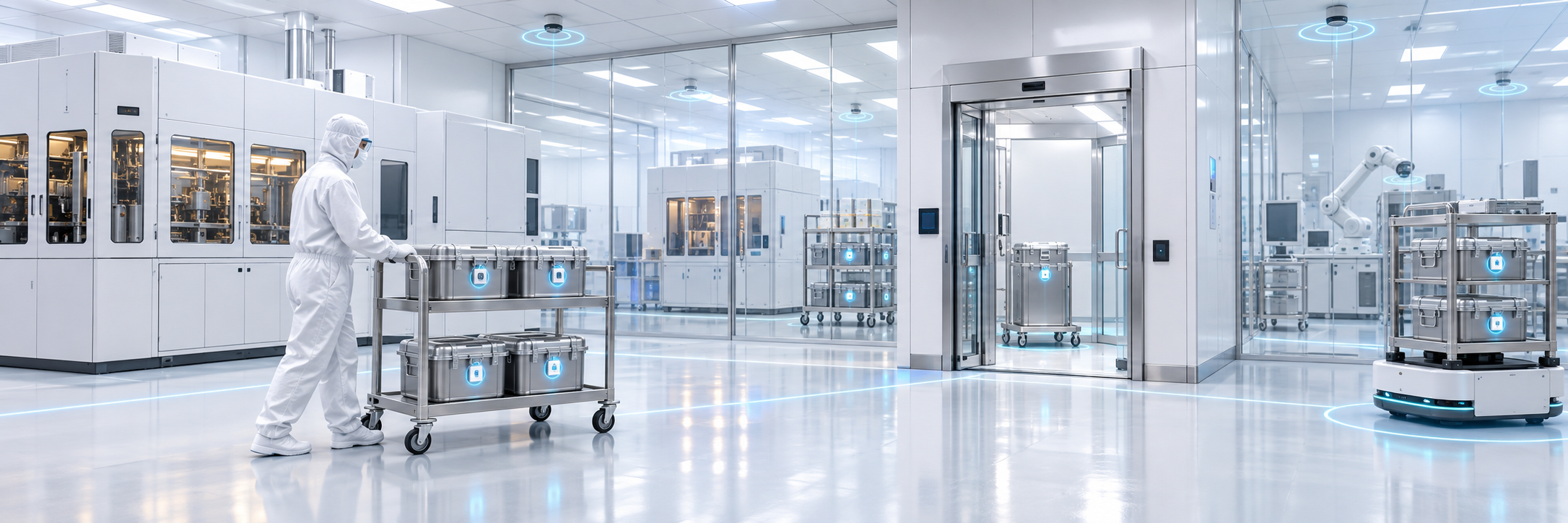
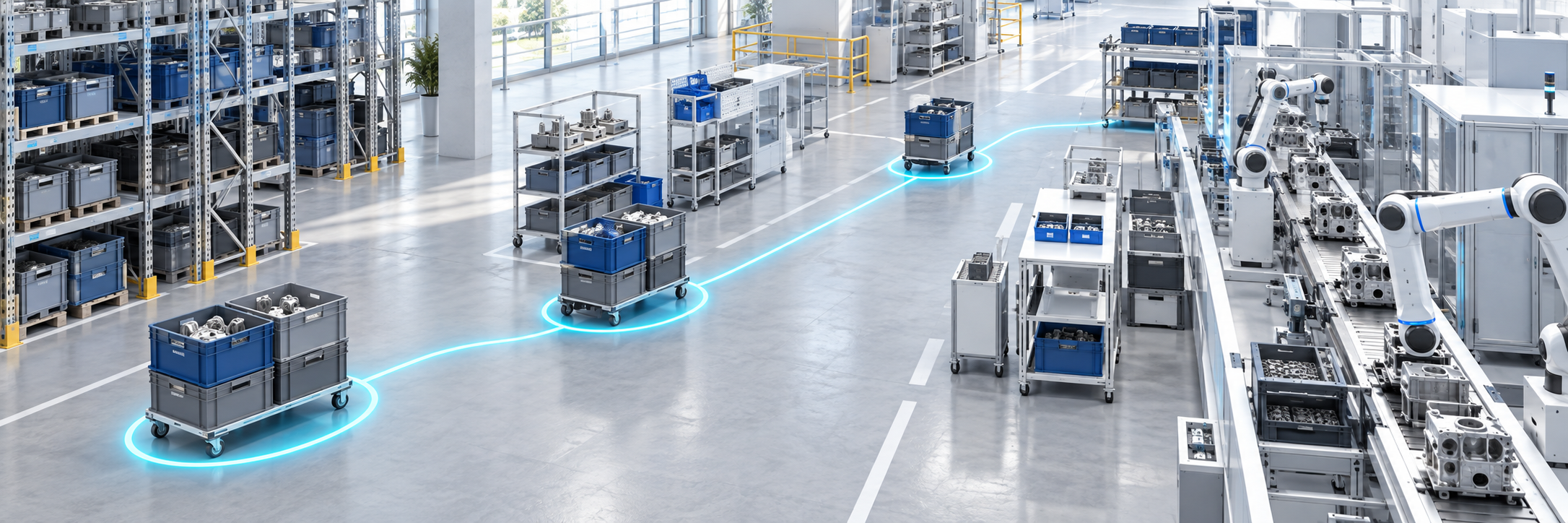
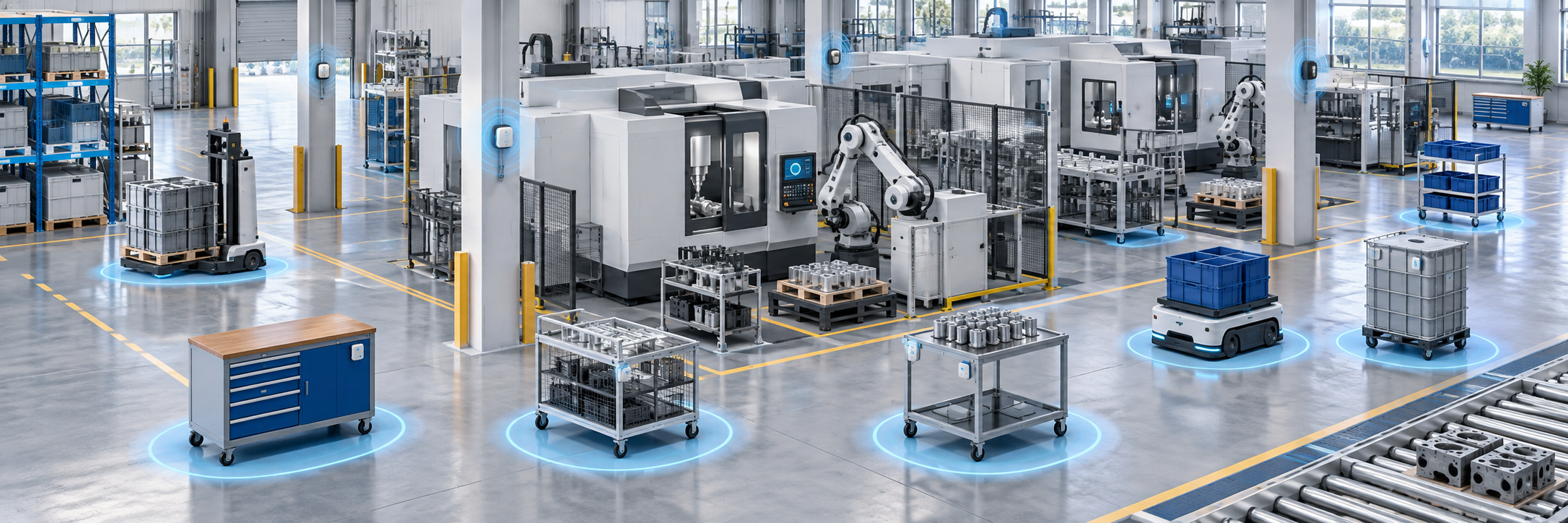
A printing and dyeing factory handles daily orders with different textile and processing requirements. More than a thousand material transport trolleys move raw materials and finished products around its workshop. Finding the correct trolley quickly is important to keeping orders moving through production.
The factory selected Eforthink to connect material tracking with scheduling and logistics management. The project combines material tracking data with order information so teams can find trolleys and review how materials move between processing stations.

Pain Points and Core Needs
- Trolley searches: With more than a thousand units in use, manual searches consume production time. UWB asset tracking provides a location reference for each tagged trolley and its assigned load.
- Process checks: An order workload makes it difficult to confirm that materials reach the correct station. Material traceability needs accurate trolley-to-material associations and work-order requirements alongside location events.
- Scheduling visibility: Planners need current status and movement information to coordinate orders and assess timing. A production tracking system can bring these records into a shared operational view.
Solution
Eforthink implemented a printing and dyeing scheduling and logistics production tracking system built around UWB positioning. Its main components are a production scheduling dashboard, rapid trolley locating, and a module for binding or unbinding materials to trolleys.
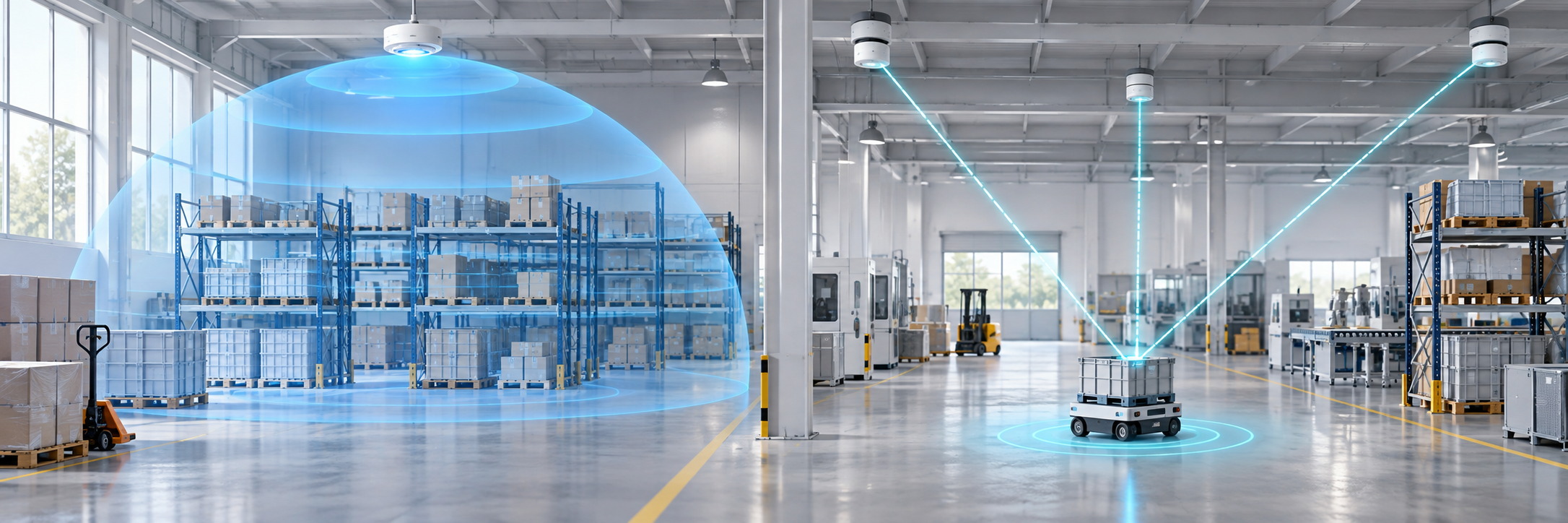
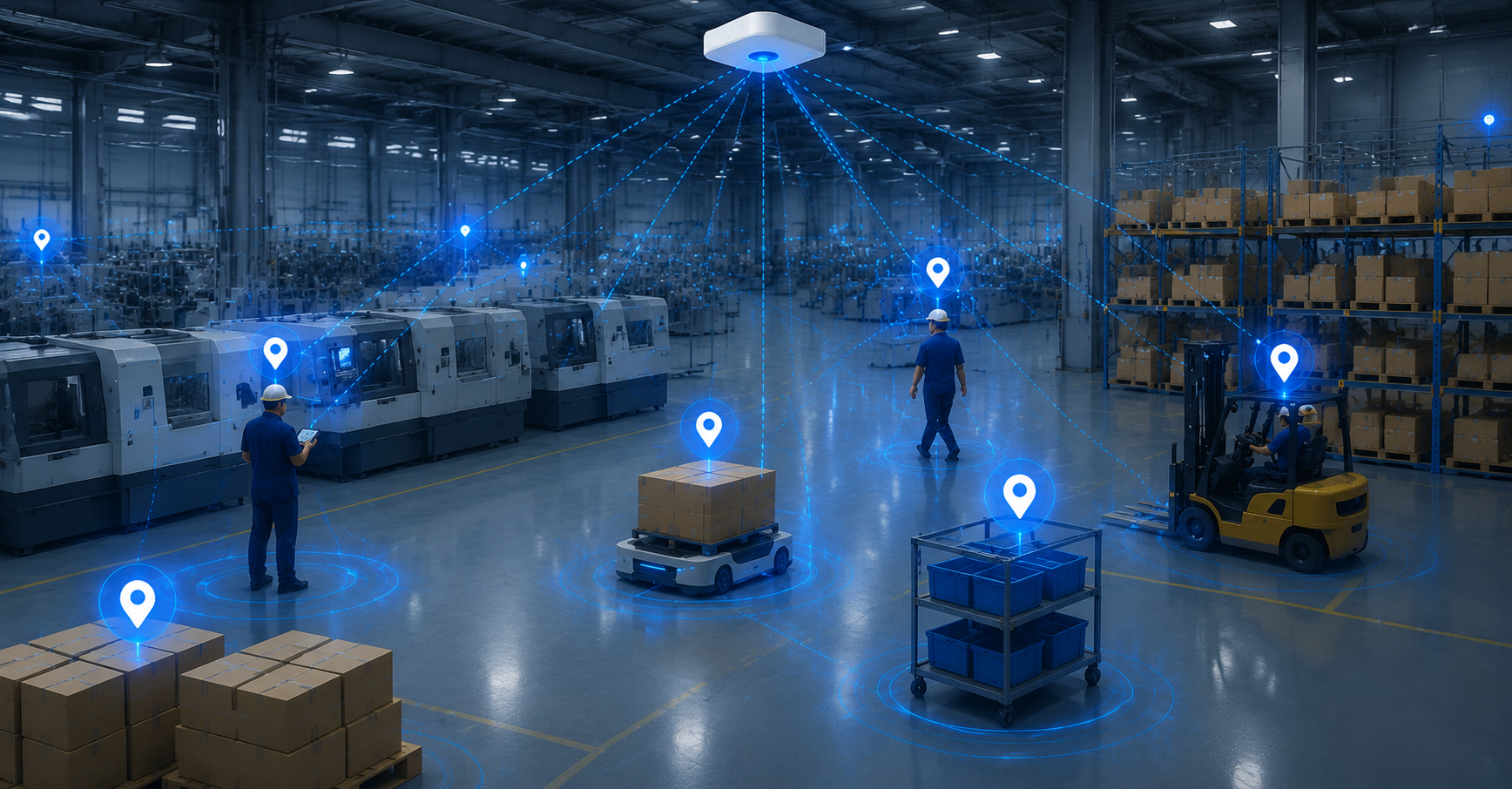
Tags transmit UWB signals to receiving anchors; the positioning engine calculates locations for the management platform. UWB asset tracking supplies position records, while the order system provides business context. Together, they help teams determine which trolley is associated with an order and where it is currently located.
This integration supports automated tasks and reduces repeated manual coordination.

Core Application Functions
Rapid Trolley Localization
The project reports an average trolley locating time of less than one minute across its large fleet. UWB asset tracking helps operators find the required trolley from the system rather than searching the workshop manually. This is a reported project result, with performance dependent on the search workflow and deployment.
Production Tracking System for Automated Scheduling
The production tracking system connects with order dispatching to assign work using trolley status. Managers can adjust priorities for urgent orders and change the sequence when needed. Material tracking helps planners see which resources are available and how they are moving through the factory.
Process Verification
Tag identities and regional electronic geofences connect trolley movements with processing and logistics information from work orders. Material traceability records support checks against the required destination and process sequence. Verification depends on correct identity binding and defined business rules, alongside reliable location coverage.
Material Tracking and Transfer Error Alerts
The material tracking platform can alert operators when a trolley reaches an incorrect destination or deviates from a configured route or sequence. Operators still need to review and resolve alerts, especially for orders with special processing requirements.
Value and Benefits
Visible Production Activity
UWB asset tracking shows trolley movement against workshop areas and scheduled work. Teams can use this view to coordinate resources, review congestion, and understand the current flow of materials.
Material Traceability for Scheduling and Analysis
The production tracking system reduces repeated data collection by connecting location events with operational records. This supports scheduling reviews and resource decisions without assuming that automation eliminates all manual work.
Better On-Site Management
Material traceability and exception records help supervisors investigate routing issues and follow up on alerts. Coverage planning and commissioning determine which areas can be monitored reliably. The project supports a more connected printing and dyeing workflow, bringing locating, dispatching, and process checks into one management approach.