
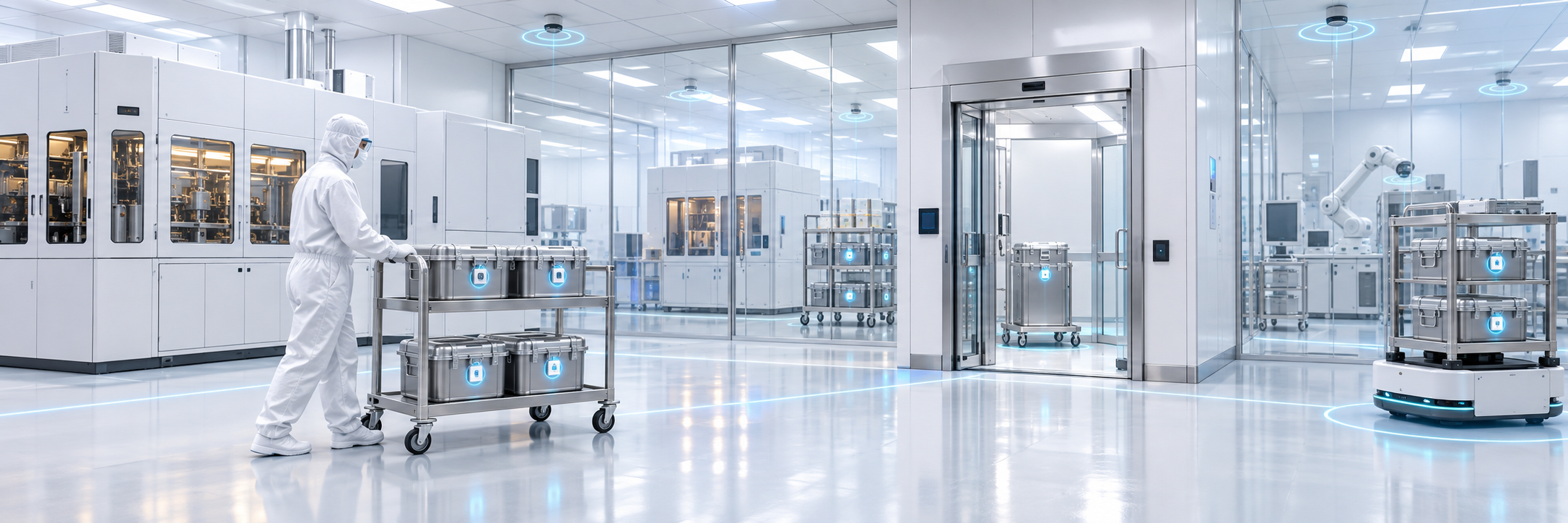



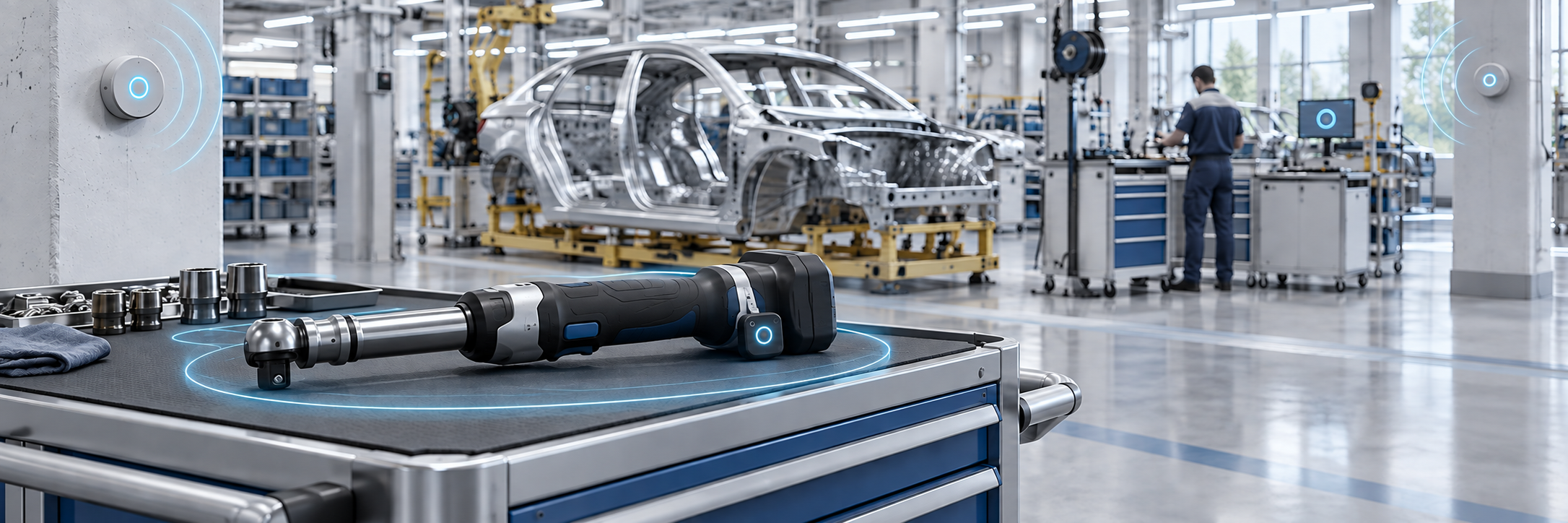
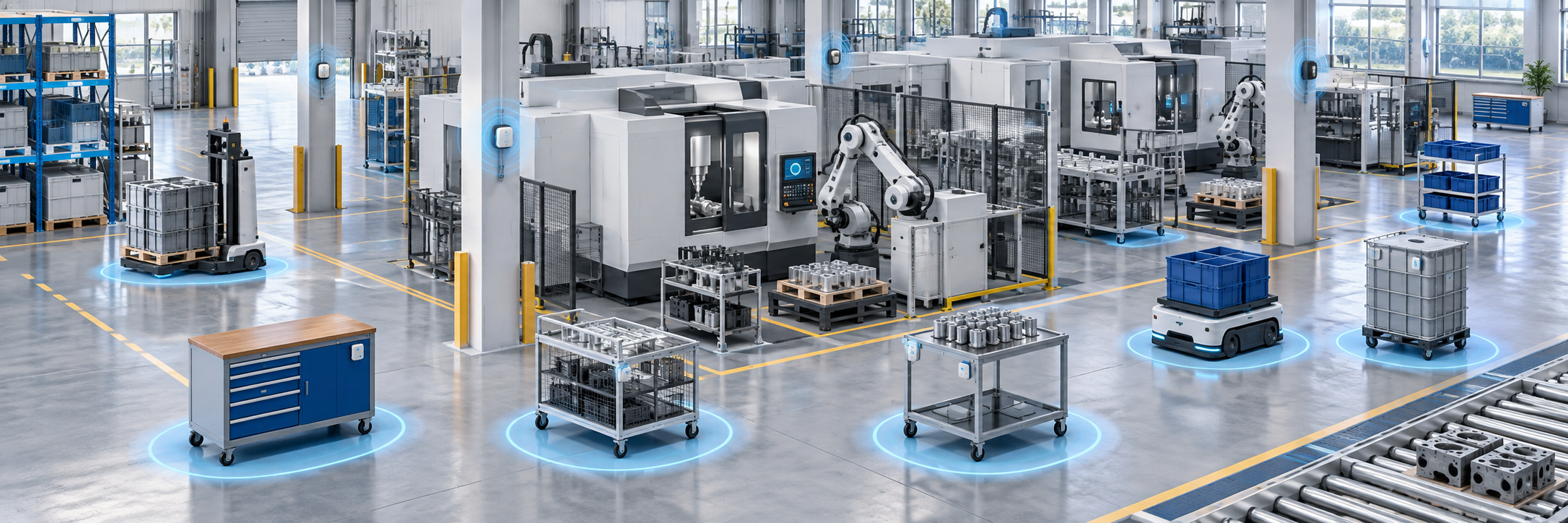
Manufacturing Asset Tracking at FAW-Volkswagen Foshan
FAW-Volkswagen Foshan: Manufacturing Background
Established on December 1, 2011, FAW-Volkswagen's Foshan Branch was the company's fourth production facility in China. The original account describes it as the first factory fully compliant with Modular Transverse Matrix (MQB) platform standards.
Its Industry 4.0 smart factory approach connects research, production, management, and service with digital systems. This project applied manufacturing asset tracking to vehicle handling and logistics coordination.
Building a Connected Factory
The plant sought better production efficiency, quality, and management, alongside lower costs, risks, and delivery times. Eforthink deployed RTLS technology to connect production-line records with off-line vehicle movements and logistics scheduling.
The resulting location records helped teams work with a shared view of operations across production and supporting areas.
Vehicle Management for Automated Production Lines
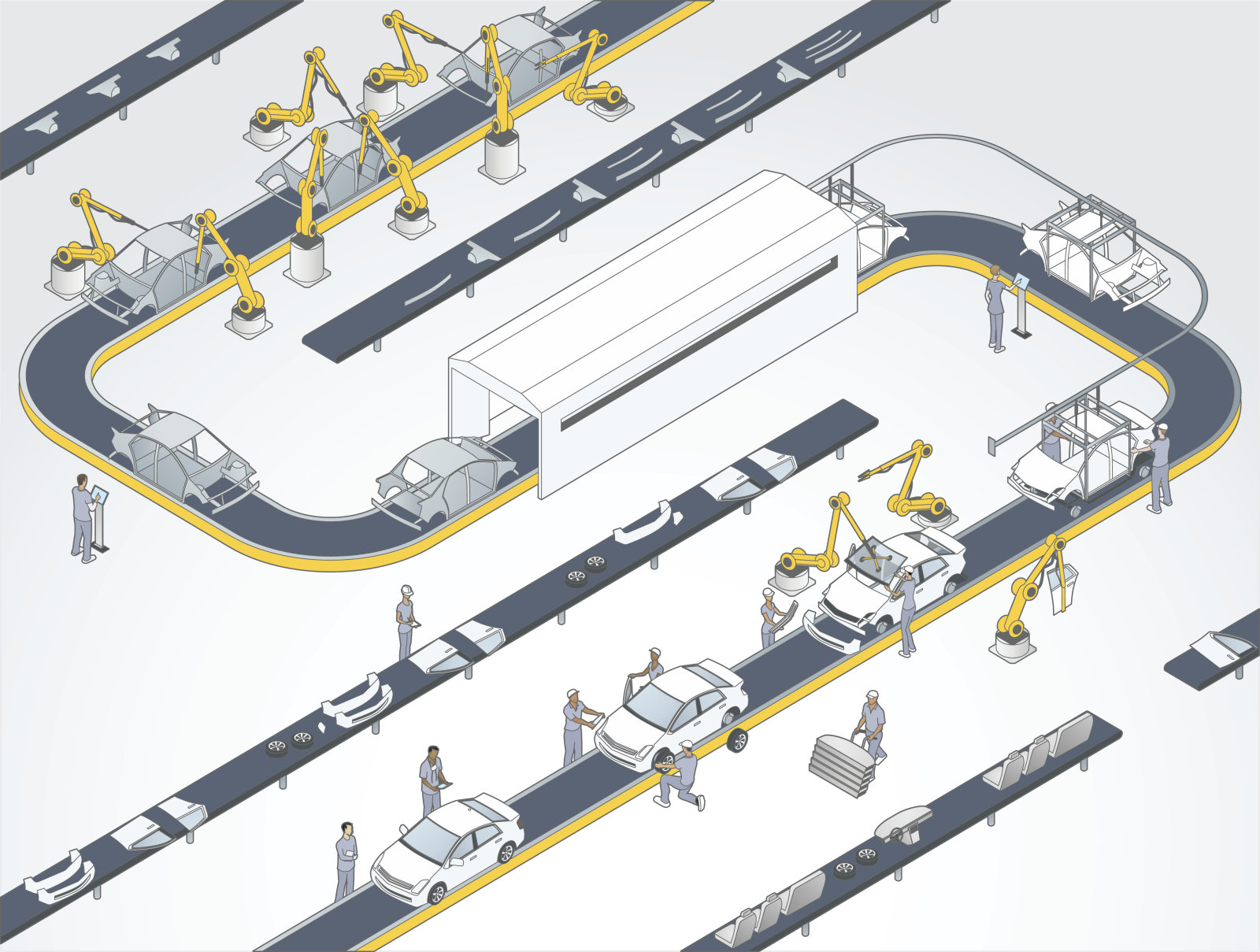
Vehicles move through inspection and quality checks before warehousing. The deployment covered indoor off-line areas and outdoor yards with more than 140 UWB anchors, including indoor panel-type and long-range outdoor units.
More than 500 enhanced UWB tags were assigned to vehicles. Each UWB tag provided the location input for manufacturing asset tracking across these areas.
Key Achievements
Live Locations and Faster Vehicle Retrieval
The project reports vehicle search times of 5 seconds per vehicle. Asset visibility helped teams identify defective vehicles, follow special units, and review movement histories when vehicles remained in one area. Trajectory analysis supported investigation of delays and corrective action.
Production Pace and Labor Planning
The integrated platform combined RTLS technology with operational records to generate production-cycle and labor-hour information for shift analysis. Teams used these records to align off-line work with production lines and support the stated target of 60 jobs per hour (JPH).
Resource Allocation in Off-Line Areas
Historical and live location records helped managers allocate personnel and parking spaces. Manufacturing asset tracking highlighted uneven workloads and vehicles waiting for attention.
Logistics Coordination
The system recorded demand times, delivery schedules, arrival times, and quantities. Connected asset visibility helped teams review key logistics stages and address bottlenecks.
The Role of RTLS and UWB in Manufacturing
The smart factory application combined:
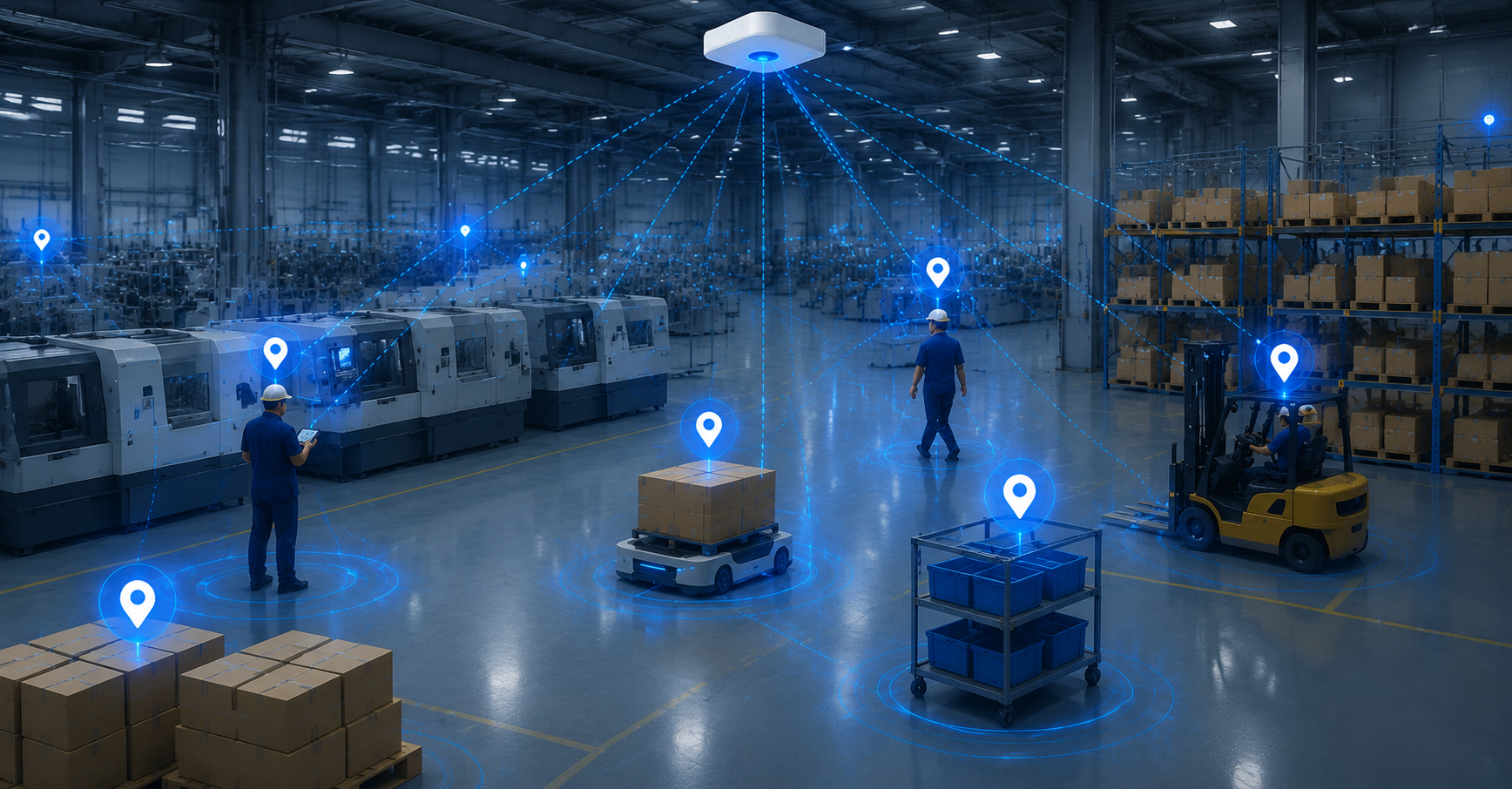
- Precision Control: Reported centimeter-level vehicle and asset positioning through RTLS technology.
- Personnel Tracking: Location information for worker coordination and safety procedures in high-risk areas.
- Connected Operations: Integration with MES, ERP, and logistics platforms.
Future Outlook
The project demonstrates how manufacturing asset tracking can connect location records with production planning. Its combination of positioning, logistics information, and personnel tracking offers a basis for further development of the plant's connected operations.