
UWB Intelligent Logistics and Work Order

PROJECT BACKGROUND
A large printing and dyeing enterprise produces dyed and finished textiles and umbrella fabrics. Materials and semi-finished products move frequently between processes on workshop trolleys. Large production areas, complex workflows and numerous trolleys made retrieval difficult and slowed turnover.
Paper-based work orders also limited control over material movement and production records. The enterprise selected Eforthink's material tracking solution to improve trolley scheduling, work-order circulation and material traceability across production.

CUSTOMIZED SOLUTION
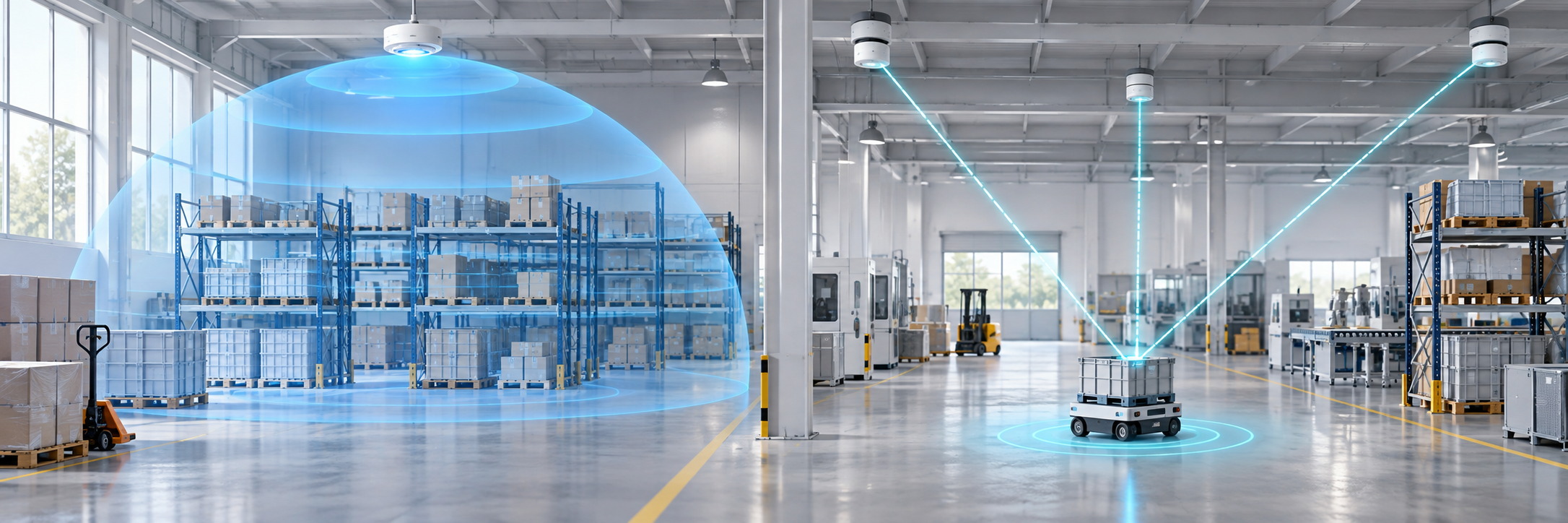
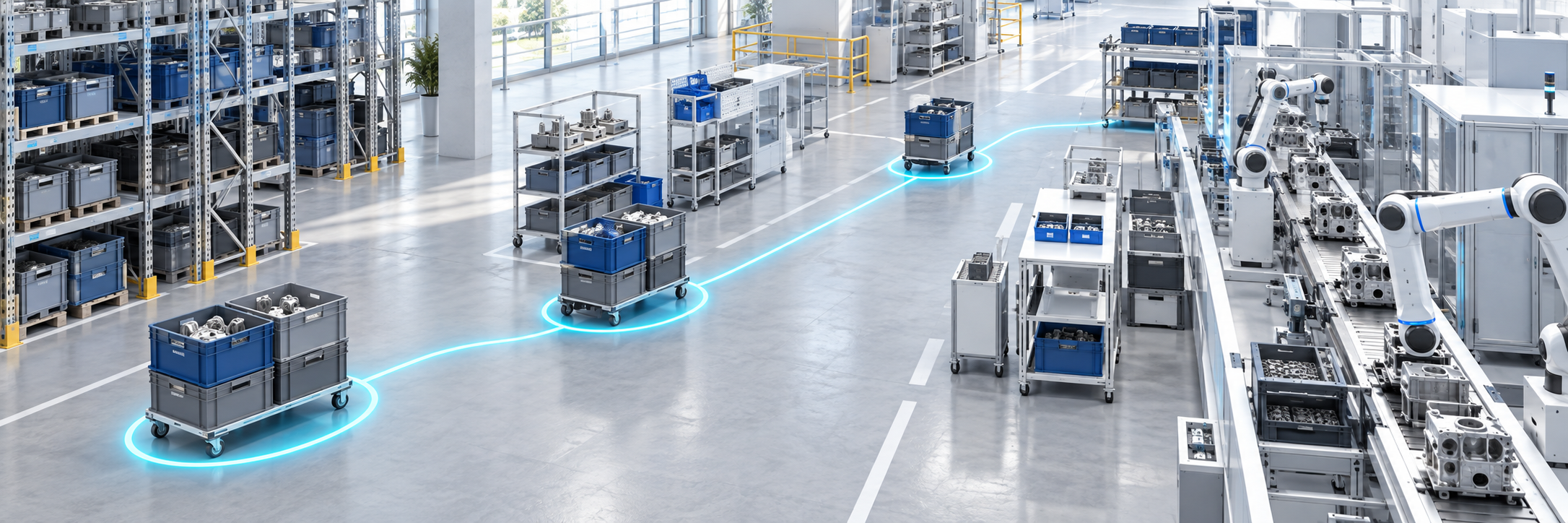
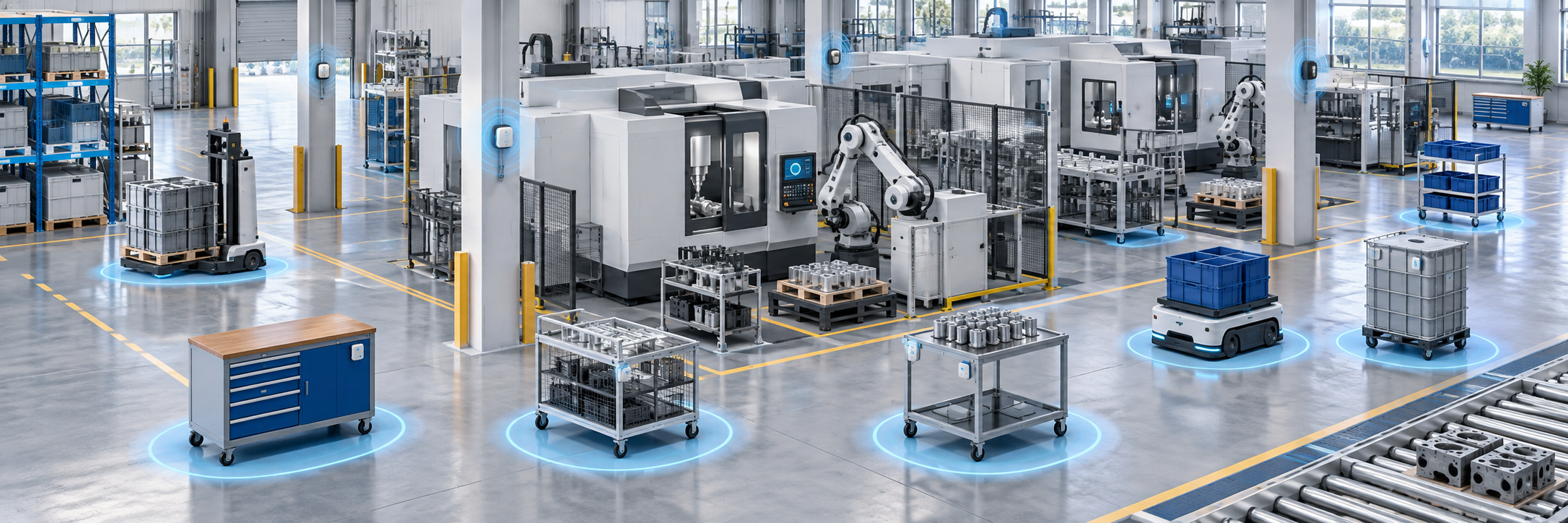
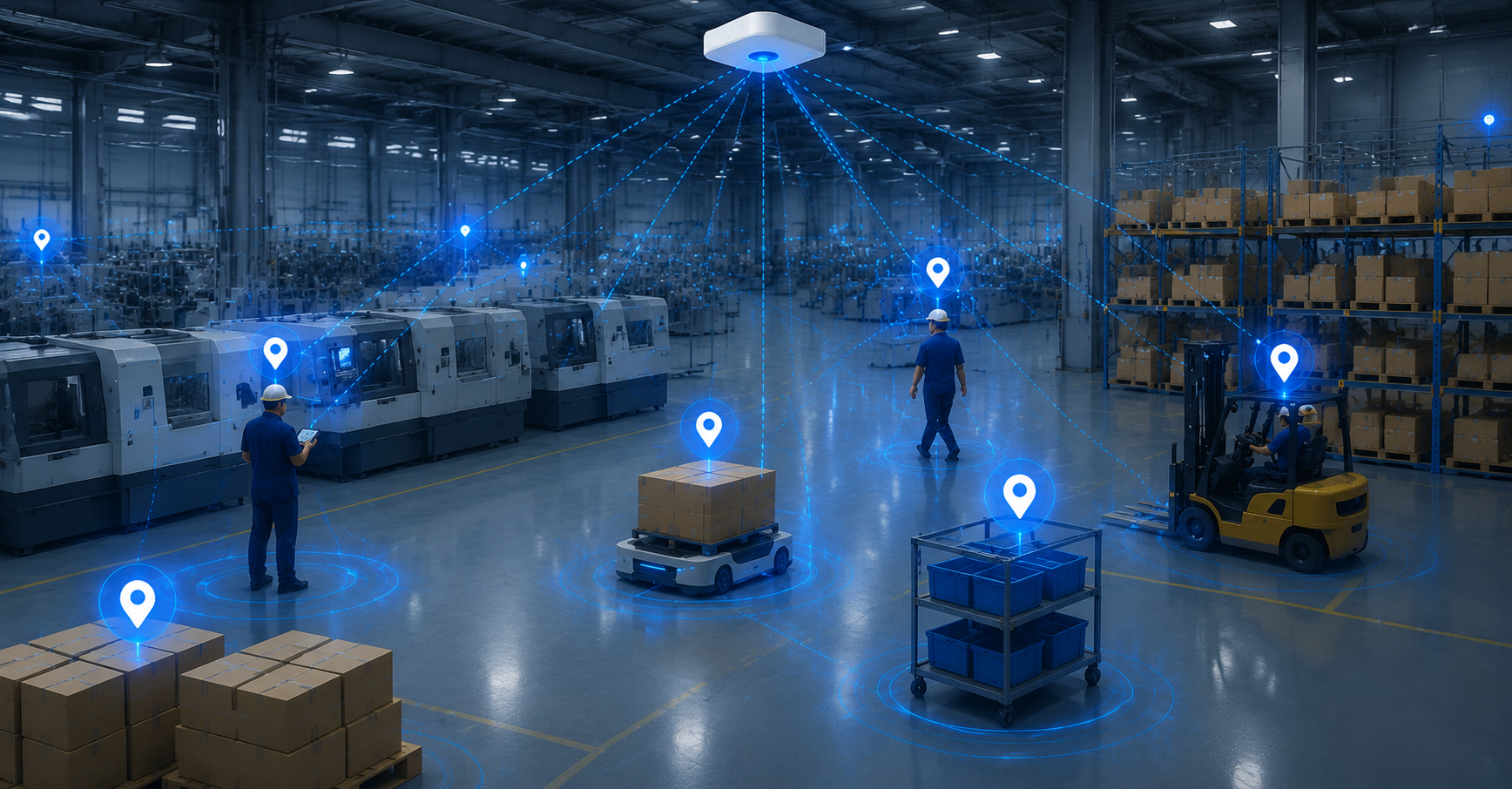
Eforthink deployed UWB asset tracking using positioning base stations and tags installed on material trolleys. Live trolley locations support workshop logistics and connect physical material movement with work-order information.
This production tracking system gives teams visibility into materials moving between processes, supporting more informed scheduling and handling decisions.
Core Technology
The solution uses UWB positioning, with hardware placement and environmental parameters optimized for the workshop. Geofences, location-based IoT integration, statistics and trajectory playback extend material tracking beyond finding a trolley.
These capabilities support WIP tracking by recording where in-process materials move and making location data available to connected enterprise systems.

System Deployment
The deployment established a workshop positioning network using UWB base stations and trolley tags. Each trolley number is bound to its tag's MAC address and linked with work-order information, creating a one-to-one correspondence between the carrier and its digital record.
Regional geofences monitor trolley distribution and automatically collect in-process production data. Movement histories support material traceability, while live distribution data improves asset visibility for workshop teams.
PRACTICAL VALUE
Faster Trolley Retrieval and Turnover
The project reports that trolley search time fell from nearly one hour to several minutes. UWB asset tracking helped workers locate the required trolley sooner, reducing time spent searching across the workshop and accelerating material turnover.
Standardized and Traceable Work Order Management
The production tracking system connects physical trolleys with electronic work-order records, supporting timely updates and consistent matching of in-process material information. This reduces reliance on paper records and helps address lost orders and delayed synchronization.
Teams can query and replay trolley movements by work-order number and time period. WIP tracking therefore supports both current process visibility and review of earlier material transfers.
Better Production Scheduling and Resource Utilization
Integration with the enterprise's scheduling system supports automated production scheduling based on current trolley status. Material tracking data helps teams coordinate trolley use and plan workshop movements.
One-click trolley statistics also support inventory tracking, giving decision-makers a clearer view of available transportation resources. This asset visibility supports more practical allocation across production areas.
Reduced Operational Risks and More Orderly Workshop Processes
Trolley tags and geofences link carriers with processing materials. The production tracking system issues alerts when a trolley follows an abnormal process sequence, helping teams identify problems before further handling.
The deployment also supports orderly trolley parking and workshop procedures. Combined with WIP tracking, these controls help reduce production losses and potential on-site hazards.
SUMMARY
This UWB asset tracking project addresses difficult trolley searches, disorganized material circulation and limited work-order visibility in textile production.
By combining live locations, electronic work orders and movement histories, Eforthink strengthened material traceability and gave the enterprise a practical foundation for digital workshop logistics and production scheduling.