
UWB Indoor Positioning System : Accuracy in Complex Environments
The Challenge of Indoor Positioning
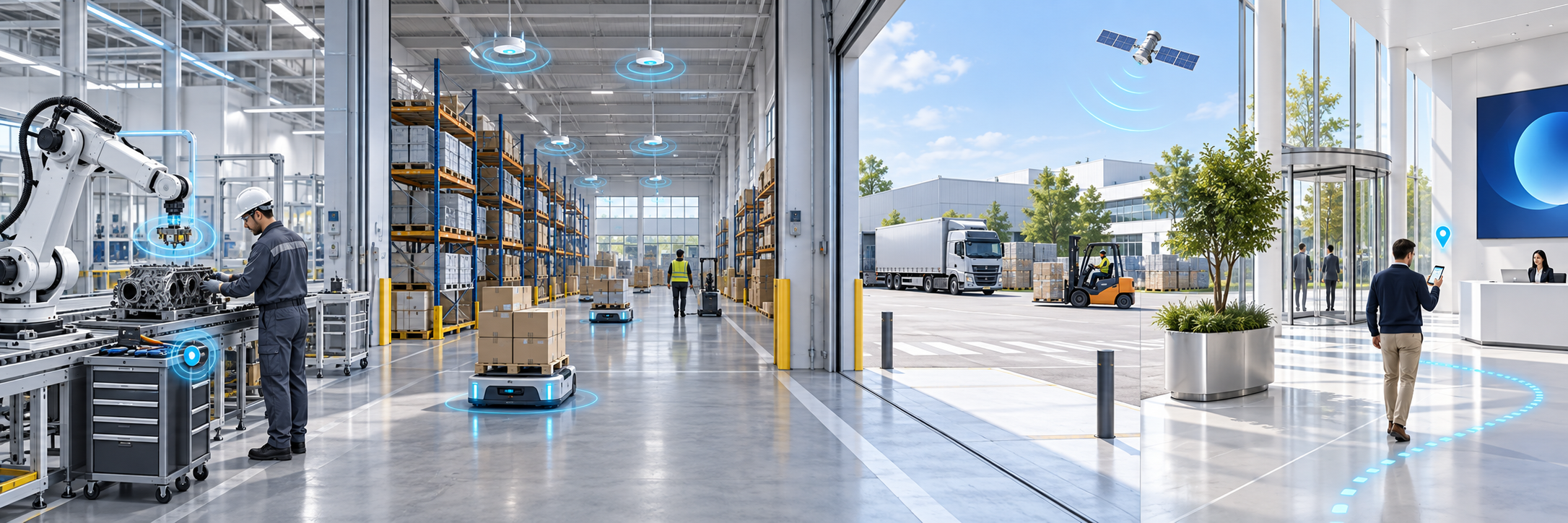
Location information helps industrial teams manage assets, people, equipment, vehicles, and production materials. Satellite navigation supports outdoor operations, but building materials and blocked sky views can make satellite signals unreliable indoors.
Factories, warehouses, hospitals, exhibition centers, and commercial buildings need another way to locate moving resources. The required level of detail varies: identifying a room differs from finding a tool beside a workstation. Meter-level systems can suit general coverage, while more precise applications require finer measurements.
An Eforthink UWB indoor positioning system uses Ultra-Wideband timing measurements to support accurate tracking. The company combines positioning hardware, algorithms, and management tools for industrial assets and people. Its separate navigation offerings use an architecture selected for the intended terminal.
What Is a UWB Indoor Positioning System?
UWB technology uses wideband radio signals and precise timing to obtain measurements for ranging and positioning.
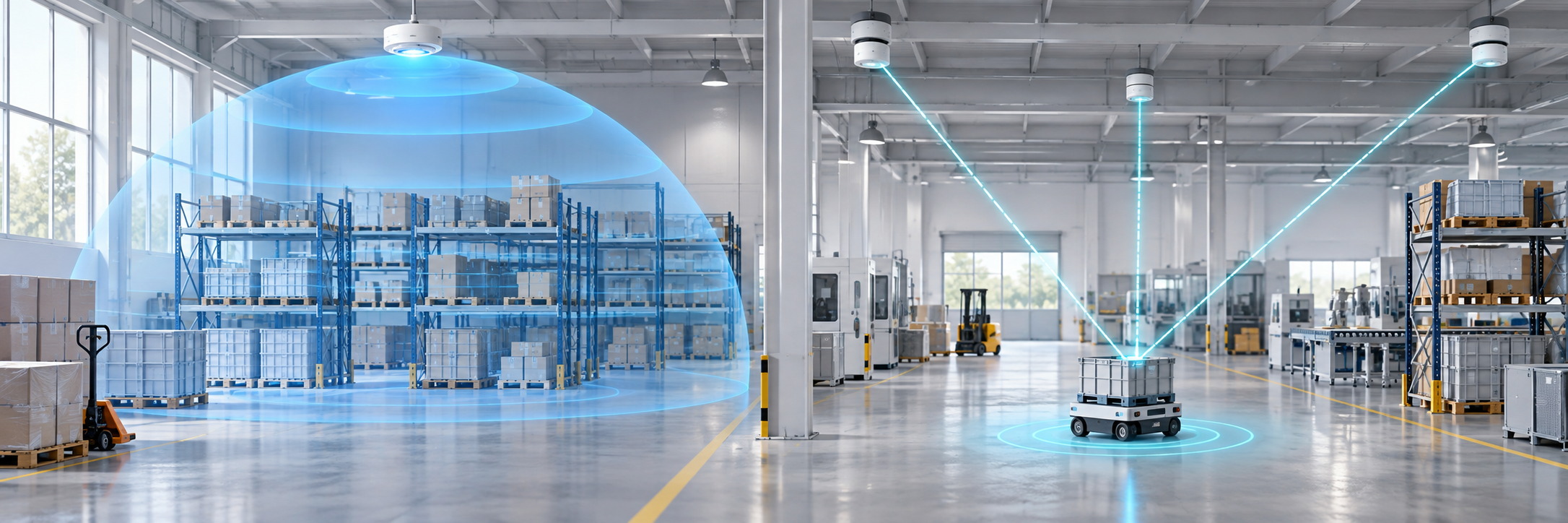
In an uplink installation, tags transmit signals to fixed receivers, and a positioning engine derives coordinates from collected measurements.
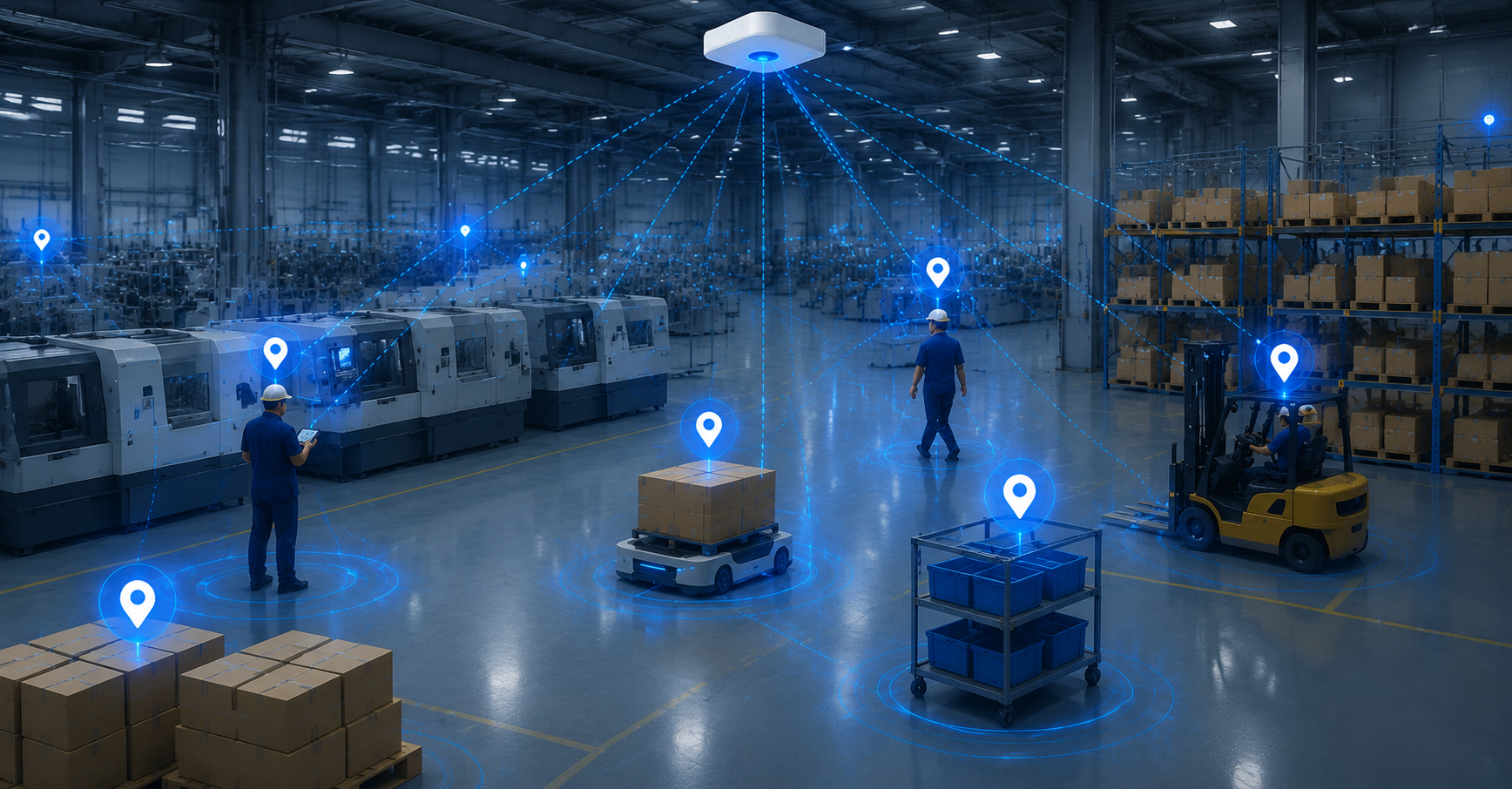
Tags are attached to tools, materials, equipment, or vehicles, or carried by people. Their radio transmissions identify the tracked device and provide measurements for location calculation. The tag form factor and update settings should suit its operating environment.
UWB anchors are installed at surveyed positions. They receive tag signals and forward measurement data to the positioning engine. Layout, synchronization, and coverage affect the resulting coordinates and should be validated during commissioning.
- RTLS Software and Location Management Platform
RTLS software processes or consumes positioning results and displays locations, movement histories, geofences, and management records. Integration links coordinates with business identifiers, giving teams a view of activity within the covered area.
Why Use UWB for Indoor Positioning?
- High Positioning Accuracy
UWB technology supports centimeter-level measurements and positioning in suitable deployments. Compared with meter-level configurations, this detail can help distinguish nearby equipment, materials, and work areas. Actual performance depends on geometry, hardware, signal conditions, and the chosen positioning mode.
The Eforthink high-precision system is designed for industrial deployments requiring fine location detail. A UWB indoor positioning system should be assessed against the accuracy needed for the specific task, rather than a single value applied to every location.
- Resistance to Multipath and Interference
Metal structures, machinery, and moving objects complicate radio propagation. UWB technology helps separate signal paths through precise timing, supporting positioning in these environments. It does not remove all effects of blockage, reflections, or radio interference. Coverage checks and site commissioning remain necessary.
- Real-Time Location Visibility
A tag transmits; multiple UWB anchors receive its signal; the positioning engine calculates coordinates; and RTLS software displays the result. Time-of-flight methods use signal travel time for ranging. TDoA uses differences in arrival times at synchronized receivers to calculate position. These related methods should not be treated as identical measurements.
How Does a UWB Indoor Positioning System Work?
A tag transmits; multiple UWB anchors receive its signal; the positioning engine calculates coordinates; and RTLS software displays the result. Time-of-flight methods use signal travel time for ranging. TDoA uses differences in arrival times at synchronized receivers to calculate position. These related methods should not be treated as identical measurements.
Indoor Positioning Applications
Industrial Asset Tracking
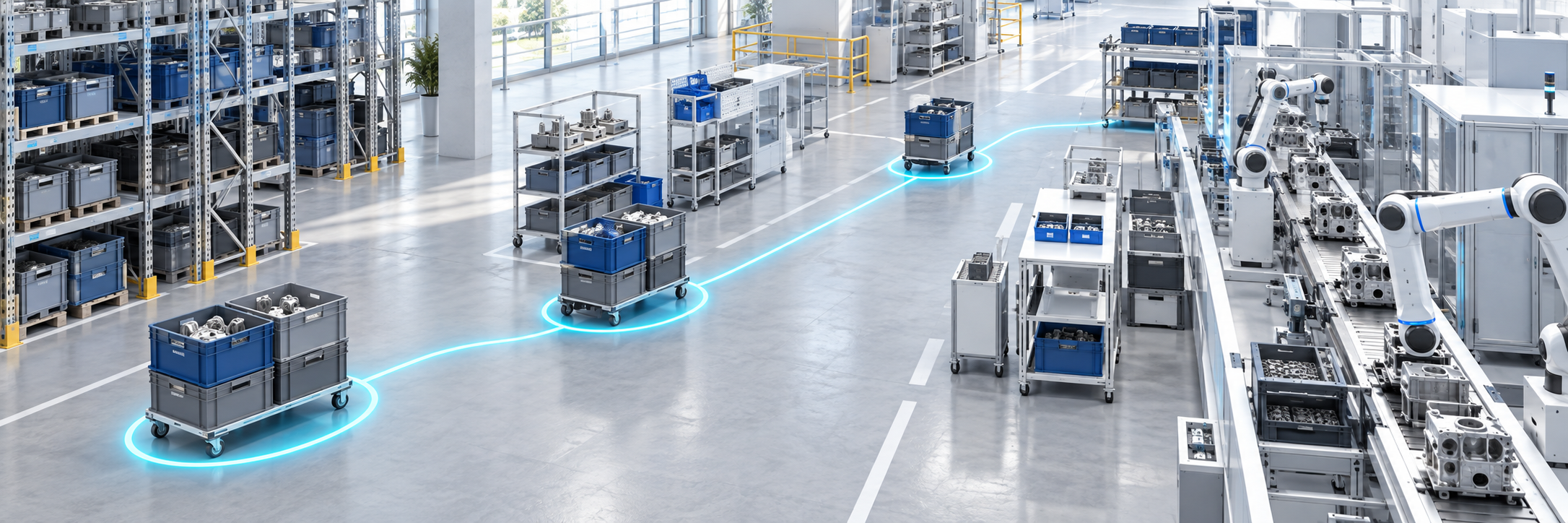
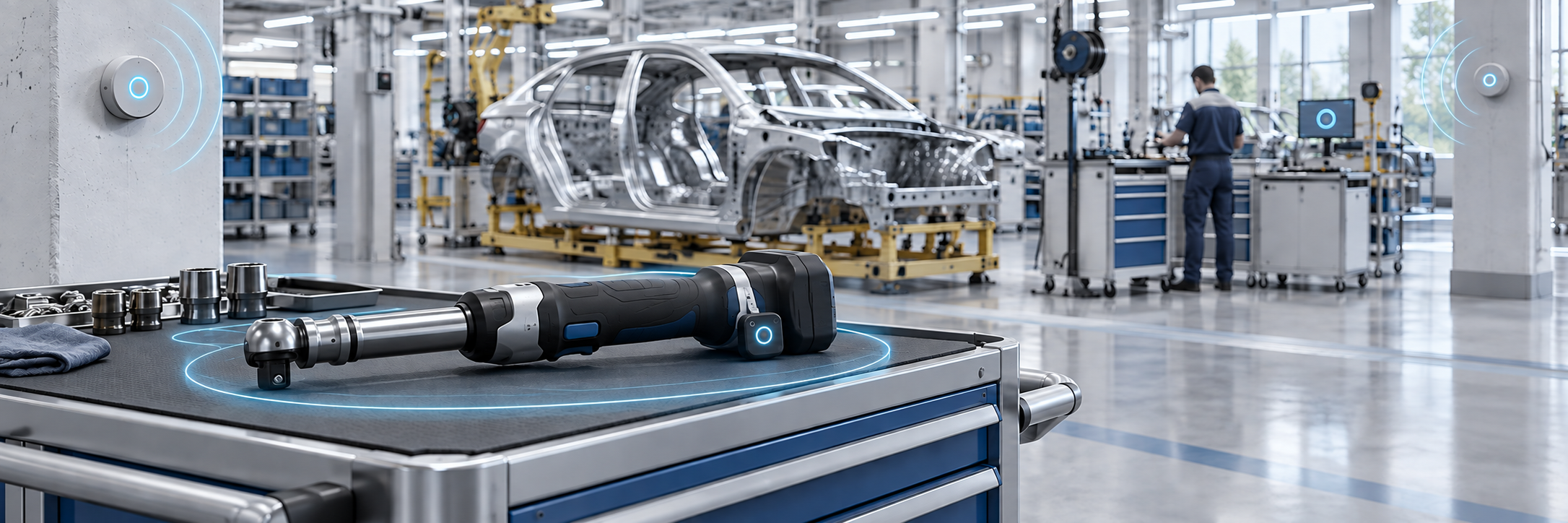
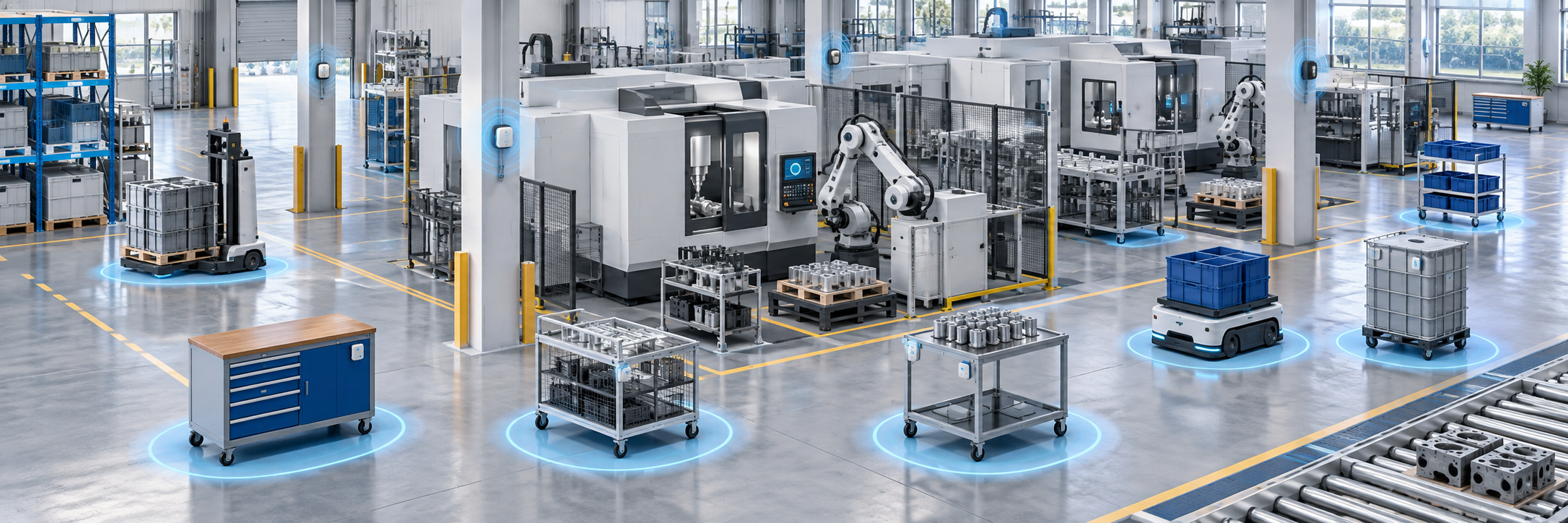
UWB asset tracking helps locate production tools, materials, and mobile equipment across workshops and warehouses. Current coordinates can reduce manual searching, while history helps explain how resources moved between work areas.
Personnel Positioning and Safety Management
Personnel tracking supports location display, restricted-area rules, and safety monitoring. Alerts identify configured events for review and response; they complement established safety procedures and access controls.
Industrial RTLS Applications
A UWB indoor positioning system supplies the location layer for manufacturing, warehouse logistics, and healthcare applications. Connecting this layer with operational systems supports broader resource and workflow management.
Eforthink UWB Indoor Positioning System
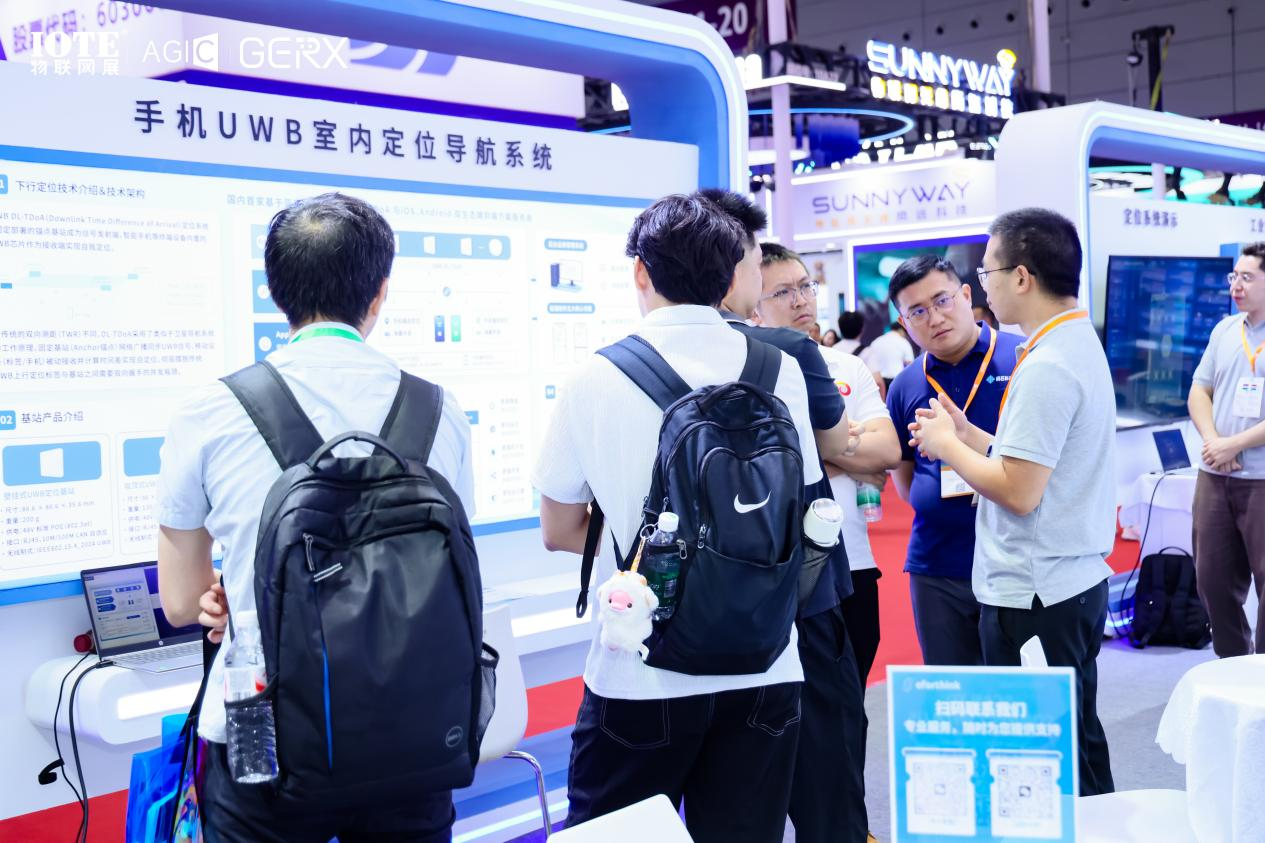
Eforthink combines hardware, location algorithms, and platforms for UWB asset tracking and personnel tracking. Smartphone navigation is a separate use case with its own terminal, operating-system, and deployment requirements.
Putting Location Data to Work
Choose the precision, coverage, and integration needed for the operation. A pilot should include the working routes, typical obstructions, tracked resources, and application decisions that matter to the operating team. Explore Eforthink's high-precision positioning system, UWB and BLE AoA fusion platform, and industrial asset solution to identify a suitable deployment.
Explore eforthink UWB Positioning Solutions.
Recommended pages:
- UWB High Precision Positioning System