





UWB Indoor Positioning vs AOA for Location Applications
UWB indoor positioning and Bluetooth location technologies support different requirements for accuracy, infrastructure, power, and user devices. Choosing between UWB indoor positioning, Bluetooth beacons, and Bluetooth AoA starts with the location detail needed by the application.
Understand iBeacon positioning
For BLE indoor positioning, iBeacons broadcast signals that receivers or smartphones can detect. Received signal strength provides information for estimating proximity or location. iBeacons localization can support broader location awareness where precise coordinates are not required.
Bodies, walls, reflections, and phone orientation affect signal strength. Compare this behavior with the requirements for UWB indoor positioning when the application needs to distinguish nearby workstations or assets.
Understand AoA
Angle of Arrival uses antenna arrays to measure signal direction. Its positioning performance depends on antenna installation, calibration, geometry, signal blockage, and reflections.
AoA and UWB indoor positioning can be combined in a fusion design. EFORTHINK's UWB and AoA system uses the technologies across areas with different accuracy and coverage requirements. This allows UWB indoor positioning to serve critical zones while AoA serves other suitable areas.
Understand UWB timing measurements
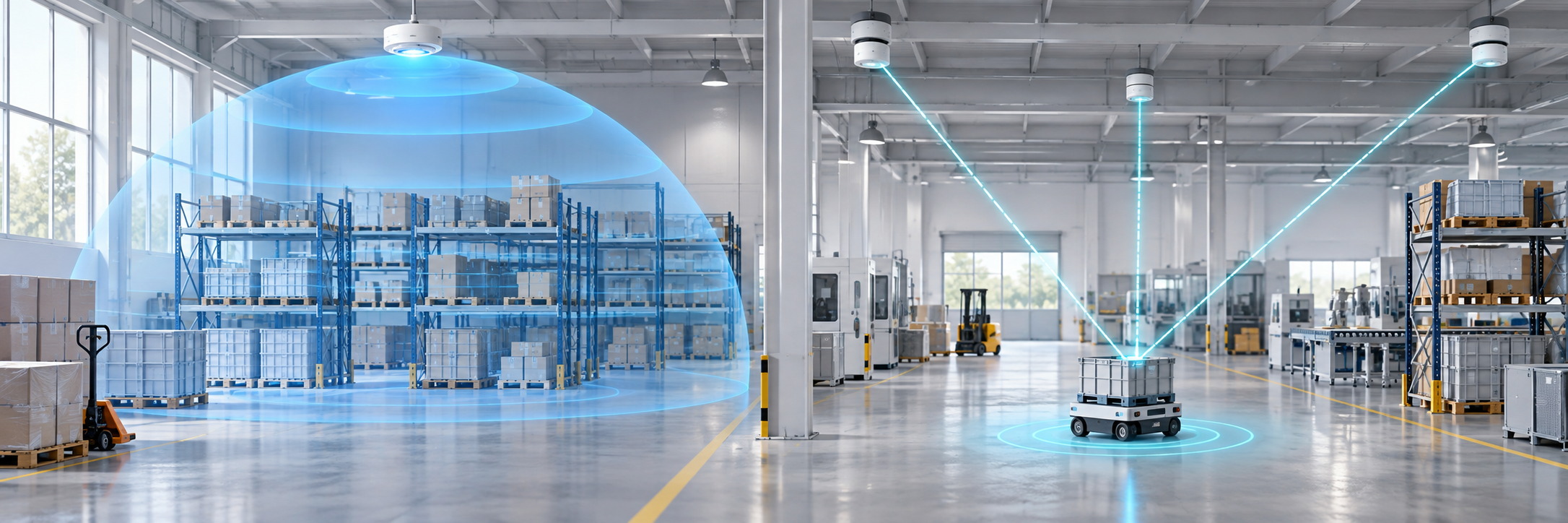
UWB indoor positioning uses wide-bandwidth signals for precise timing measurements. Depending on the architecture, positioning can use signal flight time or arrival-time differences at fixed infrastructure.
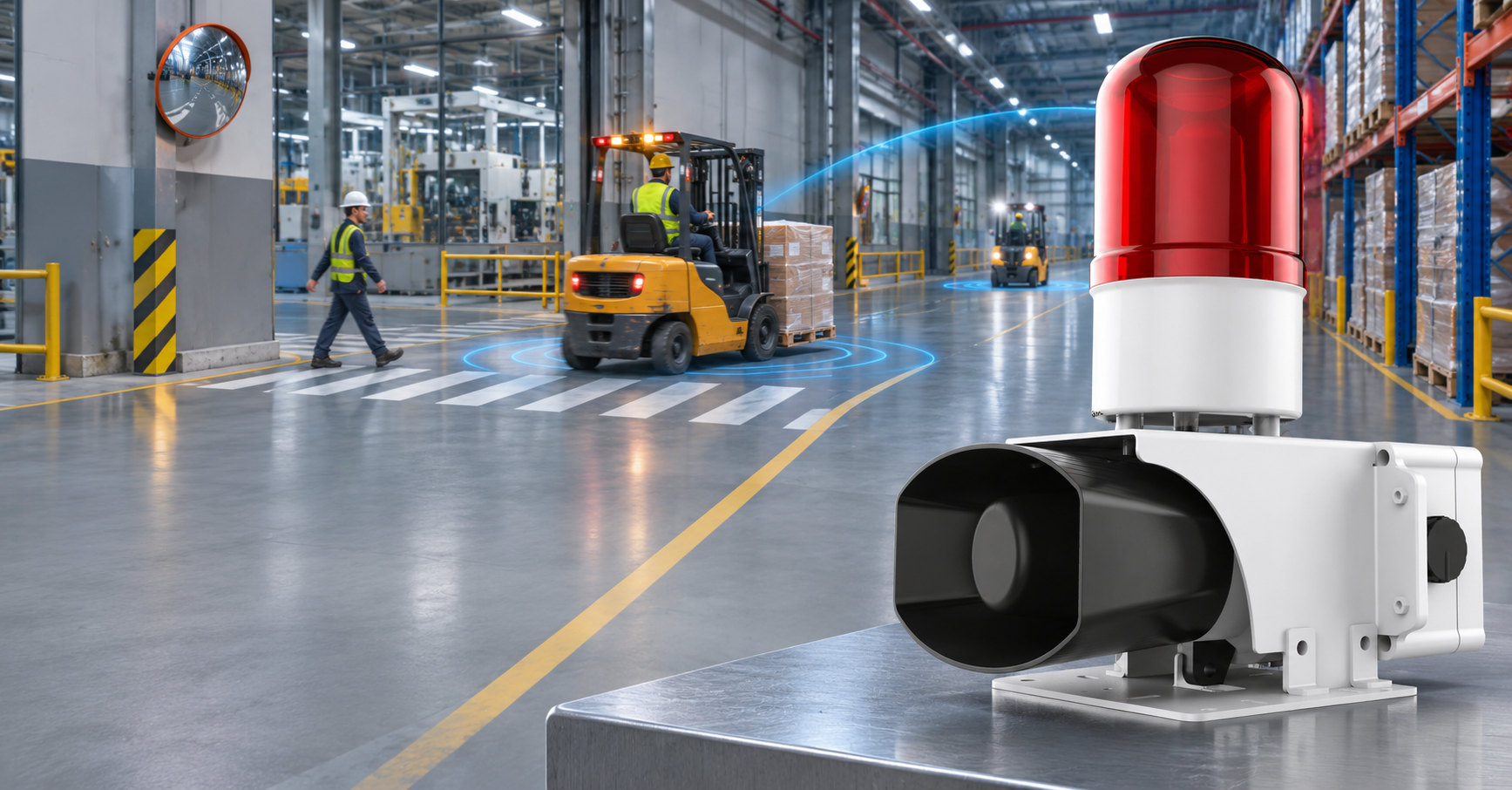
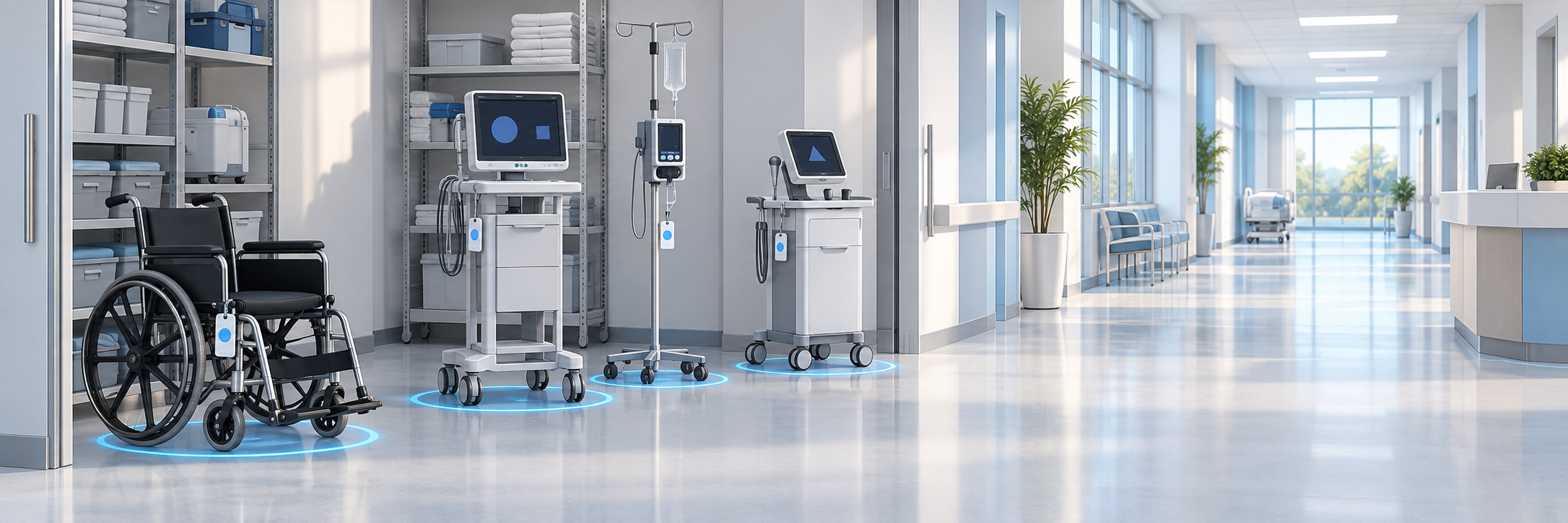
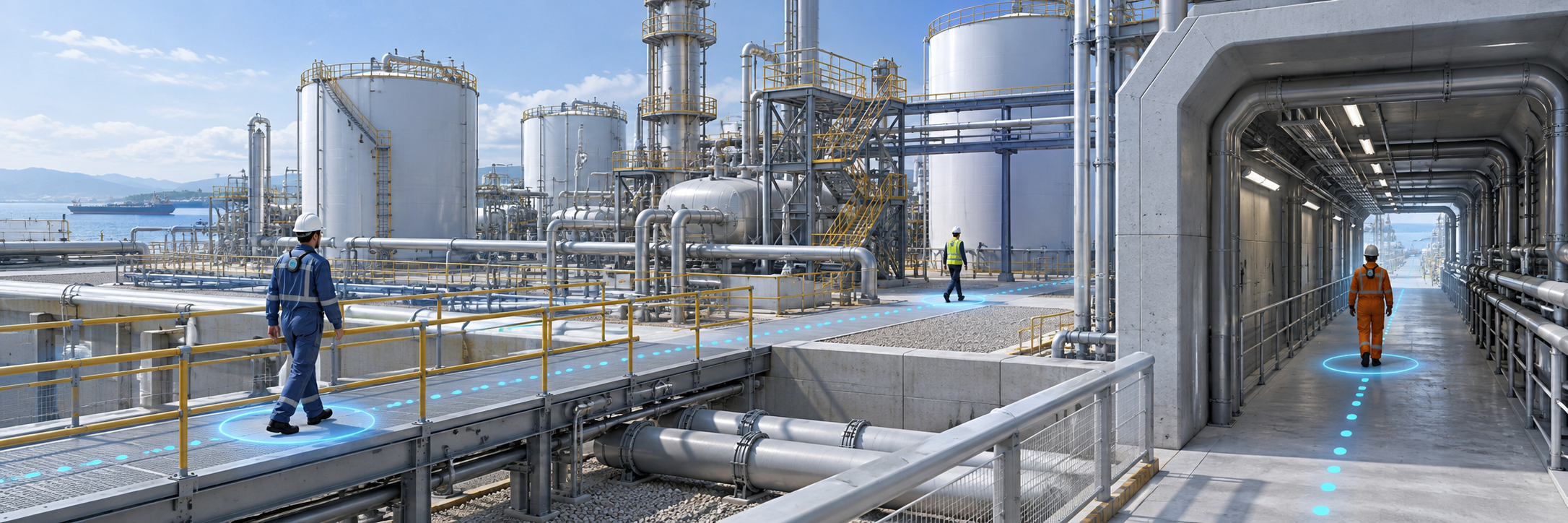
For industrial tracking, UWB indoor positioning connects tagged tools, assets, vehicles, and personnel with a location platform. The platform can display maps, trajectories, geofences, and configured alarms.
EFORTHINK's high-precision system supports centimeter-level positioning, with module accuracy reaching 10 cm. Achieved UWB indoor positioning accuracy depends on deployment conditions, anchor geometry, obstructions, and configuration.
Distinguish asset tracking from phone navigation
UWB indoor positioning for industrial assets normally uses dedicated tags. Smartphone navigation uses a different device role and signal arrangement.
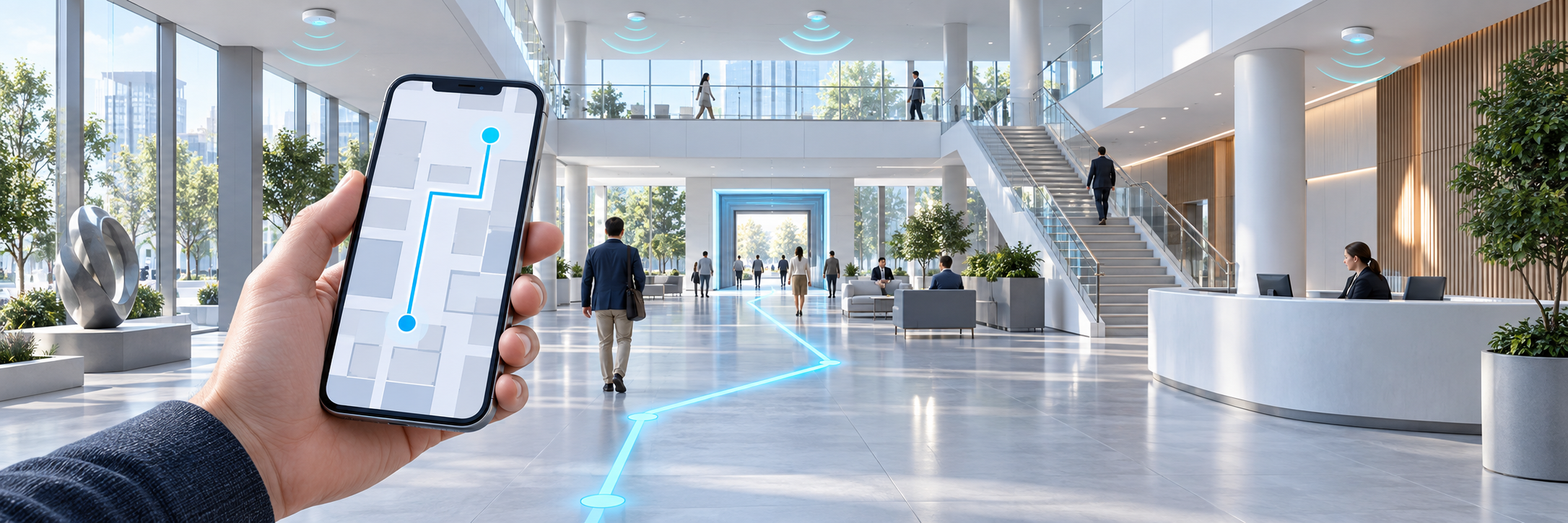
EFORTHINK's DL-TDoA system applies UWB indoor positioning through synchronized anchors that transmit downlink signals. Compatible smartphones receive the signals and calculate position locally. Maps and navigation algorithms then provide guidance and arrival detection.
Phone-based UWB indoor positioning depends on the supported model, regional hardware, operating system, and application integration. A built-in UWB chip alone does not establish compatibility with the navigation system.
Select technology by the operational decision
Consider Bluetooth beacon positioning when approximate location is sufficient. Consider AoA where its antenna infrastructure and positioning performance fit the area. Use UWB indoor positioning where precise location supports asset search, process verification, or navigation.
Compare each indoor location technology by device selection, installation, power, maintenance, and application interfaces. UWB indoor positioning is part of a complete location system, and the business workflow determines which information is useful.
Check the selected design with actual devices, mounting, movement, and obstructions. For a fusion deployment, include transitions into and out of UWB indoor positioning coverage.
Share your location requirements, tracked objects, facility map, and device ecosystem with EFORTHINK to compare UWB indoor positioning with Bluetooth and fusion options.