

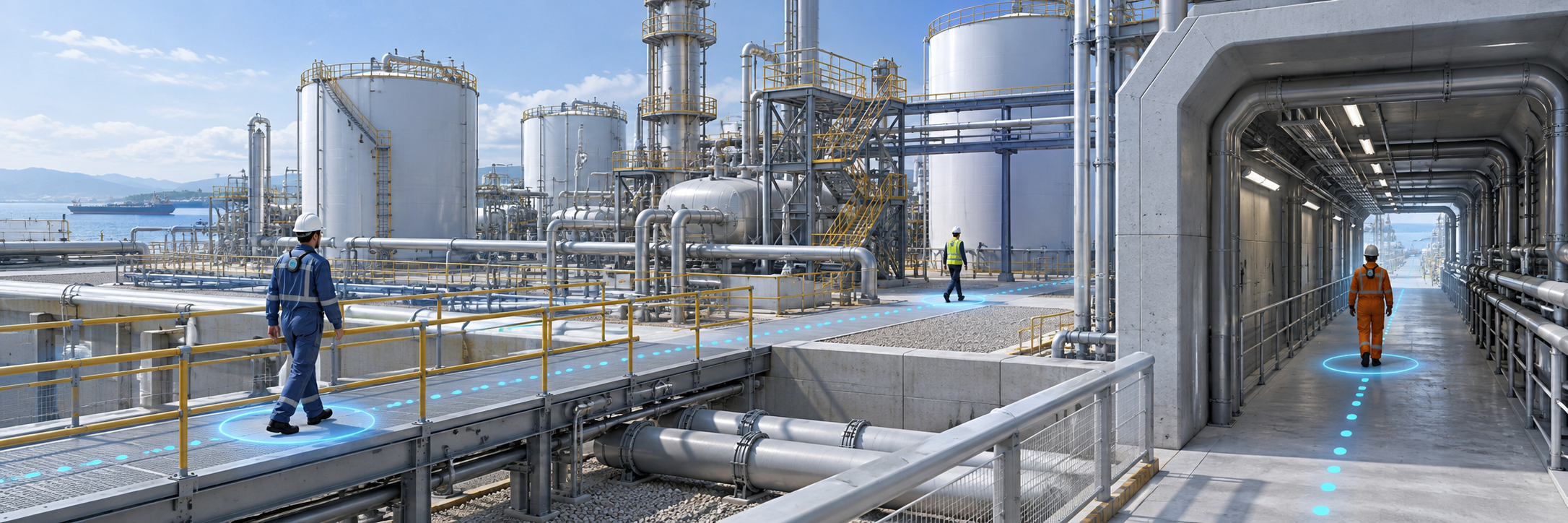

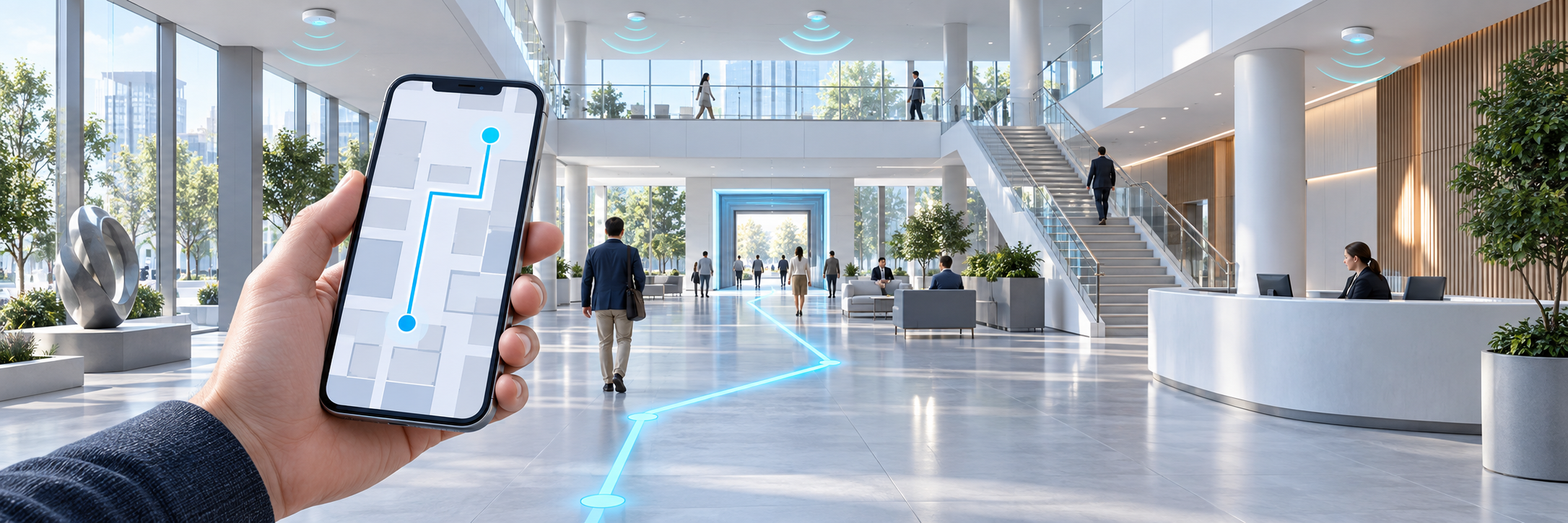

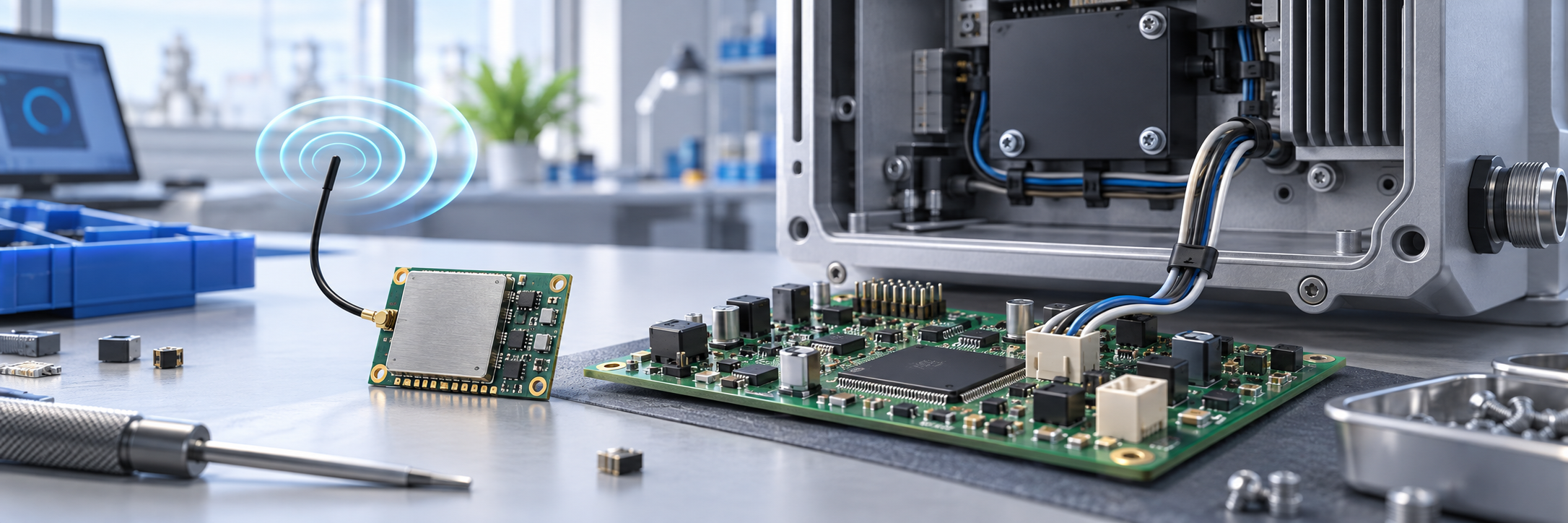
UWB RTLS: Real-Time Visibility for Industrial Operations
Know Where Your Assets Are. Understand Their Movements.
Factories, warehouses, and industrial facilities manage moving materials, tools, equipment, and containers. One practical question can still interrupt daily work: where is the asset now?
Manual records, periodic inventory checks, and reader-zone identification provide useful information, but they may leave gaps between observations. UWB RTLS helps close those gaps by connecting physical movements with a digital location platform.
What Is UWB RTLS?
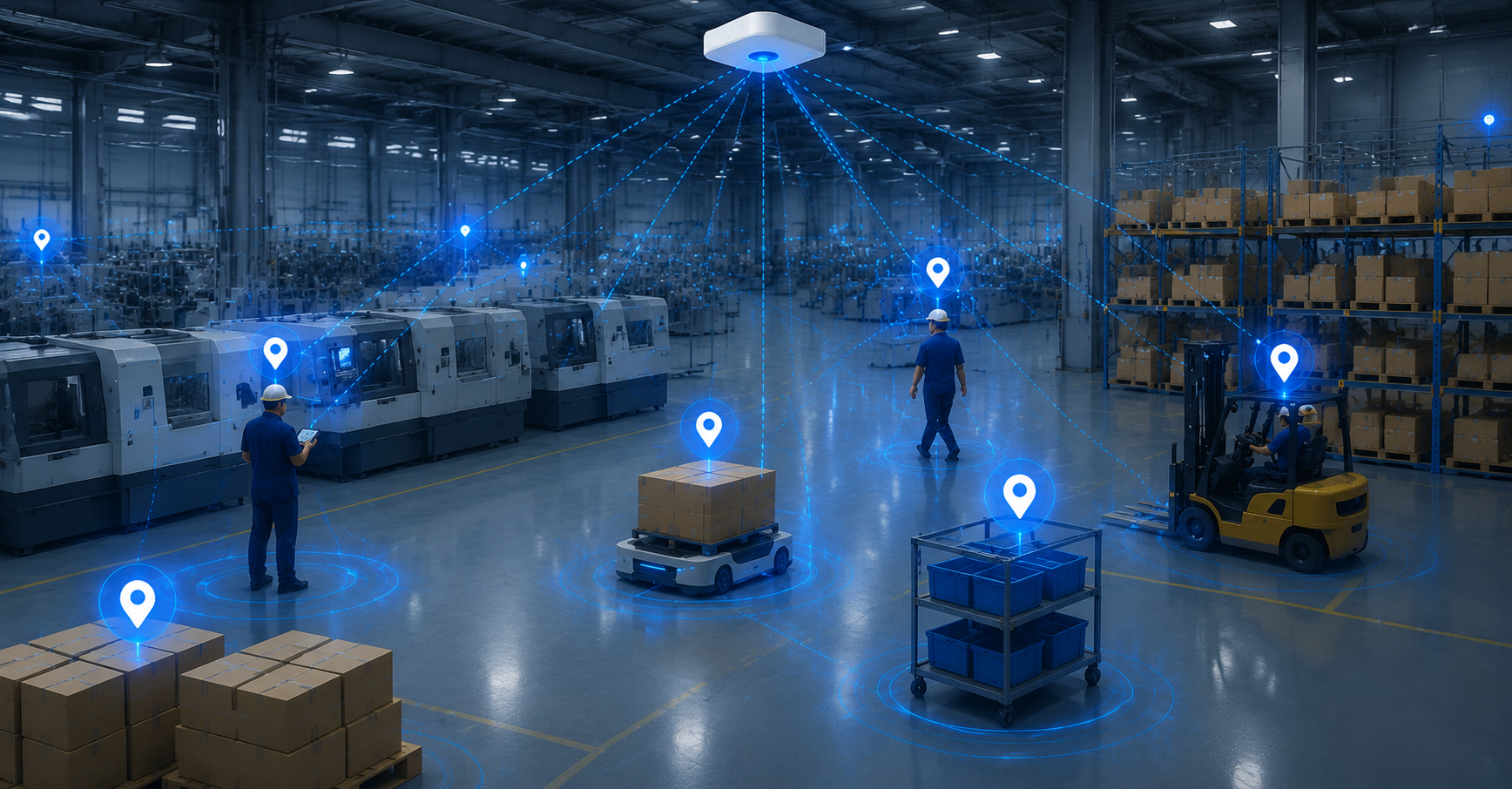
The system combines Ultra-Wideband positioning with software for viewing and managing tagged objects. In uplink TDoA deployments, tags transmit signals to synchronized receiving anchors. The positioning engine calculates coordinates from differences in signal arrival times. Time-of-flight ranging uses measured signal travel times instead; the measurement method depends on configuration.
Install UWB anchors around the facility and attach compatible tags to the assets being monitored. The resulting coordinates let teams see an asset's current position and review its route. Achieved precision depends on layout, obstructions, and commissioning.
UWB asset tracking therefore provides more detail than knowing only that an item was detected within a particular reader area.
From Location Data to Operational Visibility
Use the platform to support these daily tasks:
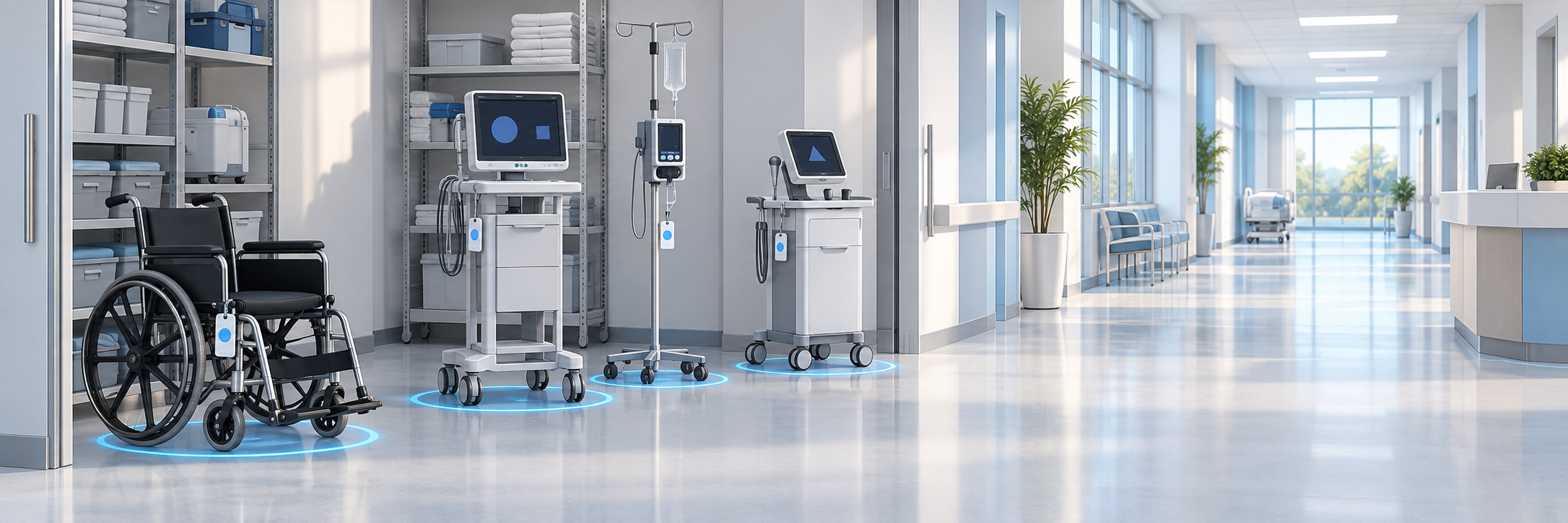
- UWB asset tracking: Find tools, equipment, and valuable mobile assets.
- Material tracking: Follow materials through production and storage areas.
- Equipment management: See how equipment moves between workstations.
- Inventory management: Reduce searching when reconciling recorded and observed locations.
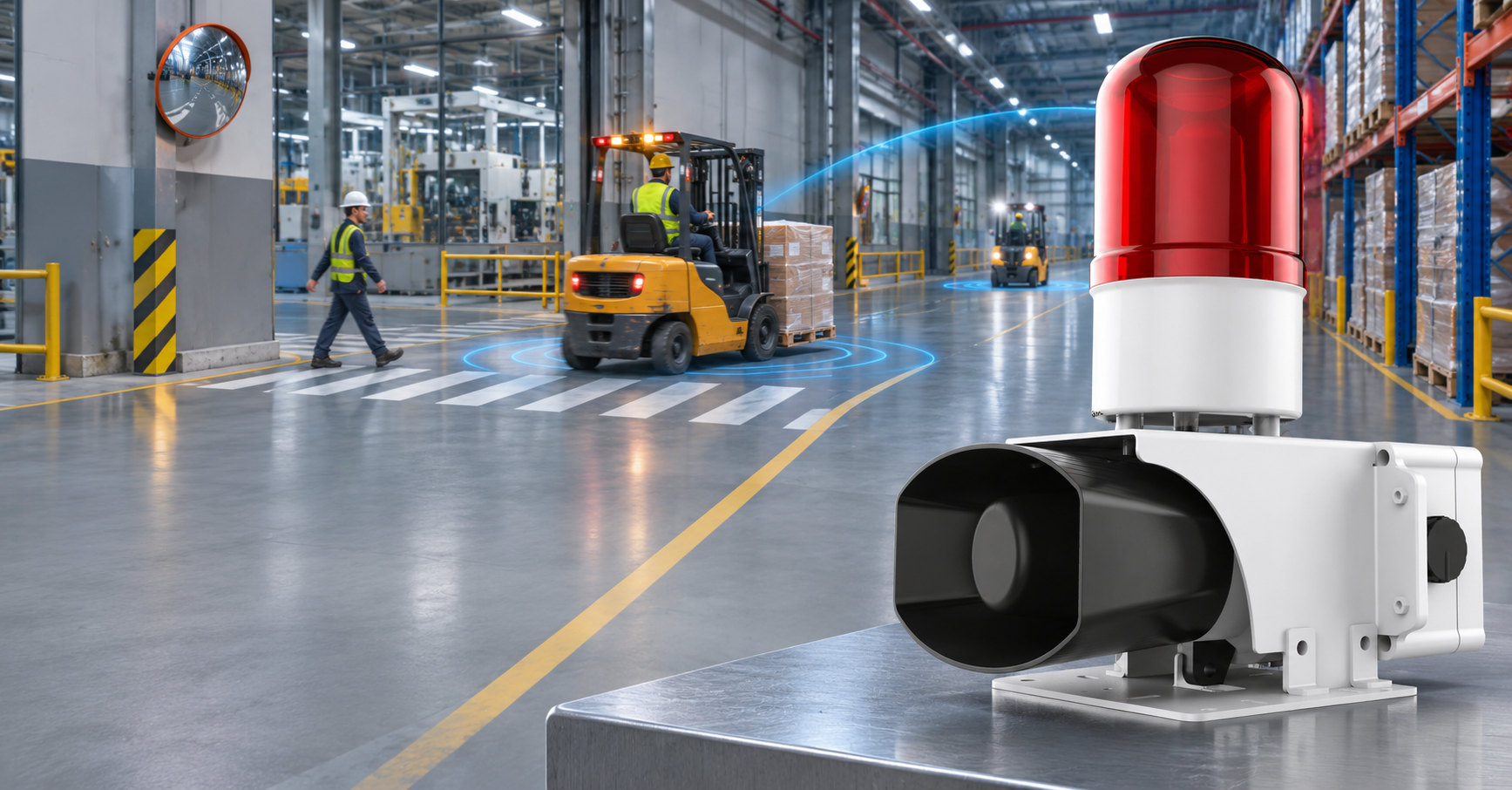
- Movement monitoring: Identify events that breach configured area rules.
- Traceability: Review timestamped movement histories during investigations.
These functions improve asset visibility and provide a location context for operational records.
Where Can UWB RTLS Be Used?
- Manufacturing: Coordinate materials, tools, and equipment across workstations.
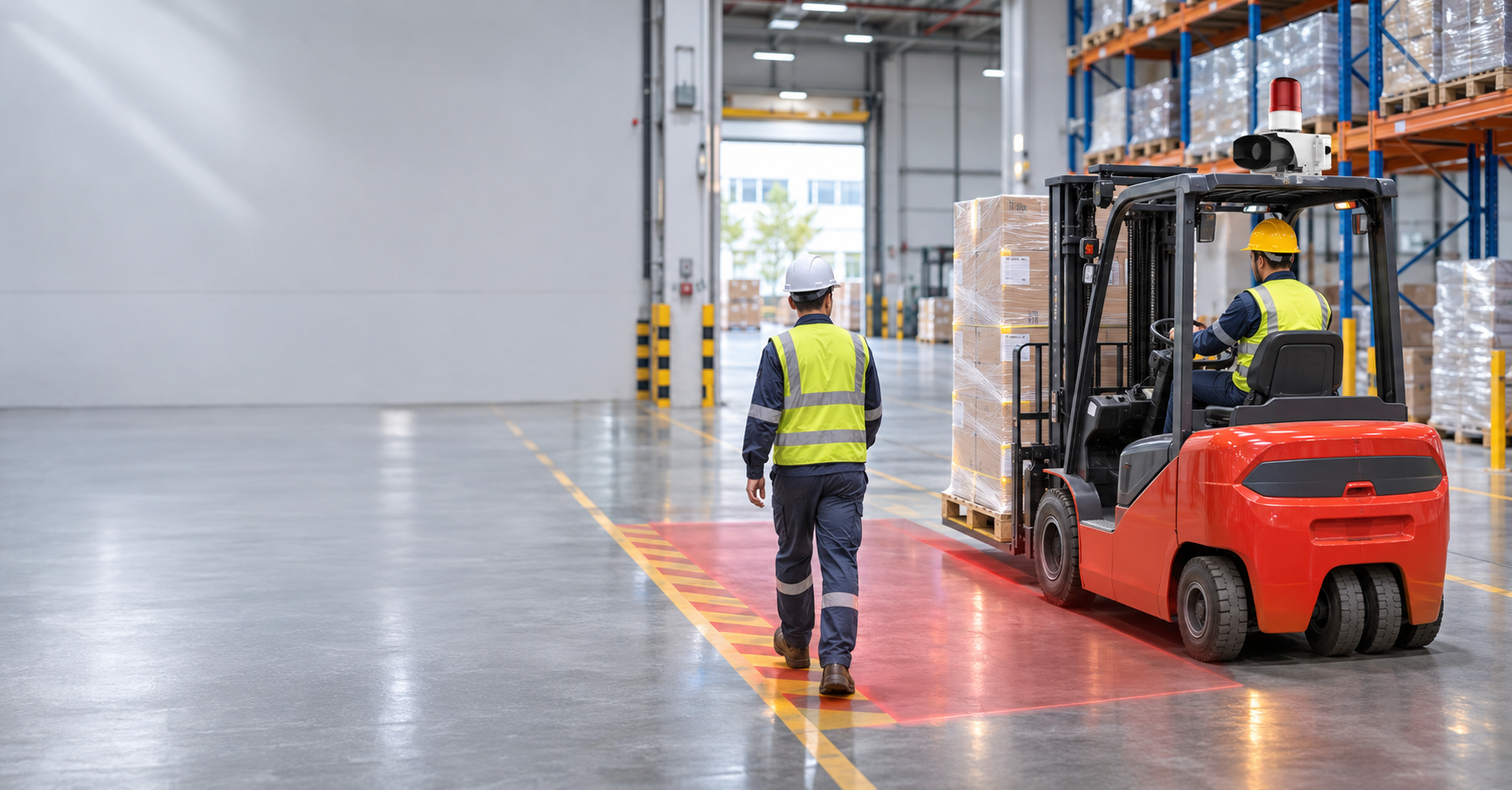
- Warehouse and logistics: Apply material tracking to containers, handling vehicles, and goods moving through storage areas.
- Cleanrooms: Monitor critical resources while reducing unnecessary manual searches.
- High-security facilities: Support asset visibility, movement monitoring, and traceability alongside the site's access and data-protection controls.
Deployment design must reflect each environment's installation, maintenance, and security requirements.
Building a More Visible Industrial Future
Industrial digitalization needs reliable observations of physical activity. Location histories help teams understand where resources move, where delays occur, and which events need review. Integration connects those observations with production, logistics, and asset records.
Eforthink provides the positioning hardware and software needed to build this location layer.
Maps, asset identifiers, and interface requirements help define the scope of each installation.