
Healthcare RTLS for Nursing Home Management
Nursing homes need practical ways to locate residents and staff, review activity, and respond when someone needs assistance. A personnel tracking system combines current positions, geofencing, movement histories, and emergency notifications in a shared management platform. These observations support the daily work of care teams and facility managers.
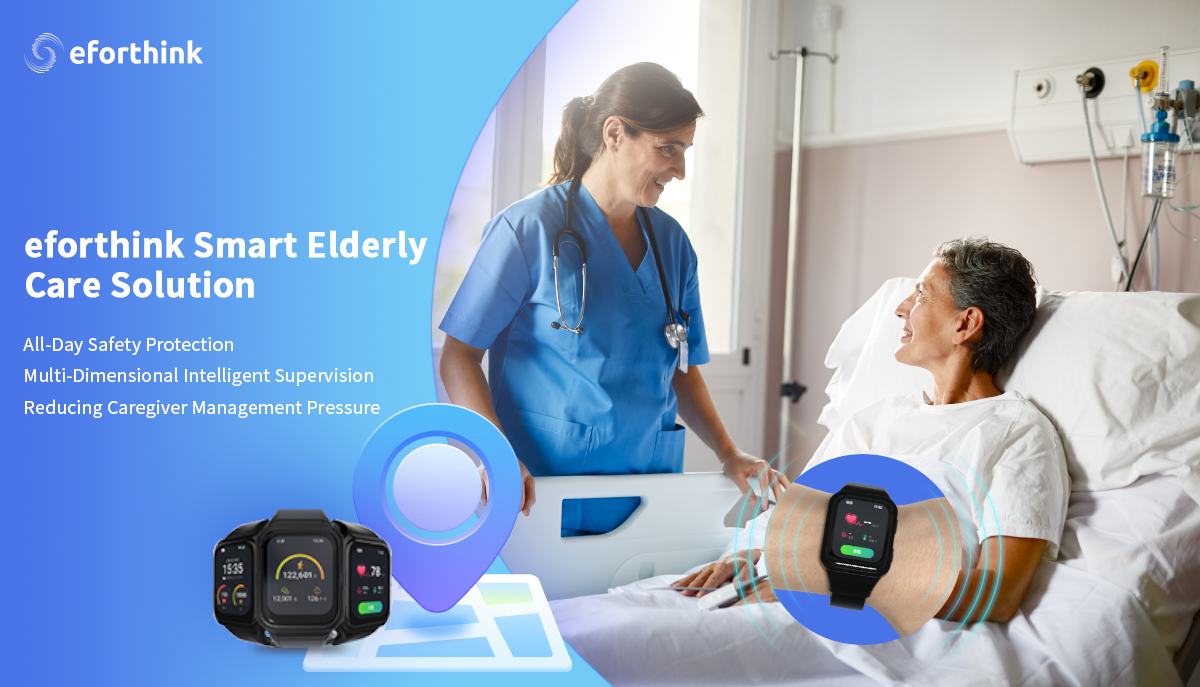
Eforthink's indoor positioning system combines UWB with AoA-based multimode positioning and wearable location tags. The solution connects resident and staff locations with area alerts, calls for assistance, and integrated care information. Used as a patient tracking system for an elderly-care setting, it supplies location context for care teams delivering professional, hands-on assistance.
How Can Real-Time Positioning Support Nursing Homes?
Real-Time Positioning and Movement Histories
The healthcare RTLS platform combines fixed positioning base stations with multifunction wristbands serving as location tags. A visual interface shows residents and staff within the covered areas, helping managers understand activity and locate someone who needs attention.
The described solution supports three related functions:
- Fine location detail: The described solution specifies positioning error below 30 centimeters for the UWB component in public activity areas, corridors, and similar spaces.
- Historical movement: The personnel tracking systemlets staff search a person's earlier route by time and area. These records can assist a search for a missing resident and provide context for reviewing activity.
- Crowding alerts: Heatmaps show areas with higher occupancy so staff can review congestion and organize assistance. Healthcare RTLS identifies location patterns that help staff organize supervision and assistance.
Geofencing and Video Monitoring
Staff can draw virtual boundaries on the indoor positioning system map around important locations, including building entrances and nursing-home gates. When a resident's location tags indicate movement beyond the permitted area, the platform issues an alert and can link the event with on-site video.
This combination helps the team identify the location and review the situation before deciding how to respond. The patient tracking system brings area events into the care workflow for timely staff review.
- Dynamic boundaries: Set monitored zones around power-distribution rooms, medicine-storage areas, and other restricted spaces. The configured rules can trigger audio-visual alarms and notifications to nursing terminals.
- Role-based permissions: Apply different area permissions to residents and authorized staff. RTLS technologyidentifies relevant location events for the connected access-management process.
- Dwell-time alerts: Review unusually long stays in toilets, shower rooms, or other designated areas. An alert indicates that a welfare check may be needed.
Calls for Help and Emergency Coordination
Residents can use an SOS control on their wearable device to request assistance. The personnel tracking system associates the request with the resident's location so nursing staff can find them. Boundary breaches, extended dwell times, and prolonged inactivity can also produce alerts for review.
The healthcare RTLS application describes several connected response functions:
- SOS notification: A call from location tags sends the resident's position to the designated nursing terminal, including a nearby nurse's handheld device within the configured dispatch workflow.
- Fall alerts: Compatible wearables use accelerometer information and AI-based detection to flag a potential fall and initiate the described three-level alert process. This sensor function works alongside RTLS technology; care staff assess alerts and arrange the appropriate response.
- Emergency planning: The patient tracking system can support evacuation-route guidance during incidents such as fires or earthquakes. The indoor positioning system supplies location context, while route guidance follows the site's emergency plan and available incident information.
Healthcare RTLS helps teams coordinate notifications and locate residents during a response. Staff remain responsible for checking the situation and providing the appropriate assistance.
Information for Personalized Care Plans
Regular examinations and health-monitoring records provide information for individual care plans. The patient tracking system can bring recorded heart rate, blood pressure, and blood glucose information into reports alongside location context.
Relevant monitoring devices and entered clinical records supply these measurements, while UWB supplies location context. The care team uses the combined information to review needs and plan services; healthcare RTLS helps staff access the context needed for care planning.
Nursing-Home Management Efficiency
- Staff routes: Use resident distribution from the indoor positioning system with task priorities to plan nursing rounds and reduce unnecessary movement between locations.
- Working-time records: Location tags provide observations of staff presence in resident rooms and shared areas. Combined with care records, these observations support reviews of service time and response efficiency.
- Resource use: RTLS technology supports analysis of the use of rehabilitation equipment and activity spaces. Managers can review busy periods and usage patterns when allocating resources and planning schedules.
Eforthink's personnel tracking system connects locations, area events, and care-related records to support nursing-home management. By bringing these observations together, the patient tracking system can reduce repeated searches and manual coordination while helping staff organize daily care. The value of healthcare RTLS lies in making relevant information available to the people responsible for residents' well-being.