

Why Transportation Hubs Need Indoor Guidance
Transportation hubs must guide passengers through unfamiliar buildings, busy transfer routes and multiple levels. Static signs remain useful, but passengers also benefit from knowing their current position and the route to a specific destination. An indoor navigation system can bring this context into the passenger’s phone.
The Challenge of Navigating Large Hubs
Complex Layouts and Passenger Movement
Airport terminals, railway stations and metro interchanges contain boarding gates, platforms, transfer corridors and service facilities. A short distance on a floor plan may involve a different level or a restricted passage. UWB navigation can supply position information to an application that understands these mapped routes.
Limited Satellite Positioning Indoors
Satellite signals can be weakened or blocked inside buildings. Consequently, outdoor GPS guidance alone may not provide the detail required for an indoor passenger journey. Indoor location services need a positioning approach suited to the building and the user’s device.

Why Positioning Accuracy Matters
An indoor navigation system must distinguish useful destinations and support timely route instructions. A pilot route can include entrances, lifts, transfer corridors and a destination, so transport operators can review the full journey with participating users. The required accuracy depends on corridor spacing, route design and the service being offered. It should be evaluated together with update behavior and floor transitions.
Different indoor technologies suit different requirements. UWB technology uses timing measurements to support fine-grained location estimates. This can be valuable where a transport operator needs more detail than broad zone identification.
How UWB Supports Indoor Guidance
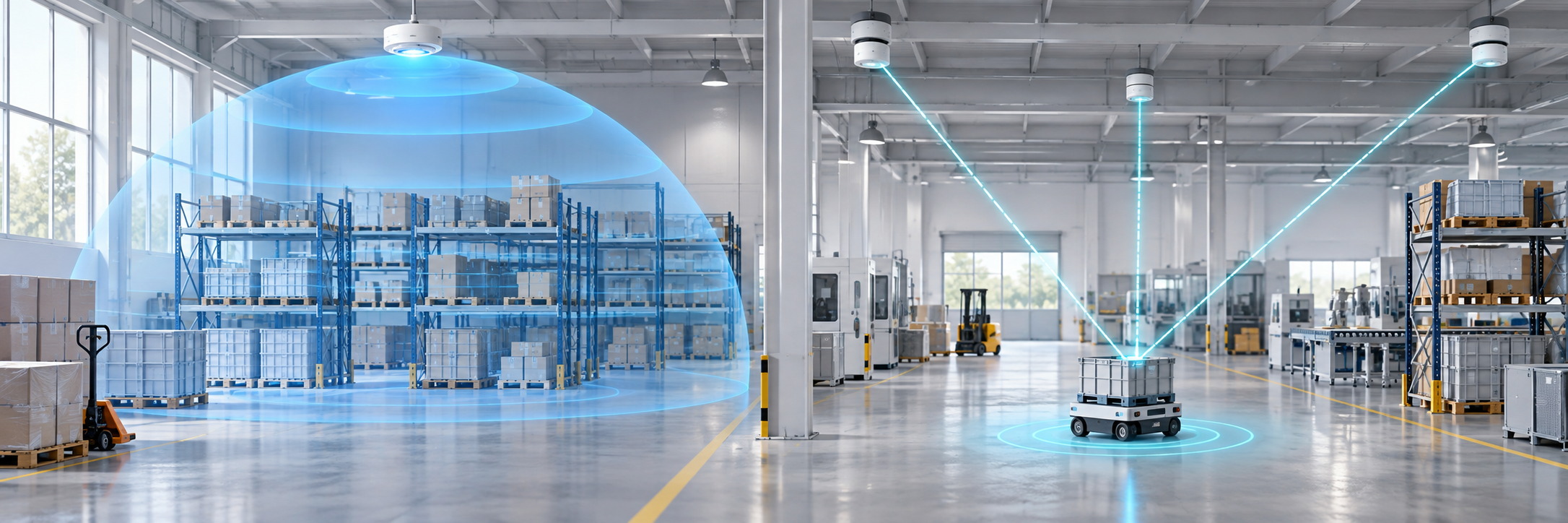
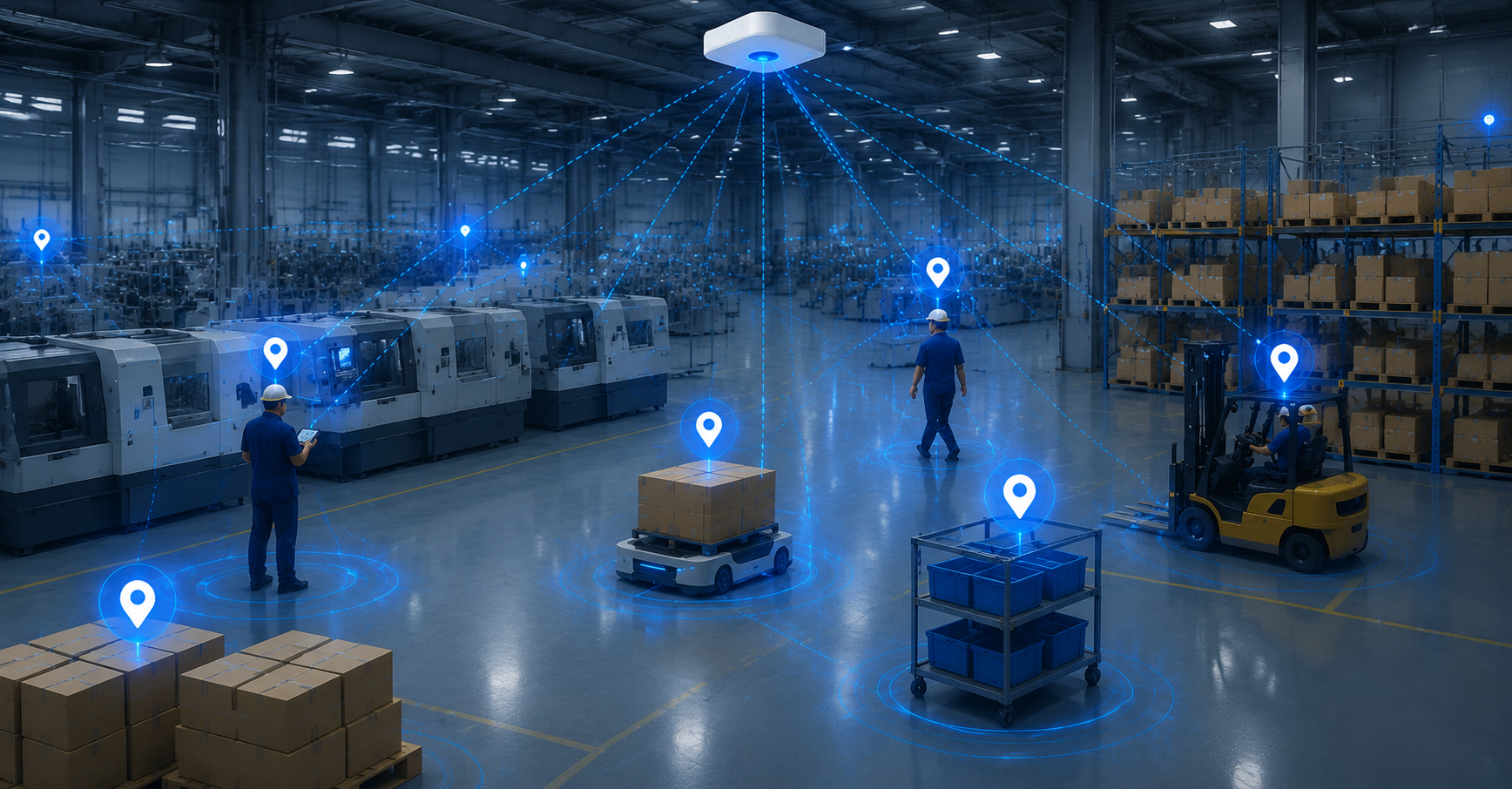
UWB navigation connects positioning data with a digital map. In Eforthink’s DL-TDoA implementation, positioning anchors transmit signals and compatible smartphones calculate position locally. The indoor navigation system requires validated device support and an integrated application.
The approach supports receiving devices without a separate two-way ranging exchange for each phone. Metal structures, obstructions and anchor geometry still influence performance, so UWB technology should be assessed within representative passenger routes.
Building Better Passenger Services
Indoor location services can help passengers find gates, platforms, restrooms and service counters. Operational feeds can update destinations when integrated with the venue’s application. UWB navigation supplies the location component; venue maps and service data determine what the passenger sees.
Learn How UWB Enables Smarter Transportation
Eforthink’s transportation solution explains the infrastructure and integration behind UWB navigation. Explore how an indoor navigation system could fit your hub’s layout, supported phones and passenger service priorities.