Leave Your Message
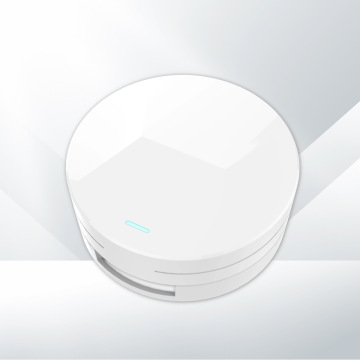
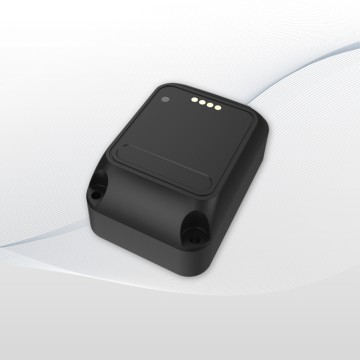
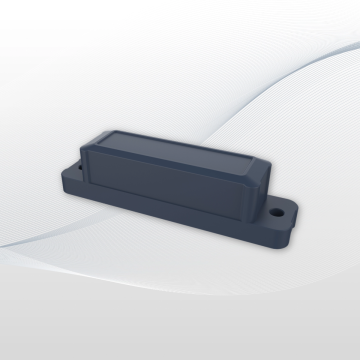
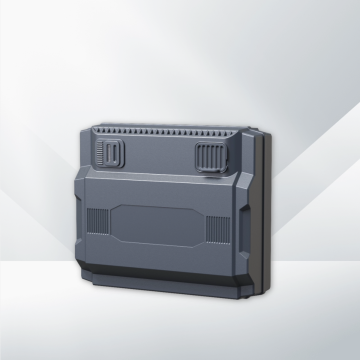
High-reliability positioning anchors, beacons, and tags specifically designed to track medical assets and personnel in complex clinical environments.

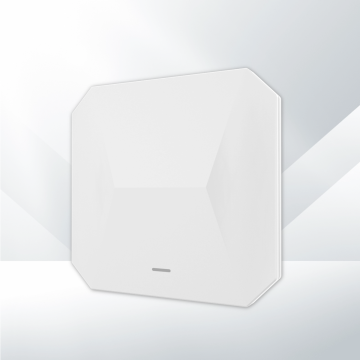
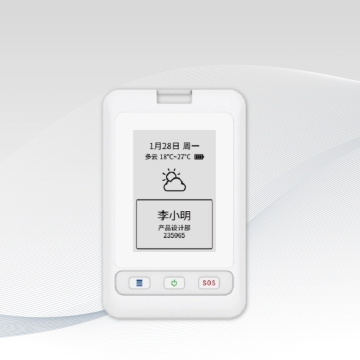
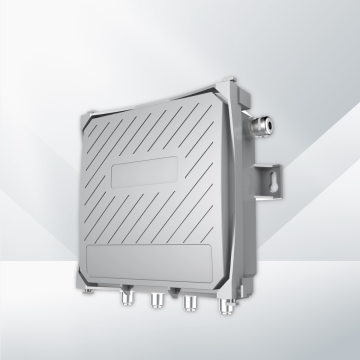
In modern healthcare systems, efficiency, speed, and accuracy are directly linked to patient outcomes. The global healthcare environment faces unprecedented challenges, ranging from rising operational costs to resource constraints and complex clinical workflows. Among these challenges, the misplacement and underutilization of critical medical equipment remain major bottlenecks. Research shows that nurses spend an average of 72 minutes per shift searching for essential medical devices, such as infusion pumps, ventilators, wheelchairs, and telemetry monitors. This search time not only reduces direct patient care hours but also heightens staff frustration and introduces unnecessary delays in critical treatments.
To address these inefficiencies, hospitals are increasingly adopting Real-Time Location Systems (RTLS) powered by advanced positioning beacons. The integration of Bluetooth Low Energy (BLE), Ultra-Wideband (UWB), and GNSS fusion technologies has transformed medical equipment management from a reactive, manual tracking process into a proactive, data-driven ecosystem. As hospitals transition to smart, connected infrastructures, the demand for high-precision indoor positioning solutions continues to surge, establishing positioning beacons as a cornerstone of modern digital healthcare systems.
Hospitals are highly dynamic environments with complex layouts, multiple floors, heavy concrete shielding, and a dense concentration of metallic equipment. These factors create severe multipath interference, rendering traditional GPS and basic Wi-Fi tracking systems ineffective. High-precision positioning beacons overcome these limitations by providing continuous, sub-meter (and in the case of UWB, sub-decimeter) accuracy. By attaching compact, medical-grade tags to mobile devices, clinical staff can immediately view the exact coordinates of any asset on a digital floor plan.
Medical equipment represents a massive capital investment. Without automated tracking, devices are frequently misplaced, lost, or hoarded by departments wishing to guarantee availability. Beacons prevent this by providing real-time inventory visibility, eliminating the need to purchase redundant backup equipment.
Medical equipment must undergo regular calibration and safety inspections. RTLS software can automatically trigger maintenance alerts based on actual usage hours and locate the specific device instantly, ensuring compliance with strict healthcare regulations.
Many hospitals lease specialized equipment. Real-time tracking enables accurate usage analysis, helping administrators return leased equipment on time and avoid costly penalties or unnecessary rental extensions.
Beacons integrated into staff badges or patient wristbands act as instant duress systems. In emergencies, staff can trigger a silent alarm that transmits their precise location, allowing security to respond immediately.
The healthcare RTLS market is undergoing a significant technology transition. While legacy systems relied heavily on active RFID or Wi-Fi, the industry is converging toward BLE and UWB. BLE beacons are highly favored for their low power consumption, cost-effectiveness, and compatibility with existing mobile devices. However, for critical applications requiring absolute precision—such as locating surgical kits, tracking patient flow in operating rooms, or managing high-value diagnostic devices—Ultra-Wideband (UWB) has become the gold standard.
UWB operates across a broad spectrum of frequencies, sending short, low-energy pulses that are highly resistant to multipath interference. This allows UWB systems to achieve positioning accuracy within 10 cm, compared to the 1-3 meters typical of standard BLE. Furthermore, the future of healthcare positioning lies in hybrid systems that combine UWB's precision with BLE's wide-area coverage and GNSS's outdoor tracking capabilities. This ensures seamless asset visibility as equipment moves from indoor clinical wards to outdoor logistics yards or transport vehicles.
eforthink Technology relies on its self-developed UWB positioning technology to overcome multipath and non-line-of-sight influences in complex environments, achieving positioning accuracy better than 10 cm.

10cm Accuracy, UWB-Powered Positioning Core

Sub-millisecond transmission of positioning data

Single positioning base station can carry over 1000 tags

Unaffected by multipath reflection and other radio interference factors

Intelligent power-saving algorithm reduces tag power consumption by 25%
To fully appreciate the impact of positioning beacons in healthcare, it is essential to examine specific, real-world deployment scenarios where RTLS delivers measurable operational improvements.
Emergency departments are high-stress environments characterized by unpredictable patient surges and rapid resource allocation. By equipping patients with low-cost BLE wristbands upon triage and placing positioning beacons throughout the ED, administrators can map patient journeys in real time. The system automatically tracks wait times, treatment durations, and bottlenecks (e.g., how long a patient waits in radiology or for an available bed). This data allows clinical coordinators to optimize staffing levels, reallocate resources dynamically, and reduce overall length of stay (LOS).
Infusion pumps and ventilators are among the most frequently utilized and misplaced assets in any hospital. Often, departments hide or hoard these devices to ensure they have them when needed. With a UWB-based RTLS solution, the hospital's clinical engineering team can monitor the exact location and status (active, idle, cleaning, or maintenance needed) of every pump. If a pump remains idle in a clean room for too long, the system automatically flags it for redistribution, boosting equipment utilization rates and delaying the need for capital expenditure on new units.
Operating rooms generate the highest revenue and incur the highest costs within a hospital. Delays in OR procedures due to missing surgical trays or specialized equipment can cost hundreds of dollars per minute. Positioning beacons attached to surgical kits and high-value mobile equipment ensure that everything required for a scheduled surgery is present in the OR prior to the patient's arrival. Furthermore, tracking the flow of tools through the sterile processing department guarantees that sterilization cycles are completed and documented correctly, enhancing patient safety.
In pediatric wards, maternity units, and memory care facilities, patient safety is paramount. Positioning beacons create virtual boundaries (geofencing) around exits, elevator lobbies, and restricted zones. If a patient wearing an authorized beacon wristband approaches an exit, the system immediately locks the doors, sounds an alarm, and alerts security personnel with the patient's identity and exact location. This automated safeguard provides peace of mind to families and reduces the burden on nursing staff.
Empowering healthcare and industrial facilities with state-of-the-art positioning capabilities.

Reduces search time for misplaced assets by 70%+ and minimizes workflow bottlenecks.
Read More →
Lowers workplace collisions by 90%+ in high-traffic areas like warehouses and assembly lines.
Read More →
Eliminates tracking blind spots, ensuring 24/7 asset visibility across hybrid environments.
Read More →
Boosts productivity by 15-25% through data-driven workflow redesign.
Read More →A national high-tech enterprise specializing in location services in the field of the Internet of Things, linking to the Internet of Things smart ecosystem.
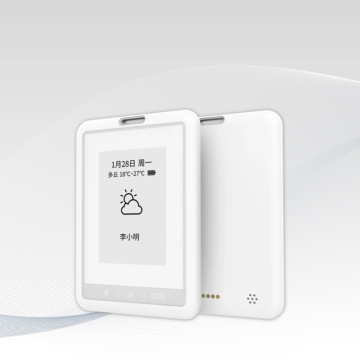
 UWB Tags
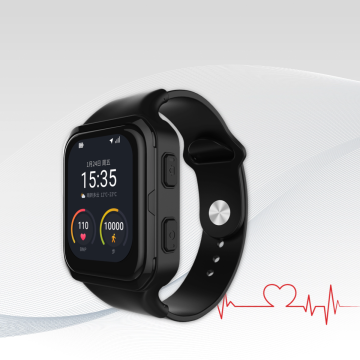

eforthink offers comprehensive solutions that encompass hardware development, platform creation, deployment, and system integration for diverse industries.


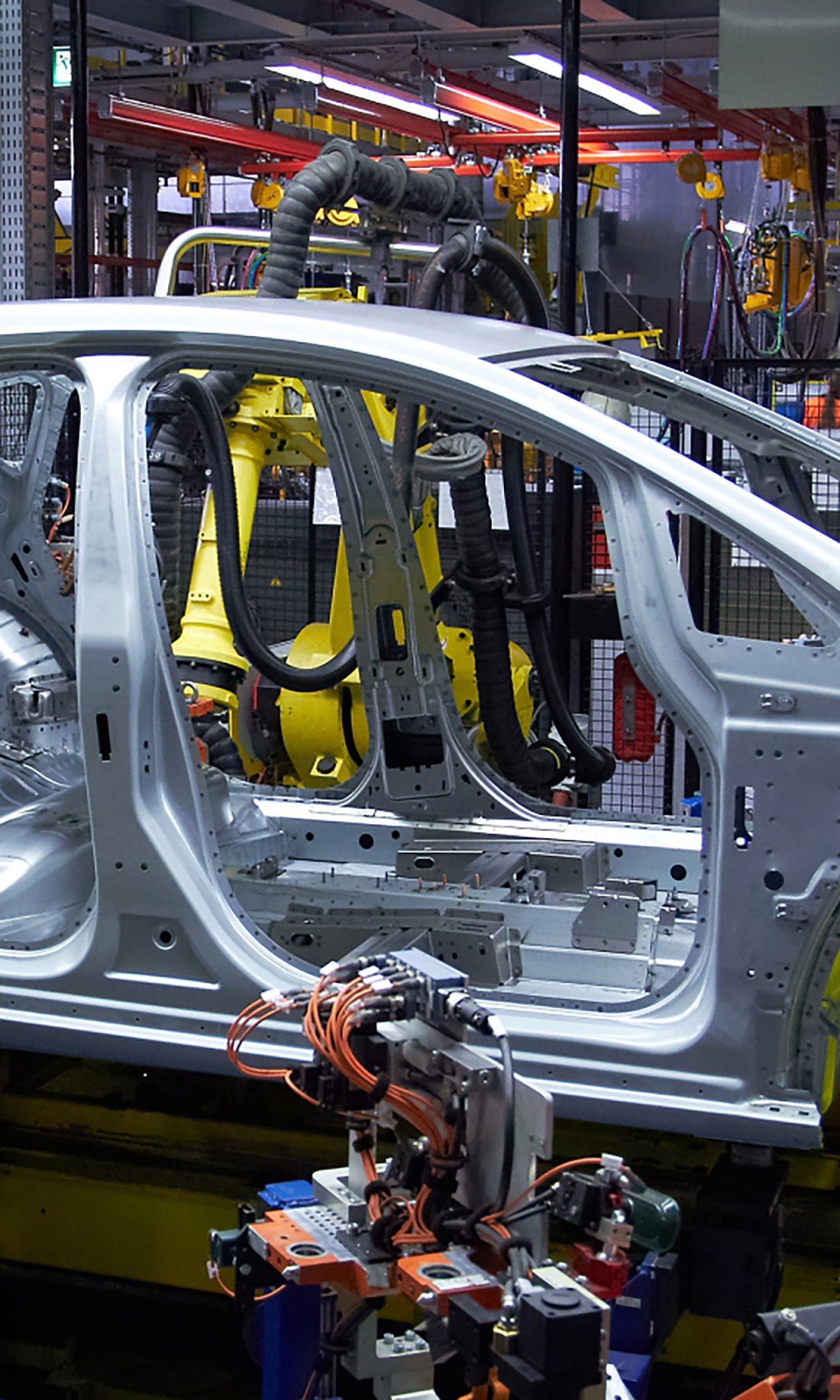
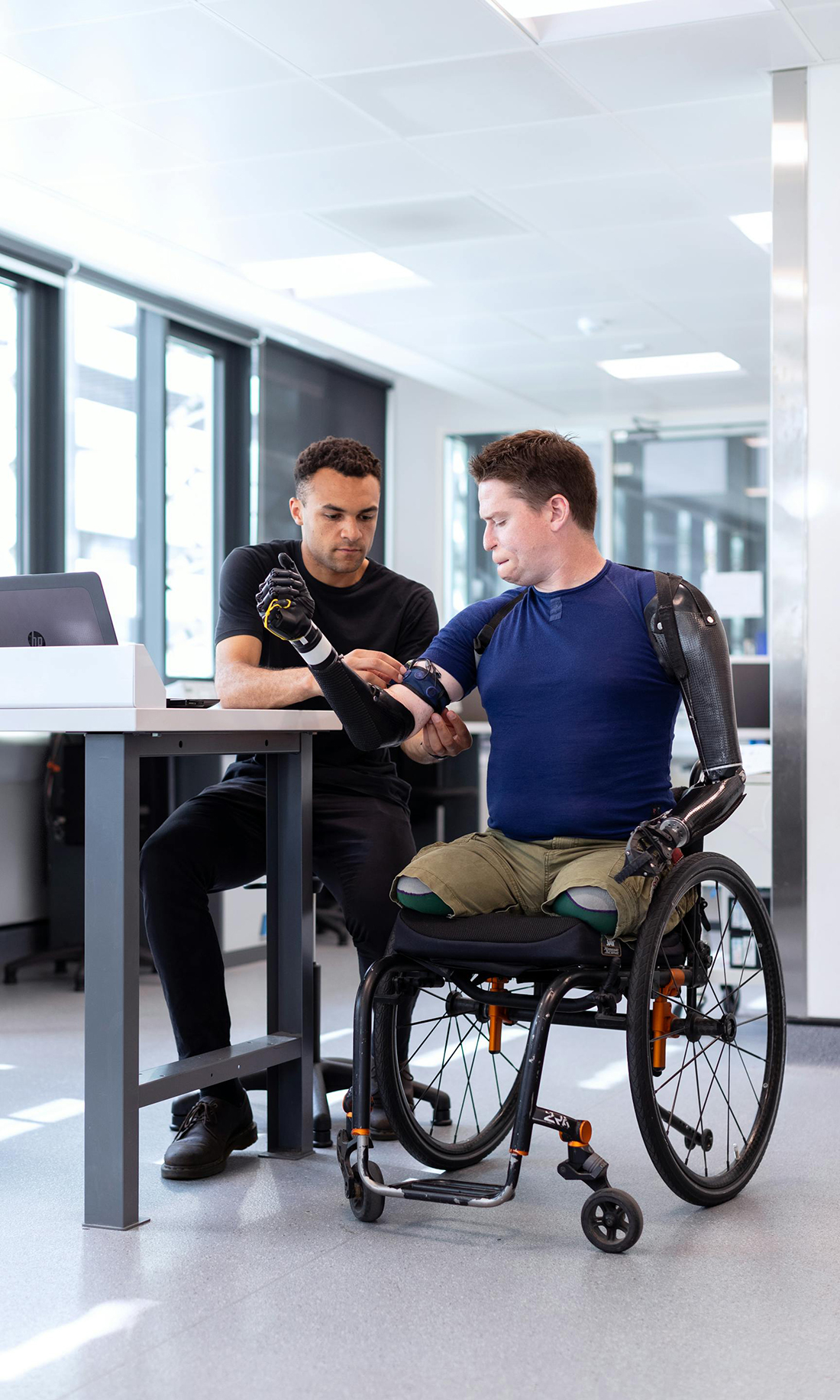
eforthink is a national high-tech enterprise in the field of IoT specializing in location services. Based on location sensing connectivity and the aPaaS service platform, it offers partners one-stop location services that integrate hardware, software, and algorithms, covering the entire process from product design, development, integration, production, manufacturing, sales, and after-sales support.
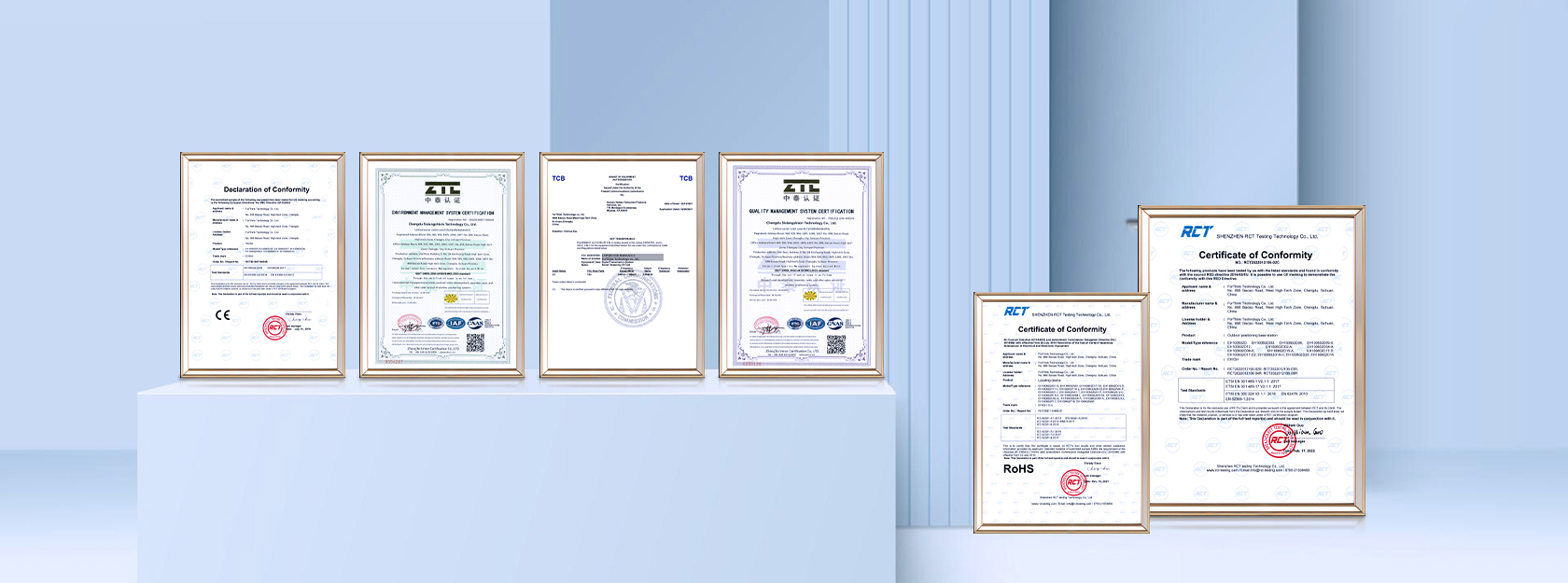
Our products and services are available in many countries and regions. We have developed model projects for many leading enterprises.








From robust base stations to ultra-thin tracking tags, we provide the hardware foundation for reliable location systems.