
Patient Tracking System for Smart Elderly Care
Support safer senior-care operations with a healthcare RTLS platform that connects residents, caregivers, emergency alerts, health data, and indoor location tracking in one care environment.
APPLICATION OVERVIEW
CORE FEATURES
KEY ADVANTAGES
COMPATIBLE HARDWARE
INDUSTRY CASES
APPLICATION OVERVIEW
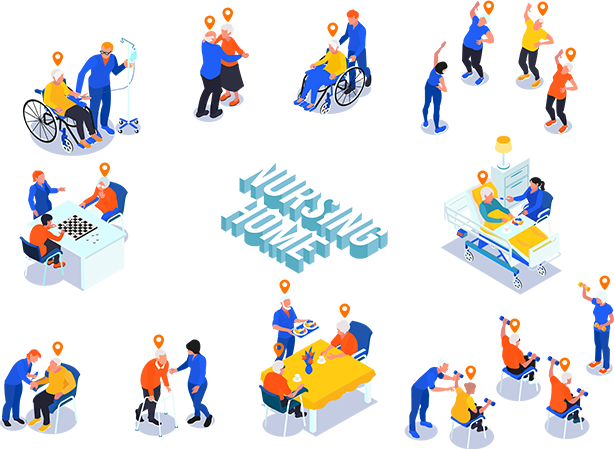
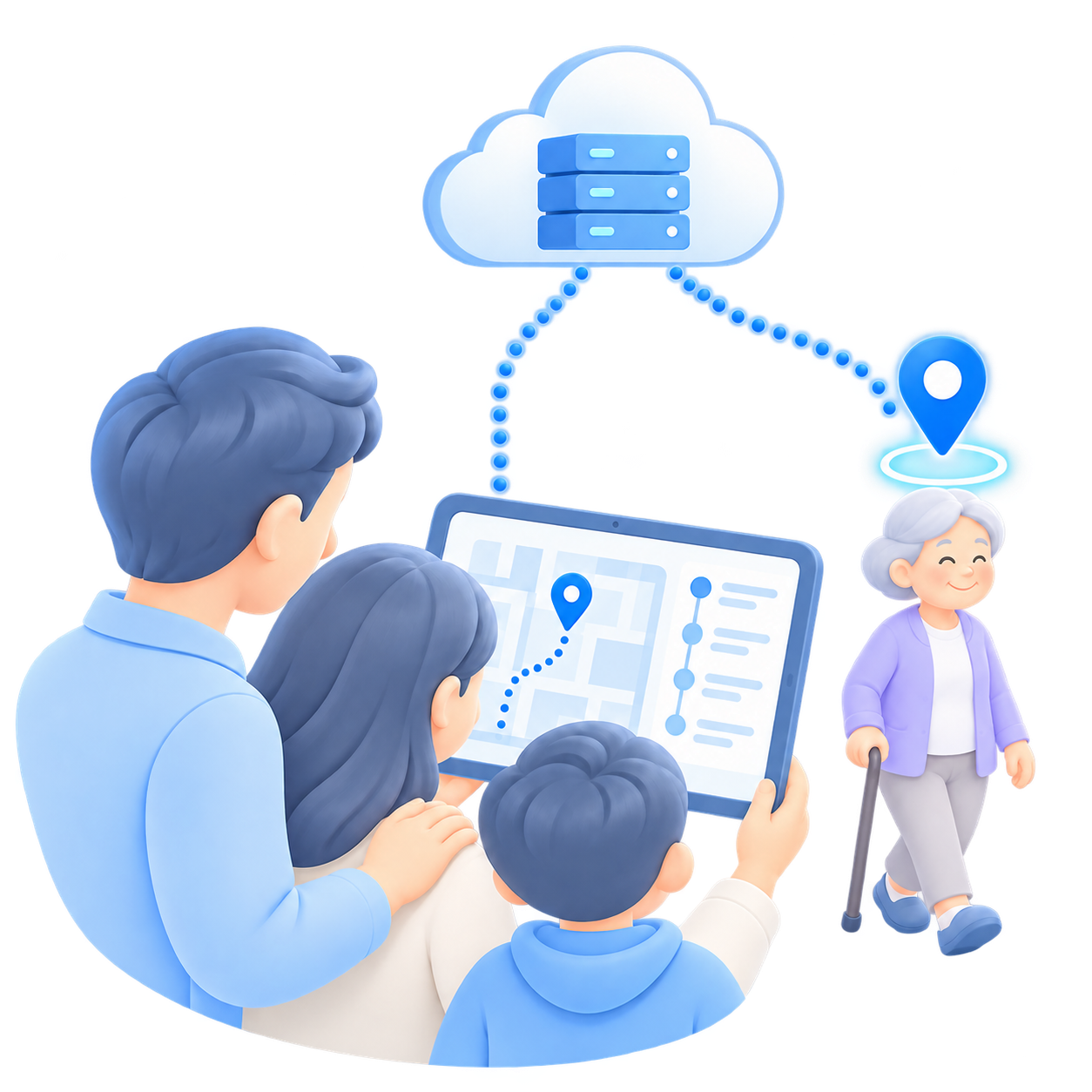
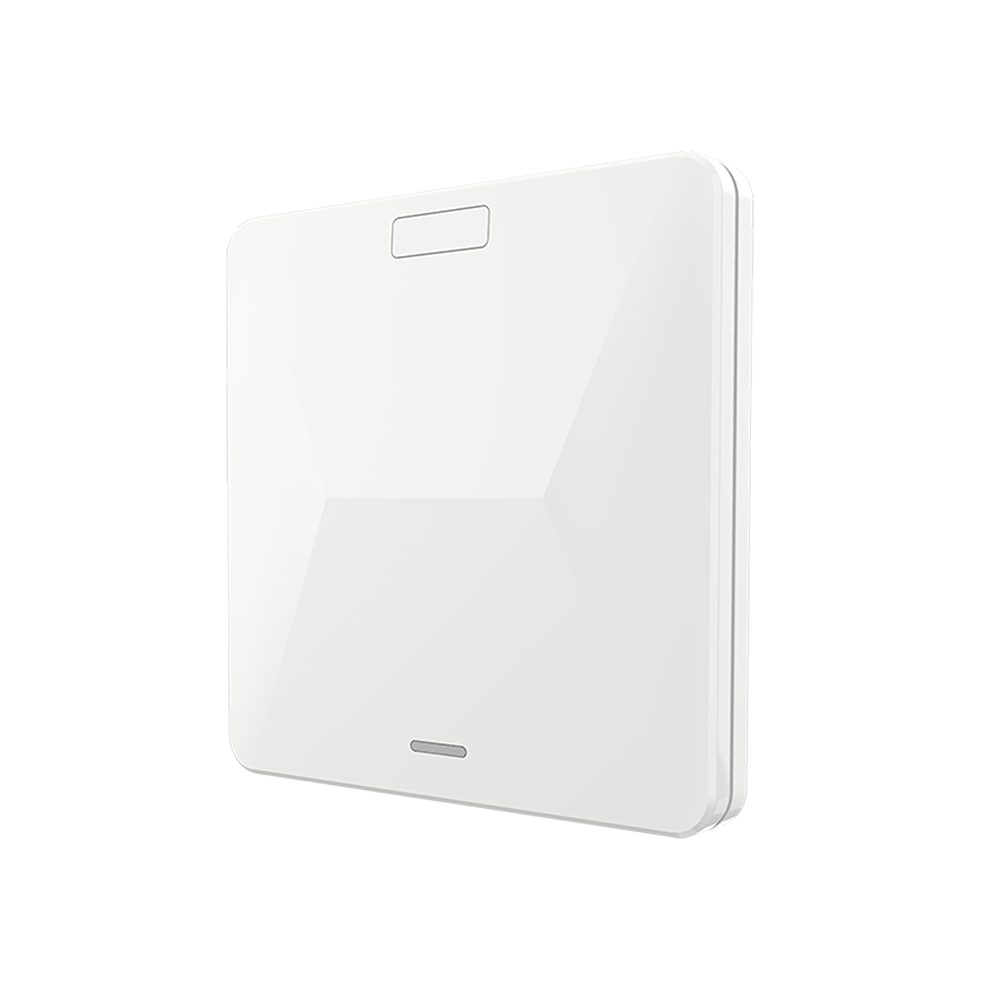
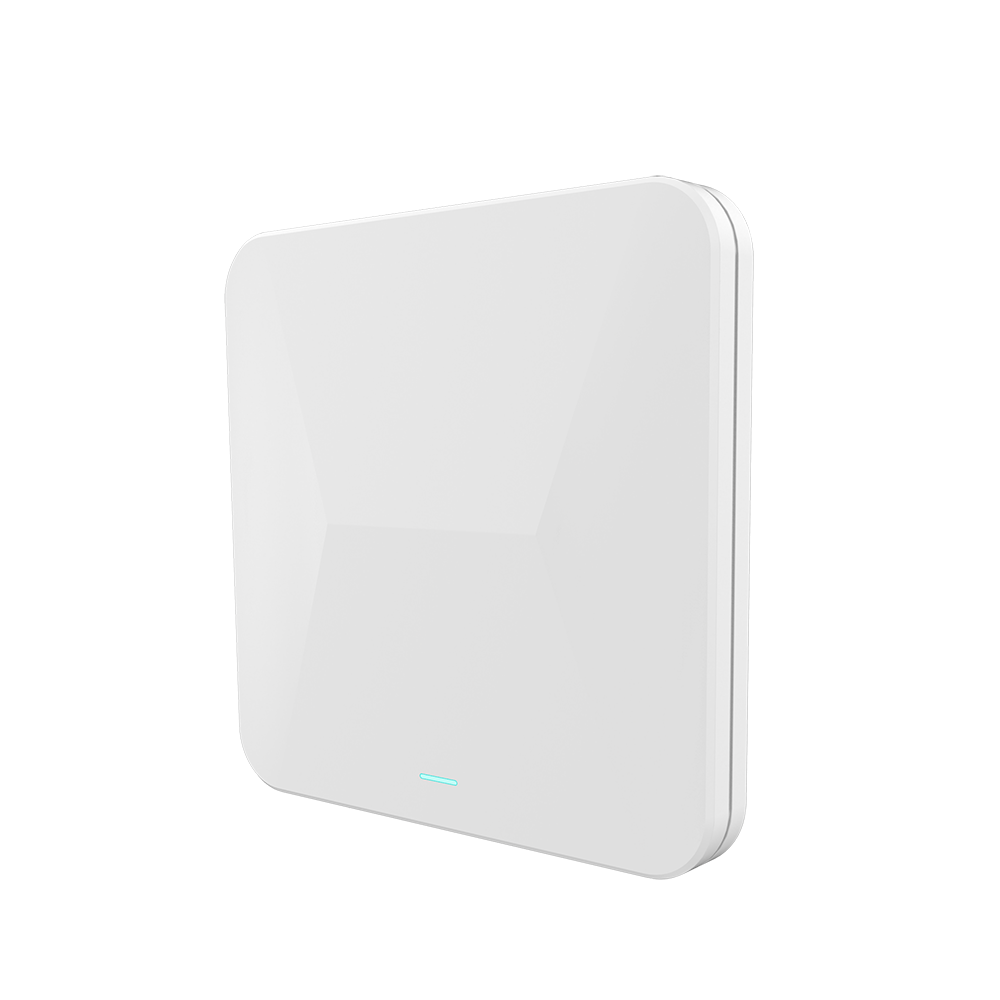
Eforthink Smart Elderly Care Solution combines UWB and AoA positioning with wearable devices and a visual management platform to provide indoor location tracking for residents and staff in elderly care institutions.
The solution can operate as a patient tracking system for residents who require continuous location visibility, while a personnel tracking system supports caregiver location, attendance, and emergency coordination. Location data can be combined with health information, electronic geofencing, SOS alerts, movement history, and camera integration according to the facility's care workflow.
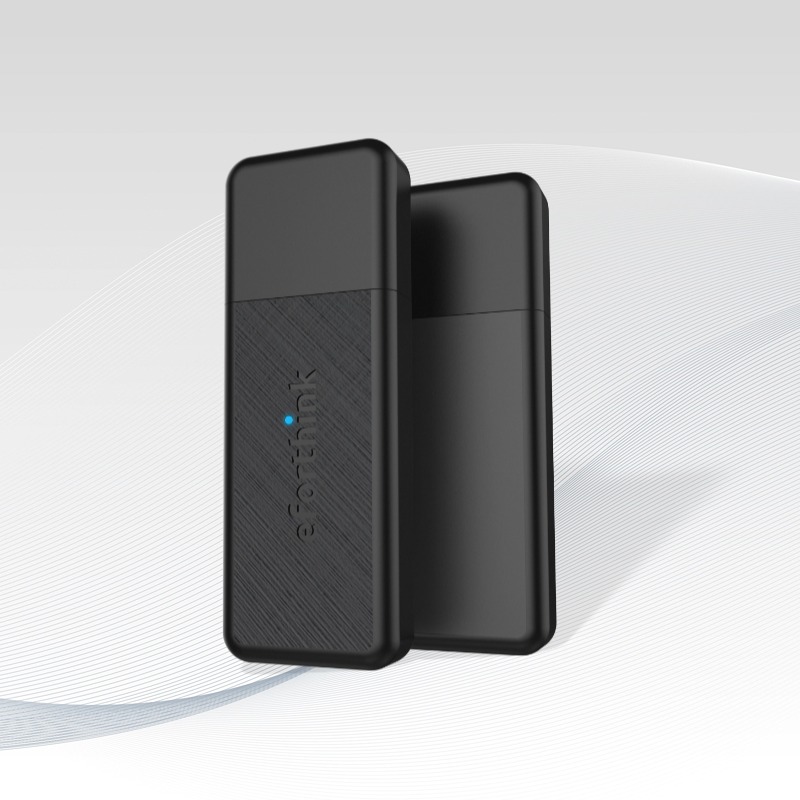
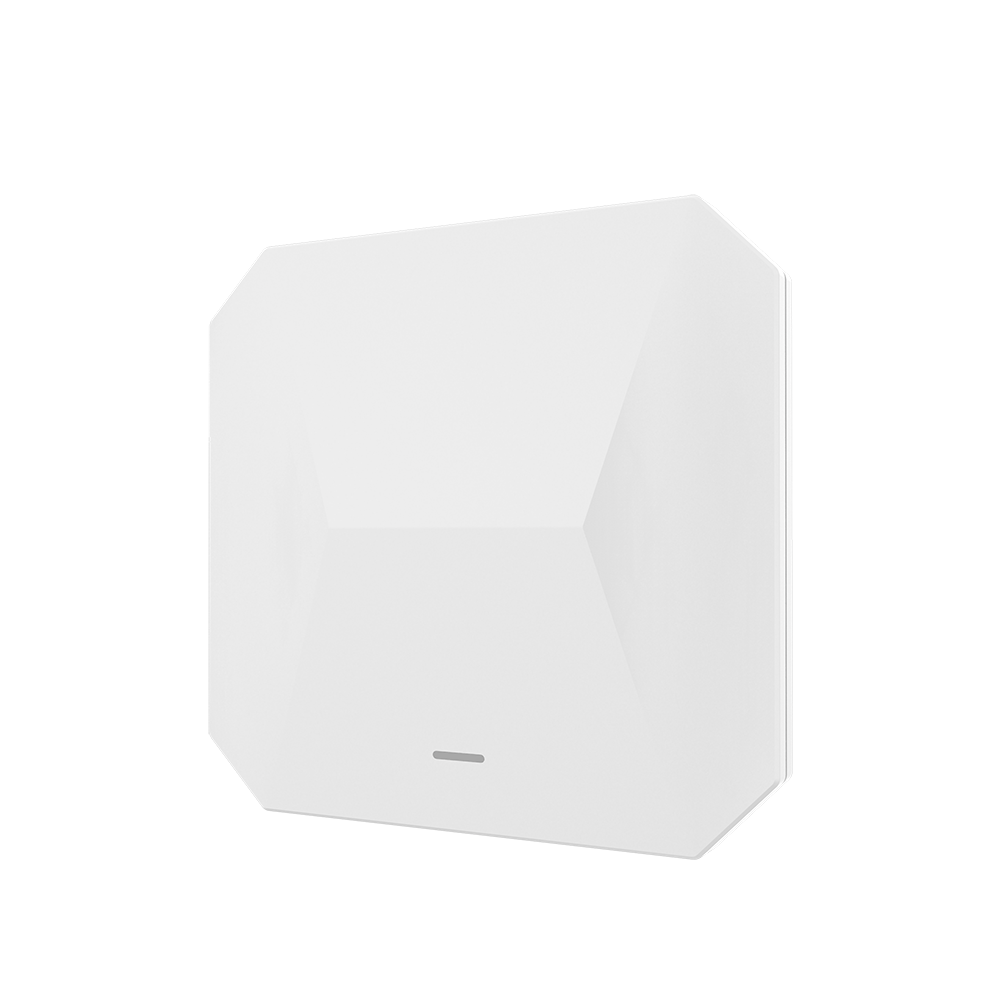
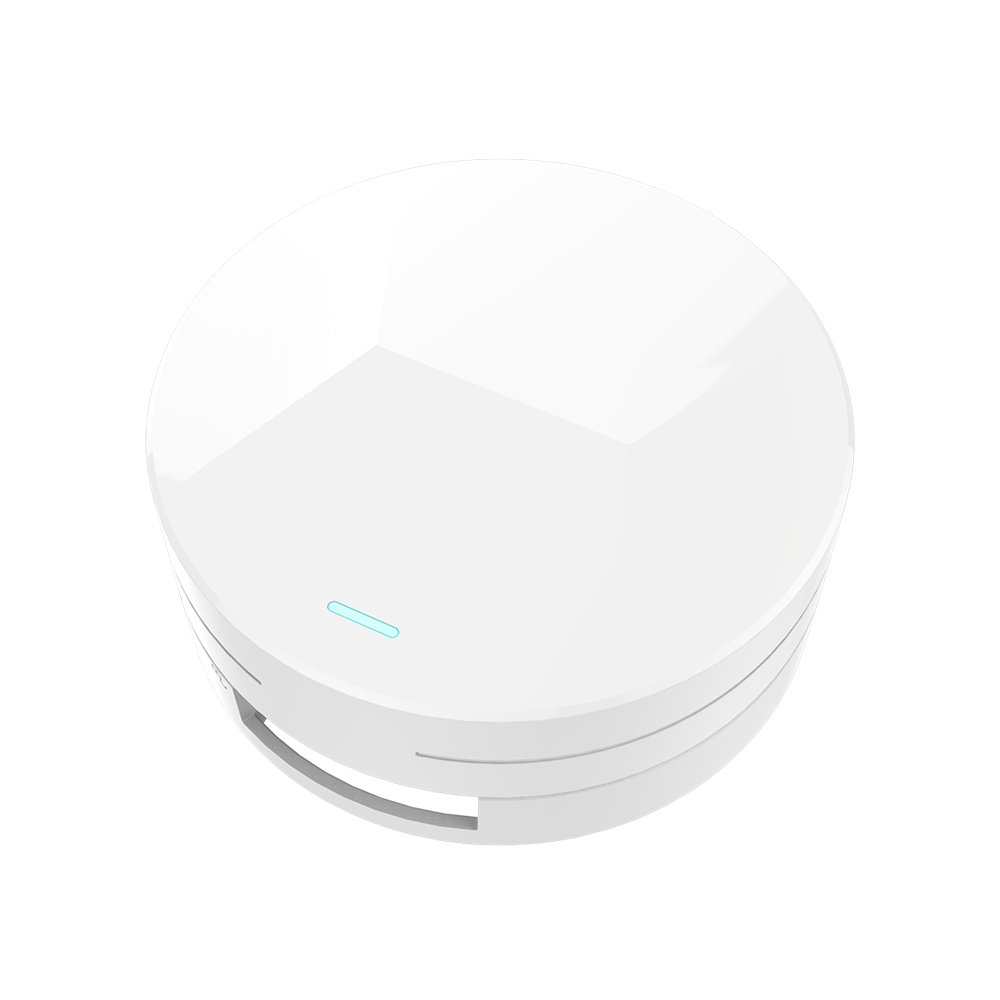
The healthcare RTLS architecture uses positioning base stations, wearable location tracking tags, and management software to show current locations, historical movement, dwell time, and distribution across defined areas. The real time location system adds spatial context to daily care without replacing the institution's care-management or clinical information systems.
For indoor environments, the indoor positioning system can use UWB and AoA technologies according to the required accuracy, coverage, and hardware configuration. Where UWB is deployed, UWB indoor positioning provides high-precision location data for supported wearable devices and RTLS tags.
CORE FEATURES
 Real-Time Location Monitoring
Inactivity Detection
SOS Emergency Alert
Camera Linkage
Vital Sign Monitoring
Electronic Fence Management
Real-Time Location Monitoring![Patient tracking system showing real-time resident and caregiver locations, movement paths, dwell time, heatmaps, and indoor location tracking in a senior care facility]()

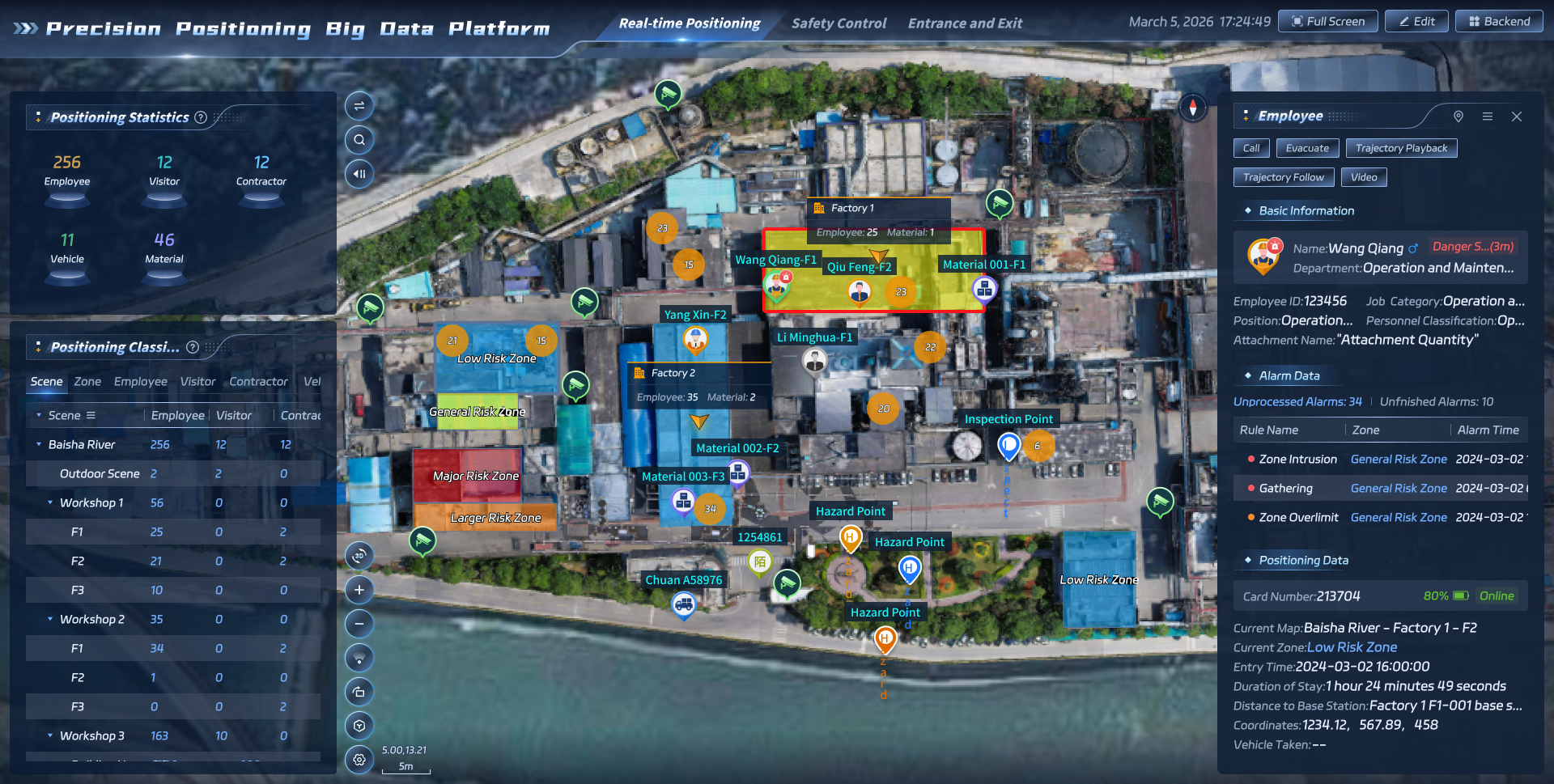
Use the patient tracking system to view the real-time location of residents who wear supported location tracking tags. Staff can review movement history, activity trajectories, area occupancy, and dwell time to understand where a resident has been and how long the resident has remained in a defined area.
The personnel tracking system provides similar location visibility for caregivers and other authorized staff. Combined indoor location tracking helps administrators understand the spatial relationship between residents, staff, rooms, activity areas, and safety zones.
The indoor positioning system can also provide location information for heatmap analysis and configured video linkage. Location accuracy depends on the selected positioning technology, anchor layout, tag configuration, and indoor environment.
Inactivity Detection![Real time location system using dwell-time monitoring to detect prolonged resident inactivity and generate caregiver alerts with linked camera views]()
Inactivity Detection![Real time location system using dwell-time monitoring to detect prolonged resident inactivity and generate caregiver alerts with linked camera views]()

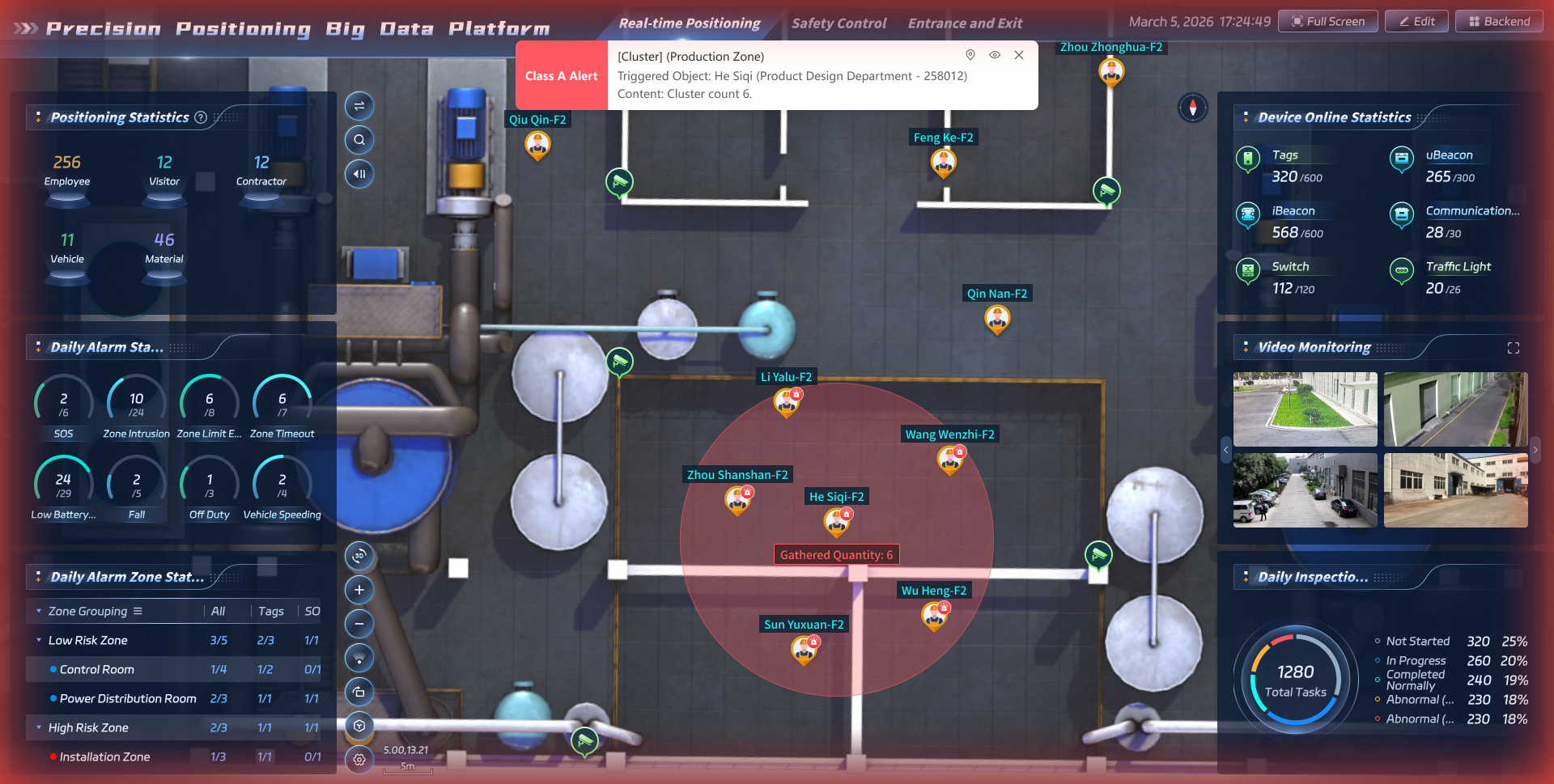
The real time location system can use dwell-time or motion-related rules to identify when a tracked resident remains in a defined area beyond a preset duration. When a configured condition is met, the platform can generate an alert and, where camera integration is available, display relevant nearby video feeds.
This function extends the patient tracking system from simple map display to location-based exception monitoring. It can help caregivers identify situations that require attention, but it should not be described as a medical diagnosis or a substitute for direct care.
SOS Emergency Alert![Healthcare RTLS platform showing an SOS alert from a resident location tracking tag with real-time location and caregiver emergency response coordination]()
SOS Emergency Alert![Healthcare RTLS platform showing an SOS alert from a resident location tracking tag with real-time location and caregiver emergency response coordination]()

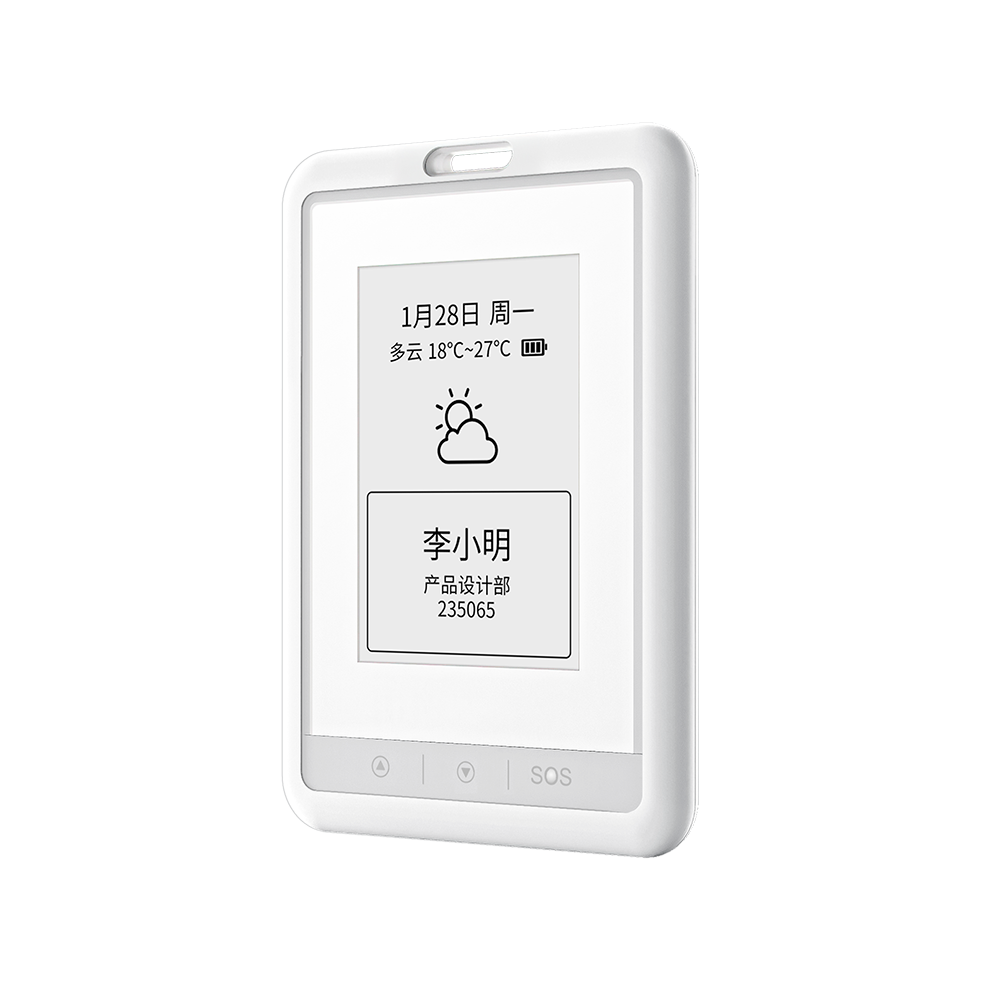
Supported wearable location tracking tags provide an SOS function that allows residents to request assistance. When an SOS alert is triggered, the healthcare RTLS platform can display the associated resident and location information so authorized caregivers can respond.
The personnel tracking system can also provide staff location context for emergency coordination. Two-way messaging, paging, evacuation notices, and other supported functions depend on the specific wearable device and system configuration.
Camera Linkage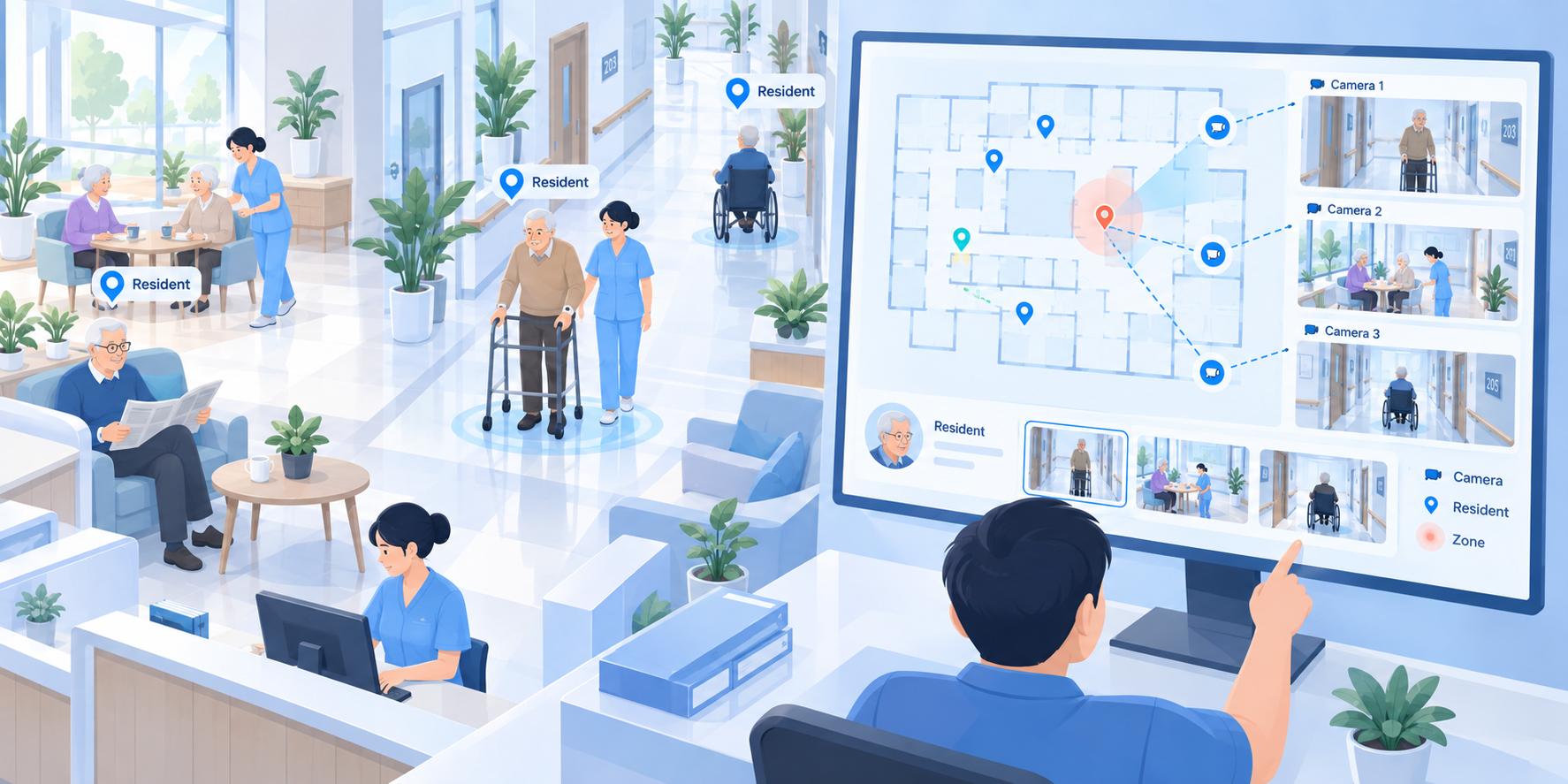
Integrate the real time location system with an existing surveillance system where the facility has configured camera integration. When an authorized operator selects a tracked resident or receives a configured alert, the system can associate indoor location tracking data with relevant camera views.
This provides additional visual context for care management and incident review. Camera functions remain dependent on the customer's surveillance infrastructure, access permissions, and integration scope.
Vital Sign Monitoring![Patient tracking system combining RTLS tags with heart rate, blood oxygen, temperature, step count, and resident location data for elderly care workflows]()
Vital Sign Monitoring![Patient tracking system combining RTLS tags with heart rate, blood oxygen, temperature, step count, and resident location data for elderly care workflows]()

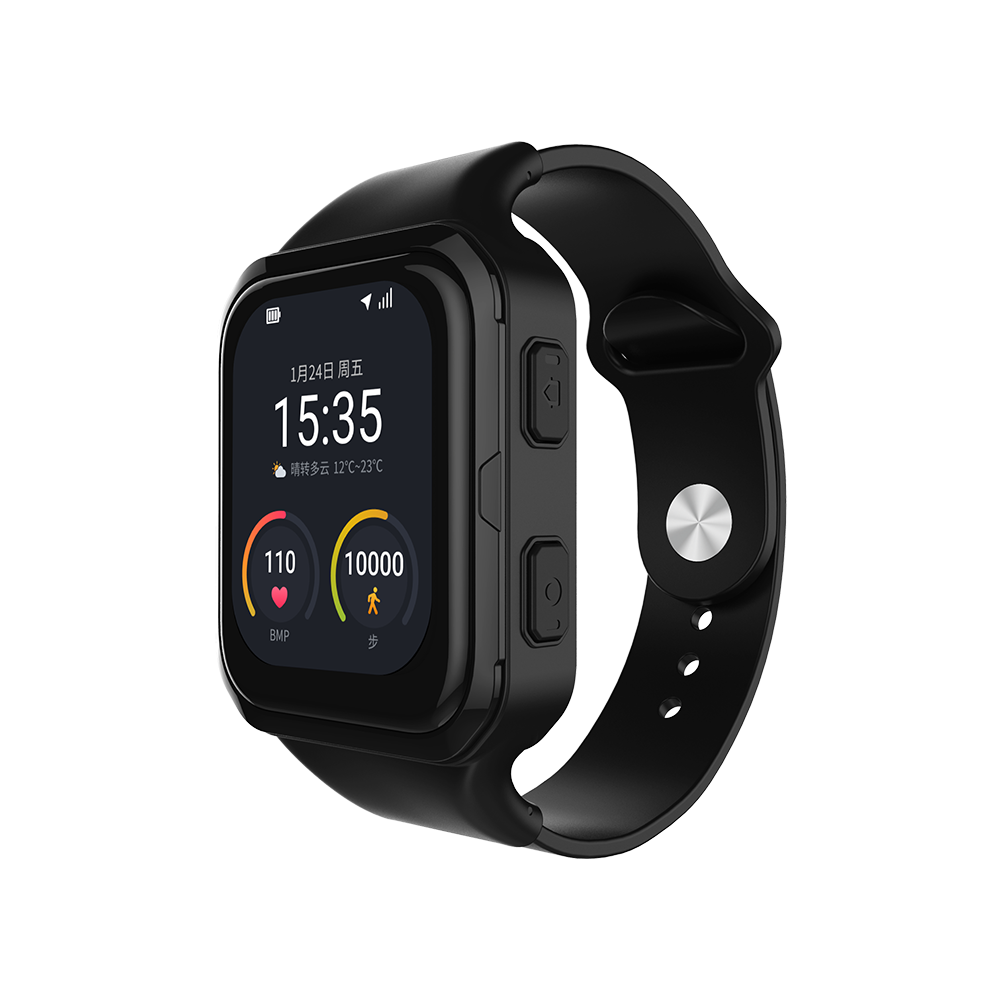
The Eforthink smart health positioning wristband combines location functions with supported health measurements including heart rate, blood oxygen, body temperature, and step counting.
When used as one of the RTLS tags in a patient tracking system, the wristband can connect location information with available health readings in the management platform. Alerts can be configured for supported measurements according to system settings.
The healthcare RTLS platform can therefore combine spatial information with wearable-device data to support care workflows. Health measurements from the wearable should not be presented as a substitute for clinical diagnosis or medical-grade monitoring unless the specific device certification and intended use support such claims.
Electronic Fence Management![Indoor positioning system with geofencing for exits, restricted areas, resident alerts, and personnel tracking in a senior care facility]()
Electronic Fence Management![Indoor positioning system with geofencing for exits, restricted areas, resident alerts, and personnel tracking in a senior care facility]()

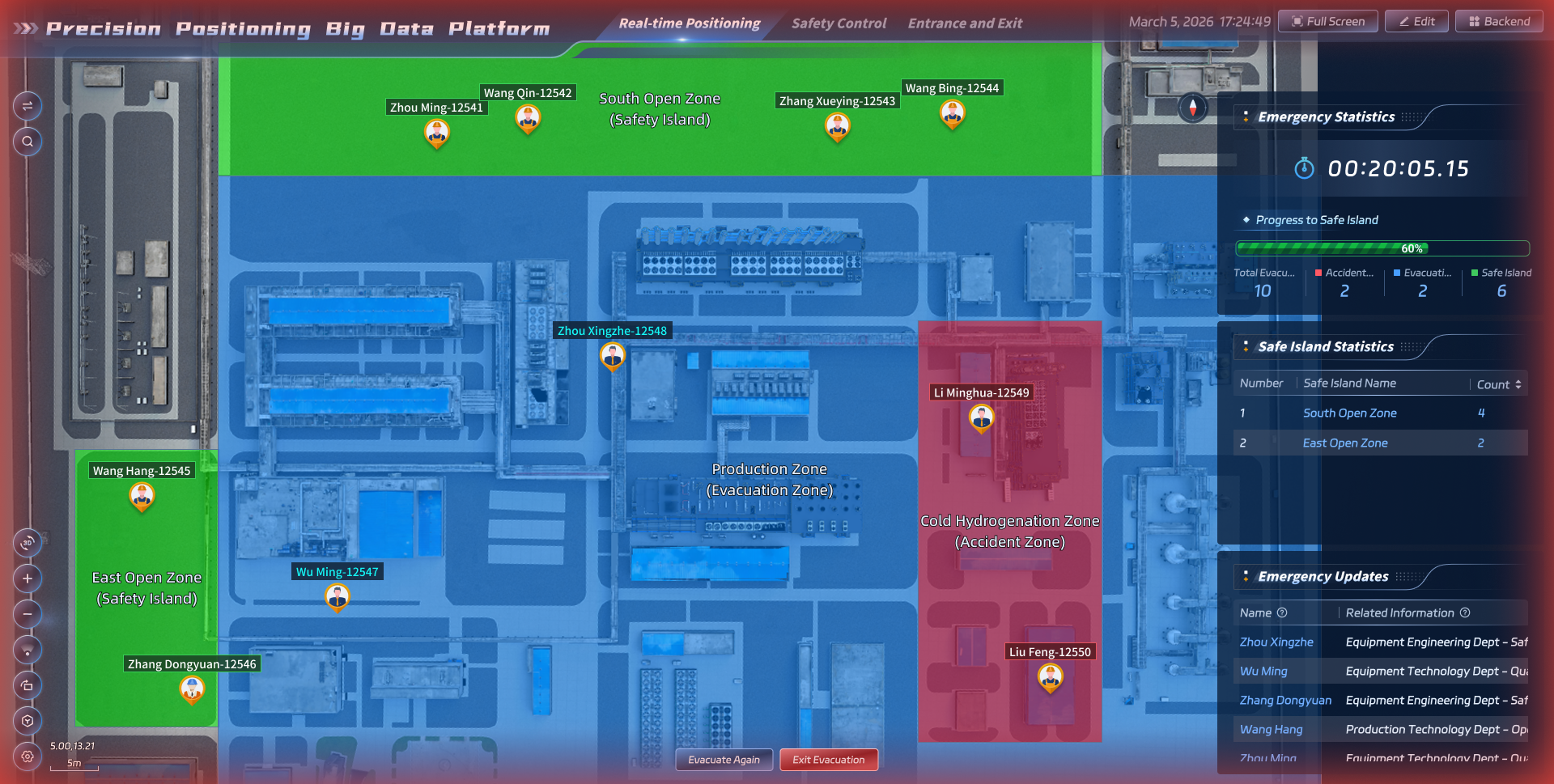
Create virtual boundaries for exits, restricted rooms, hazardous areas, or other defined spaces. When residents wearing location tracking tags enter or leave a configured area, the patient tracking system can generate an alert based on the defined rule.
The same indoor positioning system can support staff attendance or presence management. The personnel tracking system can record caregiver presence, movement, and authorized-area events according to facility policy.
Electronic geofencing can strengthen location-based supervision while keeping the healthcare RTLS workflow focused on resident safety and caregiver coordination.
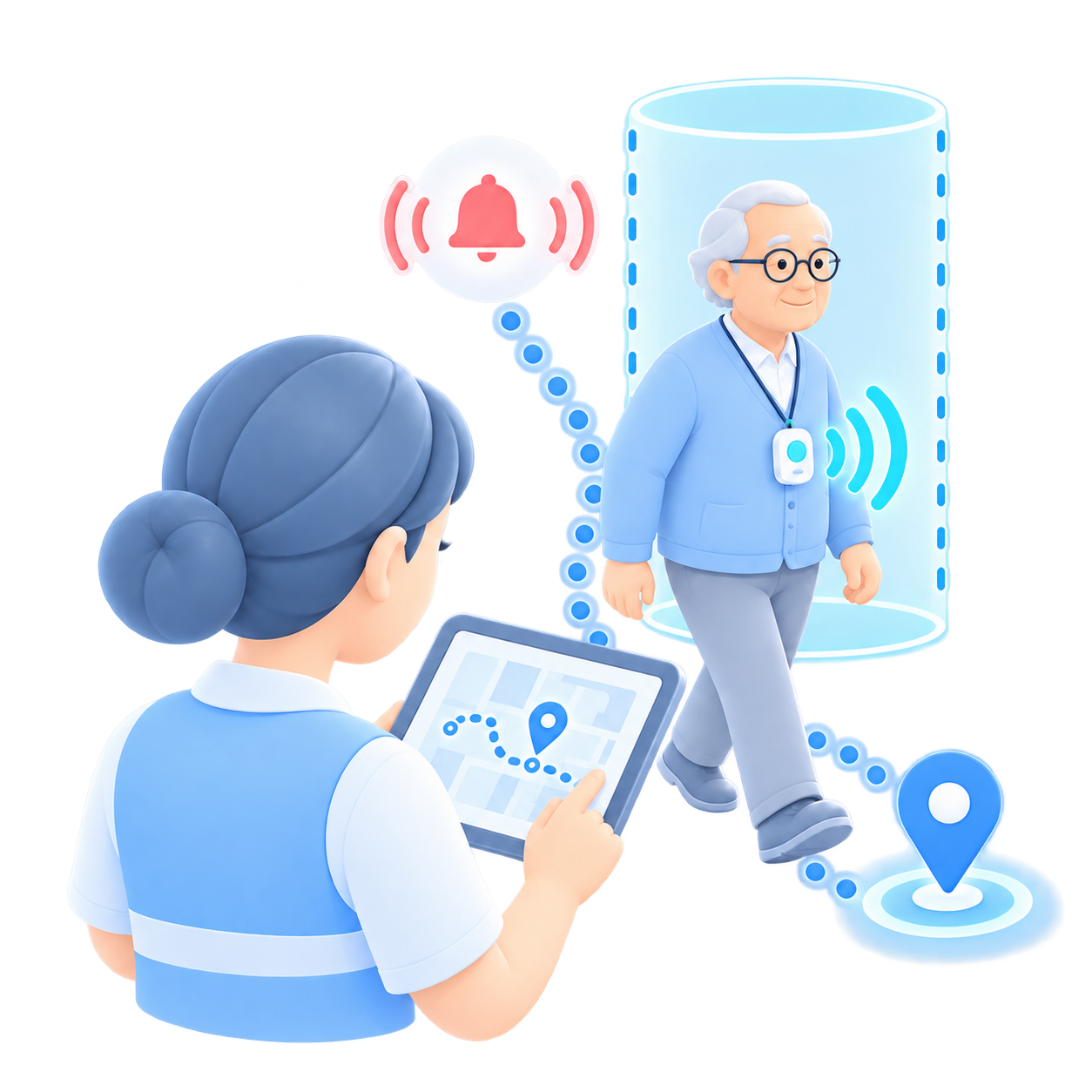
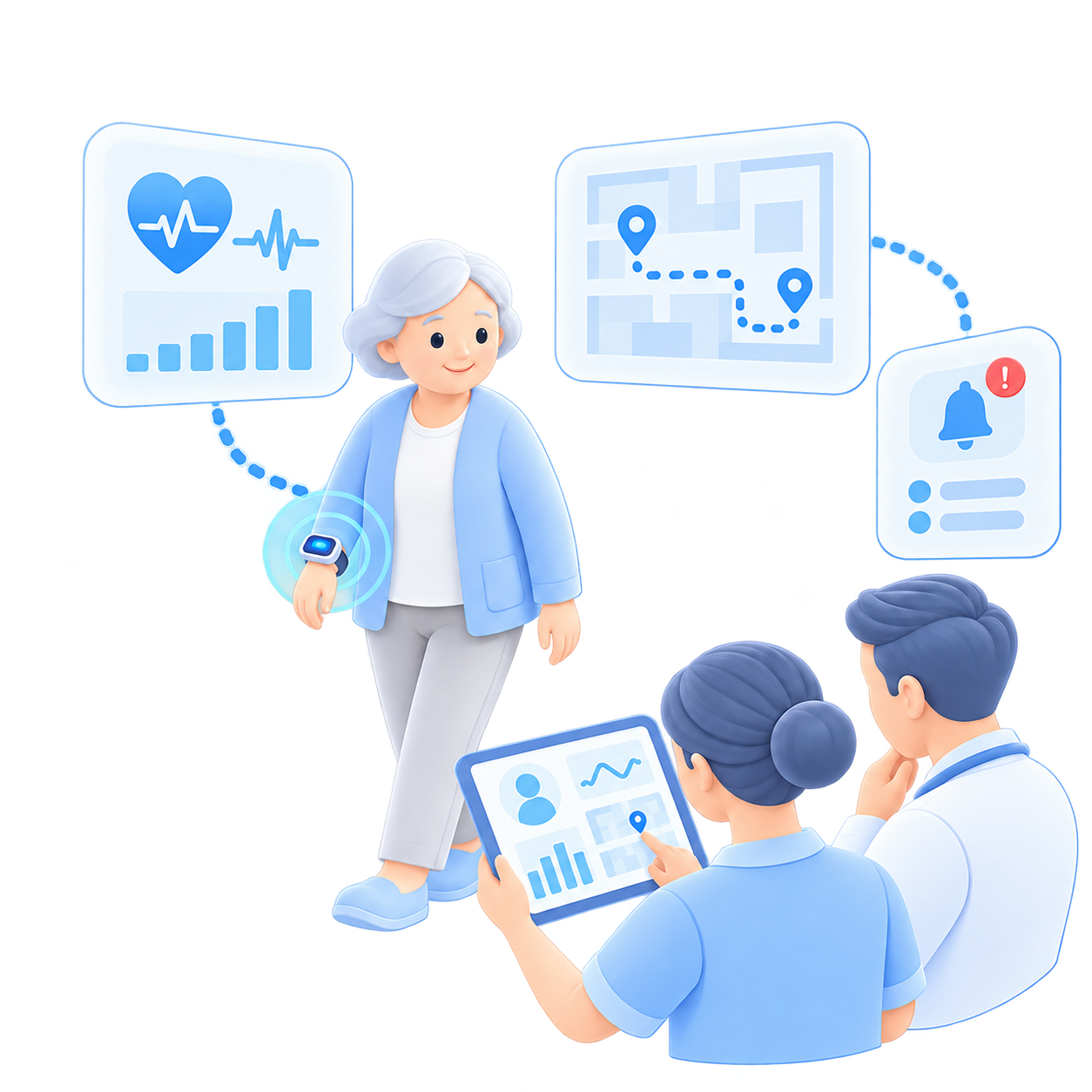
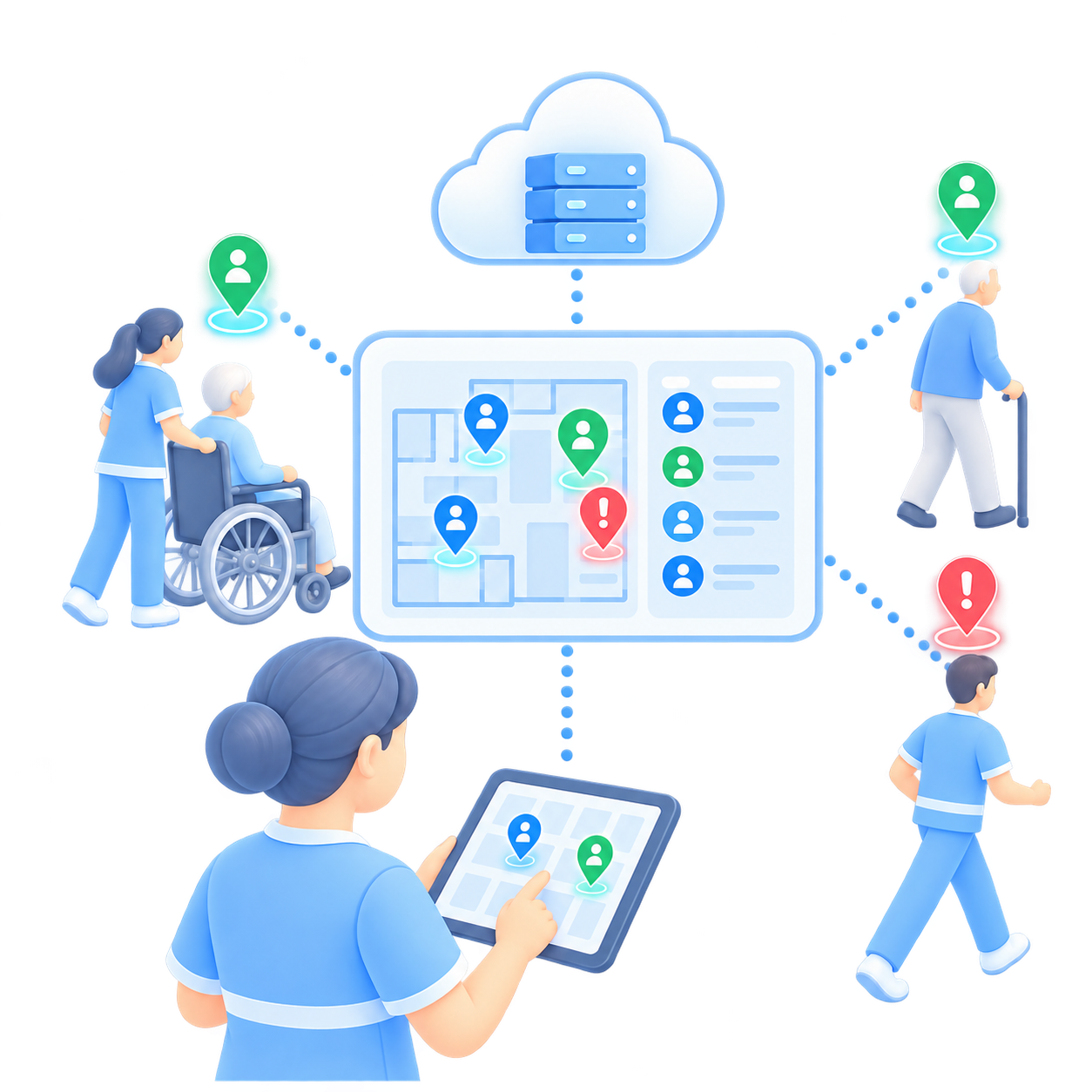

Macau Neighborhood Association Yat Jun Center Project
The Macau Neighborhood Association Yat Jun Center project deployed RTLS base stations and health-monitoring bracelets to support resident location visibility, status monitoring, and fall-related alerts.
The deployment demonstrates how a healthcare RTLS platform can combine a patient tracking system, wearable devices, and indoor location tracking in an elderly care environment. The published page supports the existence of fall-detection alerts, real-time location tracking, and status monitoring, but does not provide a quantified reduction in incidents, caregiver workload, or response time.