Leave Your Message
High-precision hardware engineered to anchor and track assets across demanding industrial environments.

In the era of Industry 4.0, modern manufacturing plants are evolving into highly complex, dynamic ecosystems. As customization demands rise and product lifecycles shorten, traditional linear assembly lines are giving way to flexible manufacturing systems. Managing these systems efficiently requires a granular level of visibility that legacy tracking technologies simply cannot provide. This is where the Ultra Wideband (UWB) Location System steps in as a foundational pillar for digital transformation, specifically targeting Work-in-Progress (WIP) tracking and overall shop-floor optimization.
Historically, manufacturing facilities relied on manual scanning, barcode systems, or passive RFID to monitor materials. While these methods offer basic check-point data, they create significant blind spots. A pallet of parts scanned at Station A remains "invisible" until it reaches Station B, leaving supervisors in the dark regarding bottlenecks, transit times, and idle assets. UWB technology eliminates these gaps by delivering continuous, real-time spatial coordinate data with sub-10-centimeter accuracy, even in high-density metallic environments prone to radio frequency interference.
By utilizing short-duration, high-bandwidth radio pulses, UWB calculates distances using Time of Flight (ToF) or Time Difference of Arrival (TDoA) algorithms. Unlike Bluetooth Low Energy (BLE) or Wi-Fi, which estimate distance based on signal strength (RSSI) and are highly susceptible to walls, metal racks, and machinery, UWB's nanosecond pulses are easily distinguishable from reflected signals. This makes it the only viable choice for heavy manufacturing sectors such as automotive assembly, aerospace production, and industrial machinery fabrication.
eforthink Technology relies on its self-developed UWB positioning technology to overcome multipath and non-line-of-sight influences in complex environments, achieving positioning accuracy better than 10 cm. This ensures that every asset, vehicle, and personnel on your factory floor is tracked with absolute precision.
View More Technology Details
10cm Accuracy, UWB-Powered Positioning Core for pinpoint asset location.

Sub-millisecond transmission of positioning data for immediate location updates.

Single positioning base station can carry over 1000 active tags simultaneously.

Unaffected by multipath reflection and other radio interference factors common in factories.

Intelligent power-saving algorithm reduces tag power consumption by 25% for longer battery life.
Work-in-Progress (WIP) refers to materials and partially finished products that are at various stages of the production process. Efficient WIP tracking is the cornerstone of lean manufacturing. When a factory floor is equipped with an Ultra Wideband Location System, every batch, carrier, container, or individual product unit is fitted with a UWB tag. The system continuously streams location data to a centralized software engine, creating a real-time digital twin of the factory floor.
In traditional manufacturing, calculating the cycle time of a product at a specific workstation requires manual log entries or timestamp analysis from barcode scans. UWB automates this by defining virtual geofences around each workstation. When a tagged WIP item enters a workstation geofence, the system automatically records the entry time. Upon exit, the system logs the departure. This yields precise, automated data on processing times, queue times, and transit times, allowing industrial engineers to identify bottlenecks without disrupting the operators.
High-value manufacturing often requires specialized tooling, calibration equipment, and fixtures. If a technician uses the wrong tool or an uncalibrated instrument on a specific WIP component, it can result in costly rework or safety hazards. A UWB location system can track both the WIP item and the necessary tooling. By analyzing the spatial proximity of the tool to the product, the system can verify that the correct tool is being used for the specific build recipe. If a mismatch is detected, the system can trigger an immediate alert or temporarily disable the machine via integration with the PLC (Programmable Logic Controller).
Automated Guided Vehicles (AGVs) and Autonomous Mobile Robots (AMRs) rely on coordinates and routing paths to deliver raw materials to production lines. By integrating UWB location systems with AGV dispatch software, factories can orchestrate dynamic material replenishment. Instead of relying on static schedules, the system triggers a material request the moment a WIP batch at Station C drops below a certain threshold. An AGV is immediately dispatched with the correct parts, minimizing idle times and reducing the footprint needed for buffer storage on the shop floor.
Tailored location-based solutions designed to enhance industrial safety, efficiency, and real-time control.

Reduces search time for misplaced assets by 70%+ and minimizes workflow bottlenecks on the shop floor.
Read More →
Lowers workplace collisions by 90%+ in high-traffic areas like warehouses and heavy assembly lines.
Read More →
Eliminates tracking blind spots, ensuring 24/7 asset visibility across hybrid indoor/outdoor environments.
Read More →
Boosts productivity by 15-25% through data-driven workflow redesign and continuous process path analysis.
Read More →UWB systems are not a one-size-fits-all product; they are highly adaptable frameworks that solve distinct challenges across different manufacturing domains. Below, we explore how UWB is applied in three major industrial sectors.
Automotive manufacturing is characterized by extreme complexity and custom configurations. A single assembly line might produce multiple car models, each requiring unique parts and torque settings. By attaching UWB tags to the car chassis carriers (WIP), the system tracks the car's progression through every stage. When a vehicle reaches a station, the UWB system communicates with the assembly line PLC to load the exact configuration recipe. Furthermore, tracking the smart torque wrenches via UWB ensures that bolts are tightened to the exact specification required for that specific vehicle model, recording the data directly into the vehicle's birth certificate.
In aerospace and heavy machinery production, components are massive, expensive, and undergo long manufacturing cycles. A single wing structure or wind turbine blade might remain at a workstation for days. Locating small specialized components or specific raw material batches in these vast hangars can be exceptionally difficult. UWB tags attached to these components allow operators to search for parts via a web interface or mobile app, highlighting the exact location on a 3D map. This reduces search time from hours to seconds. Additionally, UWB anchors can be deployed on overhead cranes to track heavy lifts, preventing crane-to-crane collisions and optimizing overhead space utilization.
Safety is paramount in chemical processing and steel manufacturing. UWB-based personnel positioning systems, utilizing explosion-proof tags and base stations, ensure that workers are accounted for in real-time. If an emergency occurs, the system provides immediate muster reports, showing exactly who has reached safety zones and who remains in danger zones. Geofencing capabilities allow managers to designate restricted areas; if an unauthorized worker enters a high-voltage or chemical hazard zone, the system alerts both the worker (via tag vibration or buzzer) and the safety control center.
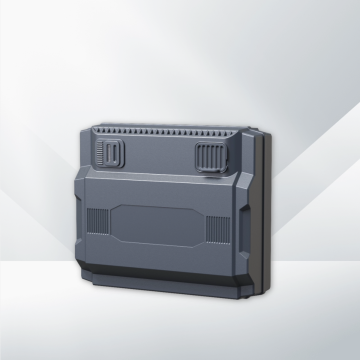
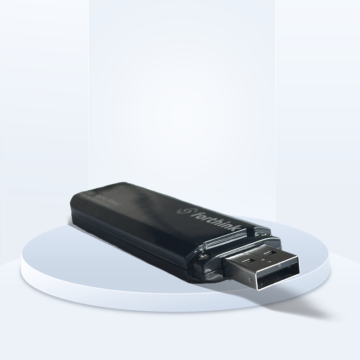
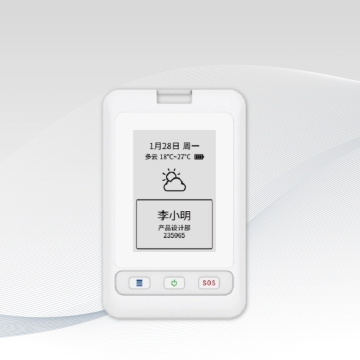
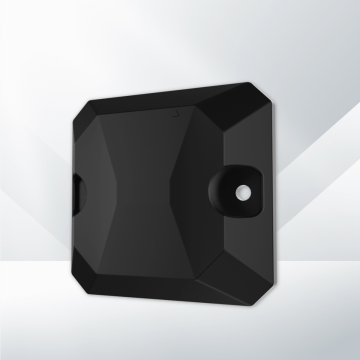
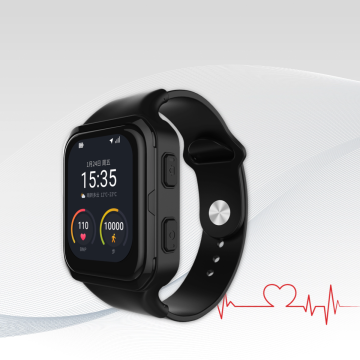
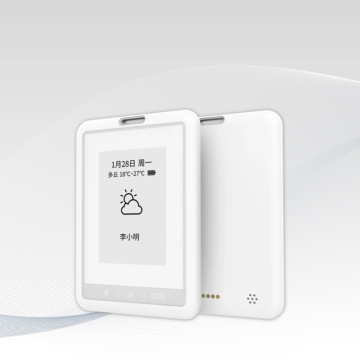
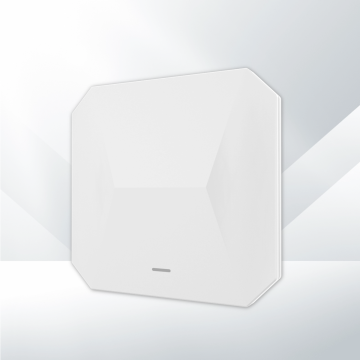
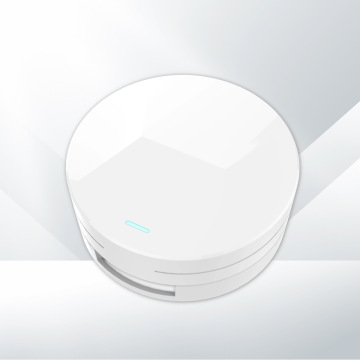
A comprehensive suite of UWB tags, anchors, and modules designed for seamless integration into IoT ecosystems.

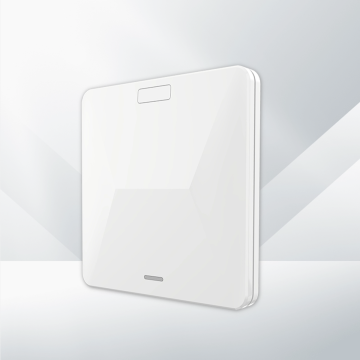
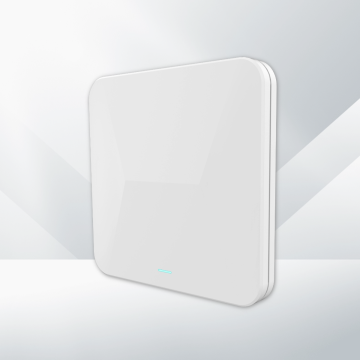

As technology advances, the application of UWB in manufacturing is poised to become even more integrated. Several key trends are shaping the future of industrial RTLS:
The deployment of private 5G networks in factories is accelerating. By combining UWB's precision localization with 5G's massive machine-type communication (mMTC) and ultra-reliable low-latency communication (URLLC), factories can achieve unprecedented levels of automation. The 5G network serves as the robust data pipe, carrying high-volume sensor and video data, while UWB provides the micro-location context. This dual-technology approach ensures that critical control loops are closed in near-real-time.
Raw location coordinates are highly valuable, but the true power of RTLS is unlocked when combined with artificial intelligence and machine learning. By analyzing historical movement paths of WIP, forklifts, and personnel, AI algorithms can predict bottlenecks before they manifest. For example, if the system detects that WIP items are accumulating at Station D faster than the historical processing average, it can automatically alert supervisors and recommend shifting personnel to assist.
In the past, UWB systems were largely proprietary, requiring hardware and software from the same vendor. The establishment of industry groups like the FiRa Consortium is driving standardization, ensuring that UWB tags from one manufacturer can communicate seamlessly with anchors from another. This interoperability lowers the barrier to entry, protects capital investments, and allows manufacturers to deploy hybrid solutions tailored to their specific needs.
eforthink is a national high-tech enterprise in the field of IoT specializing in location services. Based on location sensing connectivity and our advanced aPaaS service platform, we offer partners one-stop location services that integrate hardware, software, and algorithms.
Our services cover the entire lifecycle: from initial product design and custom development to system integration, mass manufacturing, sales, and comprehensive after-sales support. We enable industrial manufacturers to deploy reliable, scalable RTLS solutions.
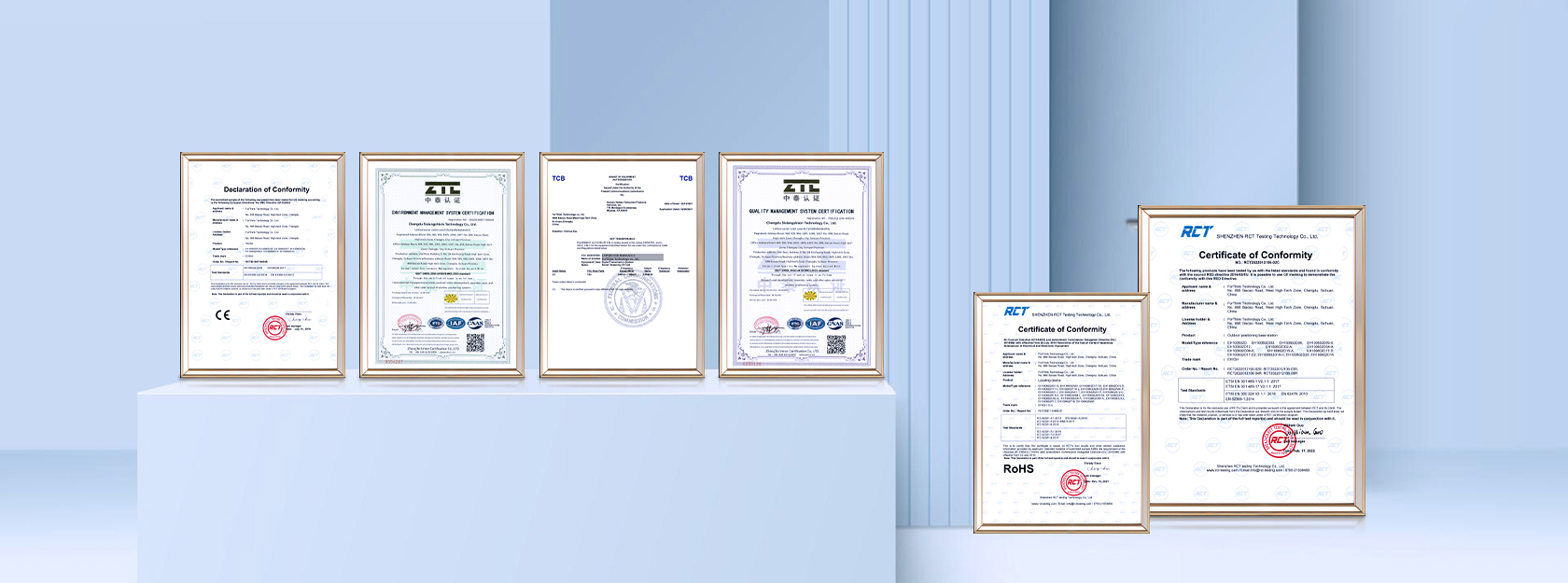
Our products and services are deployed in many countries and regions, powering model projects for industry leaders.









Explore our full range of positioning hardware, analyzers, and base stations engineered for industrial WIP tracking.